
It would be amazing if all you needed to prep your home for fall was hang a wreath and light a bunch of pumpkin spice candles. While yes, those are a crucial part of getting ready for the change of seasons, there are more important (and not exactly fun) preparations that come with being a homeowner.
Consider everything you need to know before your house transitions from warm summer days to cool nights to freezing temperatures.
1. Clean, or possibly replace, your gutters.
Real talk: You’re so used to your gutters working properly — and draining gallons of water from your roof yearly — that you forget they could use a little TLC. If they’re clogged, you can end up with a flooded interior and damaged exterior. So clean them, and if necessary, replace them. A little prevention can save you headaches and money.
2. Check for drafts.
Heat loss through windows is responsible for 25-30 percent of heating energy use, according to the U.S. Department of Energy. But it doesn’t have to be that way, because weatherstripping is simple and probably the most cost-effective way to keep heating costs down.
Pro tip: To check if you have a draft issue, close a door or window on a strip of paper. If the paper slides easily, you need to update your weatherstripping.
3. Drain your outdoor faucets.
Say it with me now: “I will turn off all outdoor faucets before winter!” This step is absolutely crucial for protecting your home’s plumbing system from the harsh effects of freezing temperatures. As the weather turns colder, any water left in your outdoor pipes or hoses can easily freeze. When water freezes, it expands, which can cause pipes to crack or even burst. This kind of damage can lead to expensive repairs, water damage inside your home, and a lot of unnecessary stress.
To properly drain your outdoor faucets, start by shutting off the water supply to the exterior spigots from inside your home. Next, open the outdoor faucet to let any remaining water drain out. Don’t forget to disconnect all garden hoses and store them indoors for the winter. Leaving hoses attached can trap water in the faucet, increasing the risk of freezing and bursting. If you want to go the extra mile, consider installing insulated faucet covers for additional protection. These covers are inexpensive and can be found at most hardware stores. By taking these steps, you’ll help ensure your plumbing survives the winter unscathed, saving you money and hassle come springtime.
Not doing this can result in pipes bursting, so yeah, do this. A burst pipe is more than just a minor inconvenience—it can cause significant water damage to your basement or crawl space, ruin insulation, and even create the perfect environment for mold growth. The small amount of time it takes to drain your outdoor faucets is well worth the peace of mind you’ll gain knowing your home is protected from winter’s worst.
4. Bring your outdoor furniture in.
Yes, your furniture is outdoor furniture. No, that does not mean you should test the label by leaving it outside through freezing weather and snow drifts. Even the most durable patio sets and weather-resistant cushions can suffer from months of exposure to snow, ice, and freezing temperatures. Moisture can seep into cushions and frames, causing mildew, rust, or even cracking as the materials expand and contract with temperature changes.
It costs you money and time to set that outdoor space up, so if you want to get another summer season out of it, store it in a garage or shed. Before storing, clean your furniture thoroughly to remove dirt, pollen, or food residue that might attract pests or cause staining. If you don’t have indoor storage space, invest in high-quality, waterproof covers that fit snugly over your tables, chairs, and lounges. Make sure to secure the covers tightly so they don’t blow away in winter storms. For smaller items like cushions, umbrellas, or rugs, bring them inside to prevent fading, mold, or animal damage.
If you don’t have anywhere to store the items, cover it with waterproof covers. Remember, proper storage not only extends the life of your outdoor furniture but also saves you money in the long run by reducing the need for repairs or replacements. Plus, you’ll be able to set up your patio or deck quickly when warm weather returns, without having to clean off months of grime or deal with unexpected damage.
5. Fix any cracks in your driveway.
I know, I know — this seems tedious and is one of those things where you’re like, “eh, it’ll be fine!”. But, it could very easily not be fine. When water gets into cracks it freezes, expands, and can make the crack even bigger. Enough small cracks can turn into big cracks, and eventually, the concrete will crumble. Plus, you’d probably prefer a driveway without a giant pothole.
So, use a concrete crack sealer, fill it up and be done with it. Start by cleaning out the cracks with a wire brush or pressure washer to remove debris and loose concrete. Once the area is dry, fill the cracks with a high-quality concrete crack filler or sealer, following the manufacturer’s instructions. For larger cracks or potholes, you may need to use a patching compound or cold asphalt patch for asphalt driveways. Smoothing out these imperfections before winter sets in will prevent further damage caused by freeze-thaw cycles and help maintain your home’s curb appeal.
Regular maintenance also reduces the risk of tripping hazards and makes snow removal easier and safer. If you live in an area where de-icing salts are used, sealing your driveway can also help prevent salt from seeping into cracks and causing additional deterioration. Taking care of your driveway now means you’ll avoid more costly repairs in the future and enjoy a smoother, safer surface all year round.
6. Change your filters
Ouch! Another thing in your house that might be costing you more money than it should be. If your filters are clogged, it’s harder to keep your home at the temperature you want it to be, which will increase your heating bills. Clean these filters monthly, not just before the fall, and thank me later.
Furnace filters, air conditioner filters, and even vent filters all play a crucial role in maintaining your home’s air quality and energy efficiency. Dirty or clogged filters restrict airflow, making your HVAC system work harder to heat or cool your home. This not only drives up your utility bills but can also shorten the lifespan of your equipment and reduce indoor air quality, leading to more dust, allergens, and respiratory issues.
FYI: Disposable filters can be vacuumed one time before you replace it, and foam filters can just be vacuumed and not replaced. For best results, check your filters monthly and replace or clean them as needed. If you have pets, allergies, or live in a dusty area, you may need to change filters more frequently. Don’t forget to check filters in other appliances, too, like range hoods, bathroom fans, and air purifiers. Keeping all your filters clean ensures your home stays comfortable and your appliances run efficiently all winter long.
7. Fertilize your lawn.
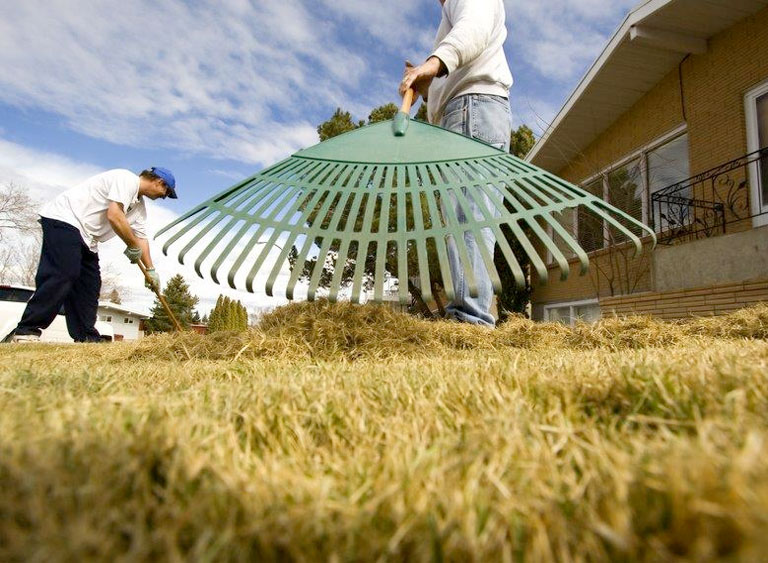
You know what they say: The best offense is a good defense. If you want to keep your lawn looking great in the spring and summer, you need to prep it for the fall and winter. Roots are still active when the grass isn’t growing, so applying fertilizer will prevent winter damage. Doing this will also help your lawn turn green faster in the spring, which is crucial, because who wants to look at a sad lawn once it gets nice out?
Choose a fertilizer specifically formulated for fall application—these typically have a higher potassium content to help strengthen roots and improve cold tolerance. Apply the fertilizer evenly across your lawn, following the recommended rates on the packaging. Water your lawn after fertilizing to help the nutrients soak into the soil and reach the root zone. In addition to fertilizing, consider aerating your lawn to relieve soil compaction and improve nutrient absorption. Remove fallen leaves regularly to prevent them from smothering the grass and creating bare spots.
A healthy, well-fertilized lawn is better equipped to handle the stresses of winter, including freezing temperatures, snow cover, and foot traffic. Come spring, you’ll be rewarded with lush, green grass that recovers quickly from winter dormancy and resists weeds, pests, and diseases. Investing a little time in lawn care now pays off with a beautiful, resilient yard you can enjoy all season long.
LEARN MORE ABOUT WINTERIZING YOUR HOME

8. Test winter equipment.
Hi, I’m here from the future, where your snow blower isn’t working and you’re stuck inside and can’t get your car out to buy a new one. Seriously, just check it all now, and make your life easier later.
9. Change your batteries.
Once a year you should be checking to make sure all smoke detectors and carbon monoxide devices are working. Since you’re already testing everything else out, you might as well add this on.
Hope this helps and adds something to your fall/winter checklist. Feel free to contact us for all your home and property services.
Be Happy Property Services provides residential and commercial properties in Anchorage and our surrounding areas with dependable, licensed, insured, and bonded services. One call, we do it all! 907-336-7434.
FAQ
Why is a deep fall clean just as important as spring cleaning?
A thorough fall clean isn’t just about aesthetics—it helps maximize the limited daylight by keeping windows and surfaces clear, reduces allergens, and creates a cozy, healthy environment as you spend more time indoors during the colder months. Neglecting this can lead to a buildup of grime and pollutants that affect both your mood and well-being as the days get shorter.
What’s the hidden risk of skipping gutter and roof maintenance before fall?
Clogged gutters and unchecked roofs can cause water to back up and leak into your home during autumn rains or early snow, potentially resulting in costly water damage, mold, and even structural issues. Taking time to clear debris and inspect for loose shingles now can prevent expensive repairs later.
How can preparing your heating system early impact your comfort and wallet?
Scheduling a professional HVAC inspection and replacing air filters before fall ensures your heating system runs efficiently, keeps energy bills in check, and reduces the risk of a breakdown during the first cold snap. Sealing gaps in windows and doors also helps retain heat, making your home more comfortable and energy-efficient.
In what ways does decluttering and organizing for fall go beyond just tidying up?
Decluttering before fall isn’t simply about neatness—it’s an opportunity to transition your home for the season, make space for cozy essentials, and ensure that emergency supplies are accessible. Organizing closets, pantries, and living areas helps you prepare for unexpected weather and makes your home feel welcoming as you settle in for the colder months.
Why should you review home safety and emergency preparedness as part of fall prep?
Fall is a strategic time to assess your home’s safety features—like smoke detectors, carbon monoxide alarms, and emergency kits—because winter storms and power outages are more common in the coming months. Reviewing your safety plan, removing hazards, and restocking emergency supplies can make all the difference in a crisis, providing peace of mind for you and your family.

Jacob Bishop is the founder and CEO of Be Happy Property Services. With a strong background in property management and customer service, Jacob has dedicated himself to creating a company that prioritizes client satisfaction and seamless property experiences. His extensive knowledge and hands-on approach have earned him a reputation for excellence in the industry. Jacob’s passion for real estate and commitment to happy living spaces make him a trusted leader in property services.