
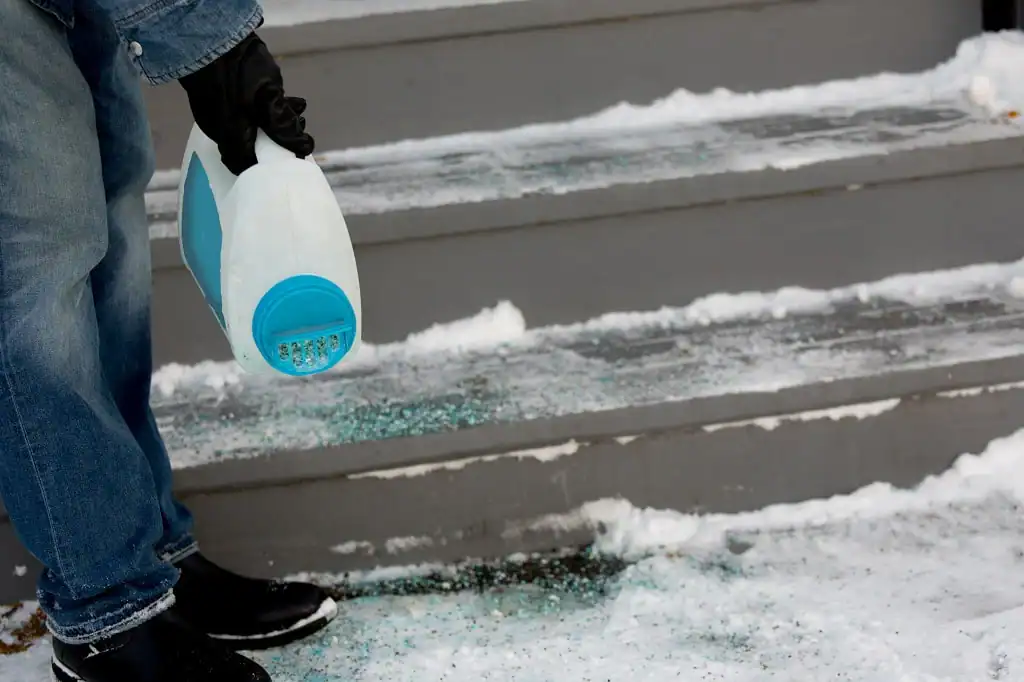
As winter arrives with its icy grip, keeping pathways, driveways, and public spaces safe becomes a top priority for homeowners, businesses, and municipalities alike. De-icers—substances designed to melt snow and ice—are widely used to combat hazardous conditions. But while their benefits are clear, de-icers also come with notable risks and environmental considerations. This comprehensive guide explores the advantages, drawbacks, environmental impacts, types of de-icers, cost factors, sustainable alternatives, and best practices for winter safety. By understanding the full spectrum of de-icer use, you can make informed decisions to protect both people and the environment.
Understanding De-Icers: How They Work
De-icers function by lowering the freezing point of water, preventing ice from bonding to surfaces and making it easier to remove with shovels or plows. Most chemical de-icers are salts—such as sodium chloride (rock salt), calcium chloride, magnesium chloride, and potassium chloride—that dissolve in water and disrupt ice formation. Some newer products use acetates or organic compounds for a more environmentally friendly approach.
The Science Behind De-Icing
De-icers work through a process known as freezing point depression, where they dissolve in water to form a brine that lowers the freezing point below 32°F (0°C). This turns ice into slush that can be easily cleared. By preventing ice from bonding to surfaces, de-icers also reduce the formation of hard-packed ice, making removal safer and more efficient. There are various types of de-icers, ranging from traditional salts to liquid pretreatments, acetates, and eco-friendly blends. Each type has unique melting temperatures, effectiveness, and environmental profiles.
The Benefits of De-Icer Application
Enhanced Safety
Slip-and-fall prevention is a major benefit of de-icer use. Icy walkways and driveways are a leading cause of winter injuries, and de-icers significantly reduce the risk of slips, trips, and falls, which account for over a million emergency room visits annually in the U.S. By keeping surfaces clear, de-icers ensure that homes, businesses, and public spaces remain accessible to all, including the elderly and disabled.
Time and Labor Efficiency
De-icers allow for quick action, as quality products can break down ice rapidly, enabling faster snow and ice removal. Liquid de-icers, in particular, act quickly and can prevent ice from bonding to pavement, reducing the need for repeated shoveling or plowing. With effective de-icing, the physical strain and time commitment for snow removal are greatly diminished, benefiting homeowners, property managers, and maintenance crews alike.
Infrastructure Protection
De-icers help prevent damage by mitigating freeze-thaw cycles that can cause cracks and erosion in pavement, steps, and other structures. This extends the life of property surfaces. By reducing the need for frequent repairs and replacements, de-icers can also be a cost-effective element of winter property maintenance, especially when purchased in bulk or used judiciously.
Business and Liability Considerations
For businesses, keeping walkways and parking lots clear of ice is essential to avoid lawsuits and insurance claims related to slip-and-fall accidents. De-icers also help keep commercial and public spaces open and functional during winter storms, minimizing disruptions to daily life and commerce.
The Risks and Drawbacks of De-Icer Use
Environmental Impact
Most conventional de-icers, especially those containing high concentrations of salt, can alter soil composition, disrupt pH levels, and dehydrate plants, leading to stunted growth, leaf burn, and even plant death. Runoff from de-iced surfaces can carry chemicals into storm drains, rivers, lakes, and groundwater, harming aquatic life and degrading water quality. Excessive salt can also change soil structure, especially in clay soils, making them less able to support plant life over time.
Infrastructure and Surface Damage
Chloride-based de-icers can corrode metal railings, vehicles, bridges, and other infrastructure, leading to costly repairs. Overuse of de-icers can shorten the lifespan of concrete and asphalt surfaces, causing spalling, cracking, and the need for premature replacement. Some de-icers leave behind residues that require additional cleaning, especially indoors where tracked-in chemicals can damage floors and carpets.
Risks to Wildlife and Pets
Many de-icers are harmful to pets and wildlife. Animals may ingest salt or lick treated surfaces, leading to gastrointestinal distress or worse. Salt on roads can also attract wildlife, increasing the risk of vehicle collisions.
Cost Considerations
High-quality or specialty de-icers can be significantly more expensive than basic rock salt, especially for large properties or frequent applications. Environmental damage, infrastructure repairs, and landscape restoration can add up over time, offsetting any initial savings from cheaper de-icing products.
Types of De-Icers: Comparing Options
There are several types of de-icers, each with distinct characteristics. Sodium chloride, commonly known as rock salt, is inexpensive and widely available, melting ice down to about 12°F. However, it is highly corrosive and harmful to plants and water sources, making its environmental impact high. Calcium chloride is effective at much lower temperatures, down to -25°F, and acts quickly, but it can be slippery, corrosive, and may leave residue, resulting in a moderate environmental impact. Magnesium chloride is less corrosive than other salts and works well at low temperatures, but it still poses some risk to plants and infrastructure, with a moderate environmental impact. Potassium chloride is less toxic to plants than sodium chloride and melts ice at around 20°F, but it is more expensive and less effective at very low temperatures, with a moderate environmental impact. Calcium magnesium acetate (CMA) is biodegradable, non-corrosive, and causes minimal damage to plants and concrete, making it a preferred choice for environmentally conscious users, though it is expensive and less effective at very low temperatures, resulting in a low environmental impact. Urea is low in corrosiveness but can contribute to water pollution through nitrates and is less effective than other options, with a moderate to high environmental impact. Beet juice mixes are biodegradable, reduce salt use, and are pet-friendly, but they can be sticky and may stain surfaces; their environmental impact is low. Sand and grit do not melt ice but provide traction without chemical runoff, requiring cleanup afterward, and have a very low environmental impact.
Environmental Considerations and Sustainable Alternatives
The Problem with Conventional De-Icers
Traditional de-icers, especially those based on sodium and calcium chloride, are not biodegradable. They can accumulate in the environment and persist in soil and water for years. Chloride ions are particularly mobile, moving easily through soil and into groundwater, where they can disrupt ecosystems and drinking water supplies.
Eco-Friendly De-Icing Solutions
Calcium magnesium acetate (CMA) is biodegradable, non-corrosive, and much gentler on plants, animals, and concrete than traditional salts. While more expensive, it is considered the best choice for environmentally conscious de-icing. Beet juice mixes, when combined with brine or salt, lower the freezing point and reduce the amount of salt needed. These mixes are gentle on plants and pets and are biodegradable. Sand, grit, and coffee grounds provide traction rather than melting ice and have no negative chemical impact, though they should be used sparingly to avoid drainage issues. Many companies now offer eco-safe commercial products labeled as biodegradable, pet-safe, and plant-friendly, often containing magnesium chloride or plant-based ingredients. Homemade mixes, such as vinegar, salt, and water, can provide temporary relief from ice without harsh chemicals, though their effectiveness is limited.
Best Practices for Minimizing Environmental Impact
To minimize environmental impact, always use mechanical removal first—shovel or plow snow before applying de-icer. Apply de-icer sparingly and strategically, focusing on high-traffic areas and using the minimum effective amount, as overapplication does not speed melting and increases environmental harm. Avoid applying de-icer directly to lawns, gardens, or near storm drains and waterways. After treatment, remove slush and excess product to prevent refreezing and reduce runoff. Monitor for signs of plant stress and soil degradation in spring, and adjust de-icer use accordingly.
Cost Analysis: Immediate and Long-Term
Immediate Costs
Rock salt is the cheapest de-icer, but it is less effective at low temperatures. Specialty products like CMA or beet juice blends cost more upfront. Buying in bulk can reduce per-unit costs for property owners with large areas to treat.
Long-Term Costs
Overuse of corrosive de-icers can lead to expensive repairs to concrete, asphalt, metal railings, and vehicles. Replacing damaged plants, soil, and turf can be costly and time-consuming. In areas where de-icer runoff has contaminated water supplies, cleanup and mitigation costs can be substantial.
Making Informed Decisions: Strategies for Responsible De-Icer Use
Sustainable Practices
Choose eco-friendly products such as CMA, beet juice blends, or other biodegradable de-icers when possible. Mixing de-icer with sand or grit can reduce the amount of chemical needed while maintaining traction and safety. Use shovels or snow blowers to clear as much snow and ice as possible before applying any chemical treatments.
Strategic Application
Apply de-icer only where necessary, such as walkways, steps, and entrances. Monitor weather and surface conditions, applying de-icer as soon as snow begins to accumulate or using anti-icers before storms to prevent ice bonding. Avoid using de-icers on concrete less than one year old to prevent surface damage. Rinse surfaces in spring to remove salt residue and consider resealing concrete to protect against future damage.
Innovations and Future Trends in De-Icing
Newer de-icers using potassium formate or formic acid derivatives melt ice rapidly, leave no residue, and are less corrosive than traditional salts. Sensors and automated systems can optimize de-icer use, reducing waste and environmental impact. Municipalities are increasingly adopting best management practices and public education to encourage responsible de-icer use and protect watersheds.
Conclusion: Balancing Safety, Cost, and Environmental Responsibility
The decision to use de-icer on your property is a balancing act between ensuring safety, managing costs, and protecting the environment. While de-icers are highly effective at preventing slips and maintaining accessibility, their overuse or misuse can have lasting negative effects on plants, water quality, infrastructure, and wildlife. By choosing eco-friendly products, applying them strategically, and combining chemical and non-chemical methods, you can keep your property safe while minimizing harm.
Share your experiences or questions in the comments below. Your engagement helps us all stay informed and proactive in adopting safe, sustainable winter maintenance practices.
Be Happy Property Services specializes in providing safe and effective winter maintenance solutions, ensuring your outdoor spaces remain hazard-free. Contact us for professional advice and services to maintain safety throughout the winter season.
Frequently Asked Questions (FAQ)
1. What is the safest de-icer for pets and plants?
Calcium magnesium acetate (CMA) and beet juice blends are considered among the safest options for both pets and plants, as they are biodegradable and less toxic than traditional salts.
2. How can I minimize environmental damage when using de-icers?
Use mechanical snow removal first, apply de-icer sparingly and only on high-traffic areas, avoid application near vegetation and waterways, and choose eco-friendly products whenever possible.
3. Are there effective non-chemical alternatives to de-icers?
Sand, grit, coffee grounds, and kitty litter provide traction on icy surfaces without melting ice or causing chemical runoff. These are especially useful for environmentally sensitive areas.
4. Can de-icers damage my driveway or sidewalk?
Yes, overuse of chloride-based de-icers can cause spalling, cracking, and surface degradation in concrete and asphalt. Use de-icers sparingly and consider resealing surfaces annually to protect them.
5. When is the best time to apply de-icer?
Apply de-icer as soon as snow begins to accumulate or ice starts to form. For anti-icers, apply before a winter storm to prevent ice from bonding to surfaces.

Jacob Bishop is the founder and CEO of Be Happy Property Services. With a strong background in property management and customer service, Jacob has dedicated himself to creating a company that prioritizes client satisfaction and seamless property experiences. His extensive knowledge and hands-on approach have earned him a reputation for excellence in the industry. Jacob’s passion for real estate and commitment to happy living spaces make him a trusted leader in property services.