A healthy lawn isn’t just about mowing and watering—it’s about understanding the unique needs of your grass throughout the year. Each season demands specific attention to keep your yard vibrant and resilient. From the first signs of spring to the coldest days of winter, this guide walks you through essential steps to nurture your lawn, ensuring it stays lush, green, and strong no matter the weather.
Spring: Reviving Your Lawn After Winter
Spring is the time to wake up your lawn from its winter slumber and set the stage for a year of growth.
-
Debris Removal and Damage Assessment
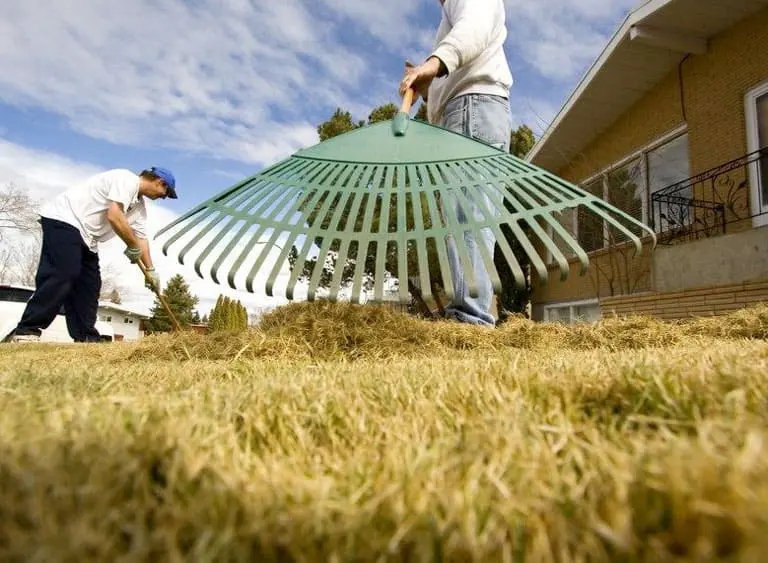
Begin by clearing away leftover branches, leaves, and dead grass. This not only makes your yard look tidy but also lets sunlight reach the soil, stimulating new growth. Check for any damage caused by frost or snow, and remove dead patches. Conducting a soil test will help you understand your lawn’s pH and nutrient needs, guiding your spring fertilization and seeding efforts. -
Aeration for Healthy Roots
Aeration is especially beneficial for lawns with compacted soil or those subjected to heavy foot traffic. By creating small holes in the soil, you allow air, water, and nutrients to reach the roots, encouraging deeper root development and overall lawn vitality. -
Fertilization and Overseeding
After aerating, apply a balanced fertilizer to give your lawn the nutrients it needs for robust growth. Overseed any thin or bare areas with grass seed suited to your region’s climate for a fuller, more even lawn. -
Early Weed Prevention
Use a pre-emergent herbicide to stop weeds before they sprout. This proactive step helps prevent weed infestations later in the season. Always follow the product instructions for safe and effective use.
Summer: Protecting Your Lawn from Heat and Stress
Summer’s heat and increased activity can put a strain on your lawn, but with careful maintenance, it can stay vibrant and healthy.
-
Smart Watering Techniques
Water your lawn deeply but infrequently, aiming for about an inch of water per week, including rainfall. Early morning watering is best, as it reduces evaporation and lowers the risk of fungal diseases. Avoid watering in the evening, as prolonged moisture can encourage disease. -
Mowing Best Practices
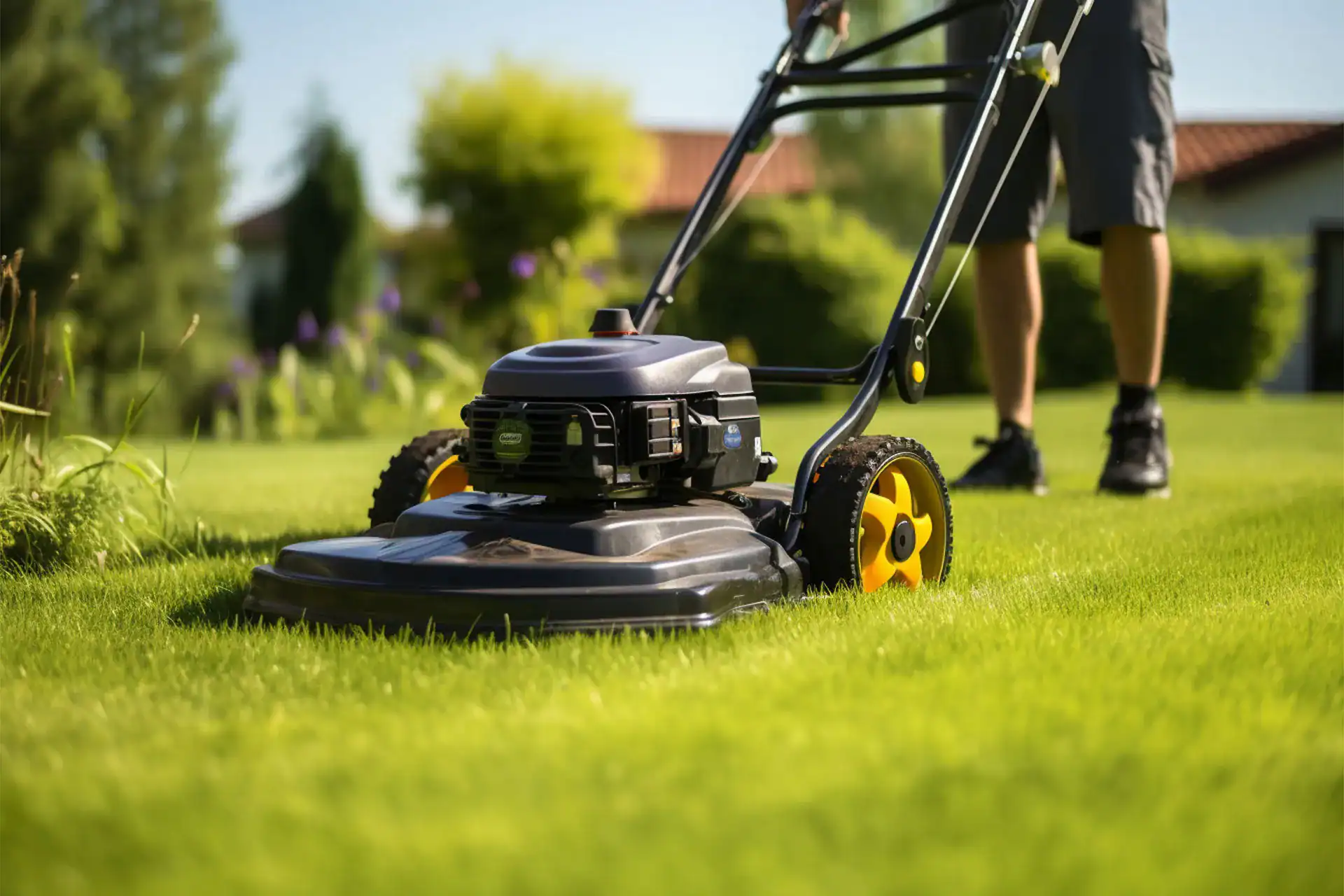
Keep your mower blades set high during summer to leave grass slightly longer. This helps shade the soil, retain moisture, and reduce stress on the grass. Never cut more than one-third of the grass height at a time to avoid shock. -
Pest and Disease Monitoring
Regularly inspect your lawn for signs of pests or diseases, such as brown or yellow patches. Treat as needed with natural or chemical solutions, following instructions carefully to avoid harming your lawn.
Fall: Preparing for Winter Dormancy
Fall is the perfect time to prepare your lawn for the dormant winter months and set it up for a strong spring recovery.
-
Leaf and Debris Removal
Rake and remove fallen leaves regularly to prevent them from suffocating the grass and promoting fungal growth. Clearing debris keeps your lawn healthy and disease-free. -
Winterizing Fertilization
Apply a high-potassium fertilizer in the fall to strengthen grass roots and improve cold resilience. This “winterizing” step ensures your lawn has the nutrients needed to survive winter. -
Overseeding for Density
Cooler temperatures and increased rainfall make fall ideal for overseeding. This leads to a denser, more robust lawn in the spring. -
Weed Control
Spot treat any remaining weeds with a post-emergent herbicide to prevent them from spreading and going to seed.
Winter: Protecting Your Lawn During Dormancy
Even during its dormant phase, your lawn needs some care to stay healthy and ready for spring.
-
Minimize Foot Traffic
Avoid walking on your lawn during winter, especially when covered in snow or frost. Compacted soil can damage grass and hinder recovery in spring. -
Snow and Ice Management
Be careful when shoveling snow or clearing ice. Piling snow on your lawn can cause compaction and damage. -
Limit Salt Use
Use de-icing salts sparingly, as they can harm your lawn. Consider using sand or other alternatives for traction without damaging the grass.
Year-Round Lawn Care: Building a Lasting Routine
Consistent care is the key to a beautiful lawn. By following these seasonal tips, you’ll ensure your grass remains healthy, vibrant, and resilient throughout the year. Embrace the natural rhythm of the seasons and give your lawn the attention it deserves. With these strategies, you’ll be ready to tackle any seasonal challenge and enjoy a stunning lawn every month.
Frequently Asked Questions
1. When is the best time to aerate my lawn?
The best time to aerate is in spring or early fall, especially for lawns with heavy clay soil or those exposed to frequent foot traffic. Aerating during these periods helps air, water, and nutrients reach the roots, promoting deeper growth and overall health. Avoid aerating during extreme heat or drought, as it can stress the grass.
2. How much water does my lawn need in summer?
Aim to give your lawn about an inch of water per week, including rainfall. Watering deeply and infrequently is best, and early morning is the ideal time to minimize evaporation and reduce disease risk. Avoid watering in the evening, as prolonged moisture can encourage fungal growth.
3. What kind of fertilizer should I use in fall?
Use a fertilizer high in potassium in the fall to strengthen grass roots and improve cold resilience. This “winterizing” fertilizer helps your lawn survive the winter and prepares it for a healthy spring comeback. Follow the manufacturer’s instructions for application rates and timing.
4. How can I stop weeds from taking over my lawn?
Prevent weeds by using a pre-emergent herbicide in spring and a post-emergent herbicide in fall. Regular mowing, overseeding, and proper fertilization also help create a dense lawn that naturally resists weed invasion. Always follow product instructions for safe and effective use.
5. How do I protect my lawn from salt damage in winter?
Minimize salt use and consider alternatives like sand for traction. Rinse salt off grass as soon as possible after application, and water the area thoroughly in spring to flush out residual salt. This helps prevent long-term damage and promotes healthy grass recovery.
Be Happy Property Services excels in providing comprehensive lawn care to keep your outdoor space thriving. Ready to enhance your lawn’s beauty and health in every season? Contact Be Happy Property Services today for a consultation and expert guidance.

Jacob Bishop is the founder and CEO of Be Happy Property Services. With a strong background in property management and customer service, Jacob has dedicated himself to creating a company that prioritizes client satisfaction and seamless property experiences. His extensive knowledge and hands-on approach have earned him a reputation for excellence in the industry. Jacob’s passion for real estate and commitment to happy living spaces make him a trusted leader in property services.