A vibrant, green lawn is a hallmark of a well-maintained home, but the summer months can pose significant threats to its beauty and health. Rising temperatures, humidity, and frequent watering create the ideal environment for fungal diseases to flourish. Without proper care, your yard could quickly become a breeding ground for infections that weaken grass and leave unsightly patches. Fortunately, with the right knowledge and lawn care habits, most summer lawn diseases can be prevented or managed effectively. In this guide, Be Happy Property Services provides in-depth insights into the most common summer lawn diseases, their symptoms, and actionable prevention tips to help you keep your lawn lush and healthy all season long.
1. Brown Patch: The Circular Killer
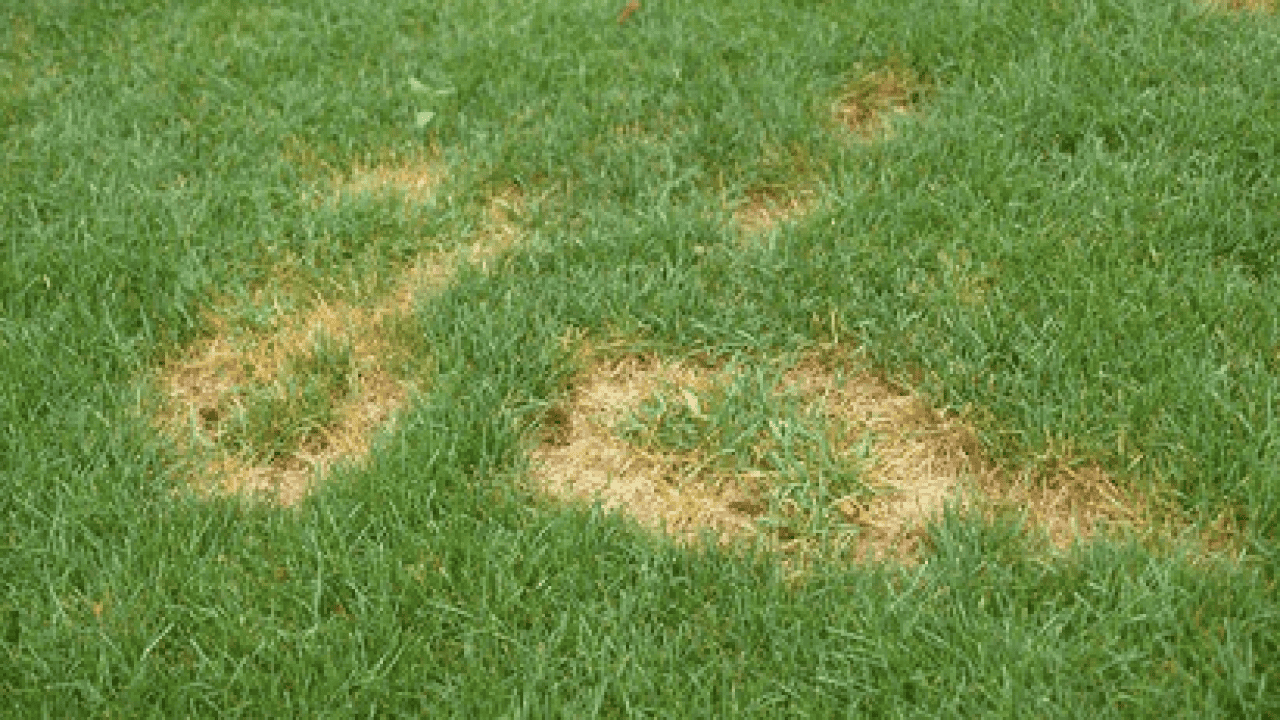
Brown Patch is a notorious summer lawn disease caused by the fungus Rhizoctonia solani. It tends to appear when nighttime temperatures exceed 65°F and daytime highs soar above 85°F, especially in lawns with excessive moisture.
What to Look For
-
Large, circular patches of dead grass, ranging from 6 inches to several feet in diameter.
-
The edges of the patches may appear water-soaked or have a distinctive “smoke ring” look.
How to Prevent Brown Patch
-
Water your lawn in the early morning to allow the grass to dry before nightfall.
-
Aerate and dethatch your lawn regularly to reduce thatch buildup and improve airflow.
-
Use a balanced fertilizer and avoid over-applying nitrogen, which can make your lawn more susceptible.
-
If your lawn has a history of Brown Patch, consider applying a targeted fungicide.
2. Dollar Spot: The Silver-Dollar Scourge
Dollar Spot, caused by Clarireedia jacksonii, is named for the small, silver-dollar-sized patches it creates. This disease is especially common in lawns that are low in nitrogen and thrive in warm, humid weather.
What to Look For
-
Small, circular patches of dead grass, about the size of a silver dollar.
-
Patches may merge into larger, irregular areas.
-
Grass blades often develop straw-colored lesions with reddish-brown borders.
How to Prevent Dollar Spot
-
Maintain proper nitrogen levels with a regular fertilization schedule.
-
Water deeply and infrequently to discourage fungal growth.
-
Keep mower blades sharp and avoid cutting the grass too short, as stressed grass is more vulnerable.
-
Use a fungicide if Dollar Spot becomes a recurring problem.
3. Summer Patch: The Root Attacker
Summer Patch is caused by the fungus Magnaporthe poae and primarily affects Kentucky bluegrass, annual bluegrass, and fine fescues. It thrives in hot, humid conditions and compacted soil with poor drainage.
What to Look For
-
Circular patches of dead or dying grass, 6 inches to 3 feet in diameter.
-
The center of the patch may remain green, creating a “frog-eye” pattern.
-
Roots often become dark and rotted.
How to Prevent Summer Patch
-
Aerate your lawn regularly to relieve soil compaction and improve drainage.
-
Keep Kentucky bluegrass at a mowing height of 2.5 to 3 inches.
-
Water deeply and infrequently, aiming for about 1 inch per week.
-
Apply a preventive fungicide in late spring if your lawn is prone to Summer Patch.
4. Pythium Blight: The Fast-Spreading Menace
Pythium Blight, also known as “grease spot,” is a severe and fast-spreading disease affecting cool-season grasses like tall fescue, bentgrass, and perennial ryegrass.
What to Look For
-
Small, water-soaked, greasy-looking spots that quickly enlarge.
-
Grass blades become matted and develop grayish-white, cotton-like mold.
-
Patches of dead grass merge into large, irregularly shaped areas.
How to Prevent Pythium Blight
-
Improve air circulation and water drainage by aerating and dethatching.
-
Water in the early morning to allow the grass to dry out during the day.
-
Avoid over-fertilizing, especially during hot weather.
-
Use a fungicide designed for Pythium Blight if it recurs.
5. Rust Disease: The Color-Changer
Rust Disease is a fungal infection that gives grass a yellow-orange tint, caused by fungi like Puccinia and Uromyces. It appears in lawns under stress, especially those not properly watered or fertilized.
What to Look For
-
Grass blades develop yellow, orange, or reddish-brown pustules.
-
The lawn may appear thin and weak, with slow growth.
-
Walking on infected grass leaves orange or yellow dust on shoes.
How to Prevent Rust Disease
-
Follow a regular fertilization schedule, especially if growth is slow.
-
Mow regularly to maintain proper grass height and reduce stress.
-
Water deeply and infrequently to promote strong root systems.
-
Increase air circulation by pruning trees and shrubs.
-
Use a fungicide for severe rust infections if cultural practices are insufficient.
FAQ
1. How can I distinguish between disease-related brown patches and those caused by drought or heat?
Brown patches can be tricky to diagnose. While drought and heat stress often result in uniformly dry, brown areas, diseases like Brown Patch and Dollar Spot create distinct circular patches. Brown Patch usually has tan centers with dark borders, while Dollar Spot forms small, bleached spots about the size of a silver dollar, often with reddish-brown margins on the blades. If the grass pulls up easily and the roots are dark and rotted, it’s likely a disease such as Summer Patch rather than environmental stress.
2. Why do summer lawn diseases seem to appear overnight, even if I’m careful about watering?
Many summer lawn diseases, such as Pythium Blight, thrive in warm, humid conditions and can spread rapidly—sometimes overnight—especially if lawns are overwatered or watered late in the day. Fungi thrive when moisture lingers on grass blades, so watering in the early morning is crucial. Deep, infrequent watering encourages strong root growth and reduces the moisture fungi need to spread.
3. How do mowing practices impact my lawn’s vulnerability to summer diseases?
Mowing plays a significant role in lawn health. Cutting grass too short, known as “scalping,” weakens the turf and exposes it to infections like Summer Patch. Dull mower blades can tear grass, creating entry points for pathogens. Always mow at the recommended height for your grass type and keep blades sharp to minimize damage and disease risk.
4. Does fertilization help or hurt my lawn’s resistance to summer diseases?
Fertilization is a double-edged sword. Excessive nitrogen promotes lush, tender growth that’s highly susceptible to diseases like Brown Patch, while too little leaves grass weak and unable to recover from infections. Use a balanced fertilizer based on a soil test, and avoid heavy nitrogen applications during peak summer heat to keep your lawn resilient.
5. What are some creative, non-chemical ways to prevent summer lawn diseases?
Beyond fungicides, prevention starts with cultural practices: aerate your lawn to relieve soil compaction and improve drainage, which reduces disease-friendly moisture. Avoid watering in the evening, and let the lawn dry out between waterings. Encourage biodiversity by mixing grass species—some are more disease-resistant than others. Regularly remove thatch, as it harbors pathogens, and consider overseeding with resistant varieties to outcompete disease-prone grasses.

Jacob Bishop is the founder and CEO of Be Happy Property Services. With a strong background in property management and customer service, Jacob has dedicated himself to creating a company that prioritizes client satisfaction and seamless property experiences. His extensive knowledge and hands-on approach have earned him a reputation for excellence in the industry. Jacob’s passion for real estate and commitment to happy living spaces make him a trusted leader in property services.