Most homeowners in Anchorage face challenges from persistent lawn fungus and invasive weeds that can damage the appearance and health of their property. By adopting smart landscaping techniques, you can enhance your lawn’s resilience and reduce these common problems. Proper soil management, strategic plant selection, and regular maintenance create an environment where weeds struggle to grow, and fungi have a reduced chance to thrive. With effective landscaping, you’ll not only protect your lawn but also promote a vibrant, healthy outdoor space that adds value to your home year-round.
Key Takeaways:
- Proper lawn care in Anchorage, including regular mowing, mulching, and timely weeding, helps reduce the spread of common weeds such as chickweed, buttercups, and creeping buttercups.
- Using natural methods, such as hoeing, hand-picking, and avoiding chemical sprays, supports a healthy lawn ecosystem and benefits pollinators by preserving plants like dandelions and clover.
- Incorporating nitrogen-fixing plants, such as clover, and managing invasive vines, like purple vetch, can improve soil health while effectively controlling unwanted weed growth.
The Role of Landscape Design in Fungal Prevention
Strategically designing your landscape can significantly reduce the risk of fungal infections in your lawn and garden. By incorporating proper plant spacing, improved soil drainage, and thoughtful layering, you limit moisture retention—a primary factor in fungal growth. Integrating mulch not only suppresses weeds like chickweed and buttercups but also regulates soil humidity. Selecting native or well-adapted plants that thrive in Anchorage’s unique climate further strengthens your lawn’s defense against fungal pathogens. Careful landscape planning helps you maintain a healthier, more resilient yard without relying on harsh chemicals.
Choosing Disease-Resistant Plant Varieties
Selecting plant varieties with inherent resistance to common fungal diseases minimizes future headaches in your yard. For example, some turfgrasses bred for Anchorage conditions resist snow mold and other local fungal threats. Perennials, such as certain native lupines and ornamental grasses, also exhibit reduced susceptibility. Disease-resistant plants require less intervention—meaning fewer sprays and less labor—and create a natural barrier against the spread of infections. Researching and investing in these varieties pays off by preserving the vigor of your landscape and reducing maintenance efforts.
Importance of Airflow and Sunlight in Plant Placement
Proper placement of plants to maximize airflow and sunlight significantly reduces fungal risks by minimizing leaf wetness and soil moisture. Spacing plants to allow breeze penetration helps dry dew and rain quickly. Placing sun-loving species where they receive full morning and afternoon sun prevents damp, shaded pockets where fungi thrive. Avoid crowding plants or planting in low-lying depressions that trap moisture. Designing with airflow and sunlight in mind keeps your landscape drier and less hospitable to disease.
Anchorage’s climate, characterized by cool, moist summers, creates ideal conditions for fungal growth if your plant arrangement doesn’t promote drying. Airflow moves moisture-laden air away from foliage, while sunlight raises the temperatures of leaves and soil, thereby curbing fungal spore germination. For example, situating tall perennials or shrubs so that they do not block sunlight or wind from lower-growing plants can reduce the incidence of powdery mildew or rust. You can also incorporate pathways or ornamental features that create breathing room. These small but deliberate design decisions lower your lawn’s vulnerability to persistent fungi and weeds alike.
Soil Health: The Foundation for a Weed-Free Lawn
Healthy soil acts as your lawn’s first line of defense against invasive weeds and fungus. In Anchorage’s unique climate, promoting a balanced soil ecosystem helps turfgrass thrive, naturally outcompeting unwanted plants. Well-structured soil improves drainage, reduces waterlogging that fosters fungal growth and supports beneficial microbes that enhance nutrient availability. By focusing on nurturing your soil’s vitality, you lay the groundwork for a resilient lawn that resists common issues without overreliance on chemicals.
Testing Soil pH and Nutrient Levels
Assessing your soil’s pH and nutrient levels provides targeted insights for effective lawn care. Anchorage soils often have a slightly acidic pH, with an ideal turfgrass pH range of 6.0 to 7.0. Testing kits or professional analyses reveal if lime or sulfur amendments are needed to adjust acidity. Additionally, nitrogen, phosphorus, and potassium levels inform fertilization plans that promote healthy grass growth without encouraging excessive weed growth. Consistent monitoring every 2-3 years ensures your soil stays balanced, preventing nutrient imbalances that favor the growth of stubborn weeds.
Organic Amendments That Promote Healthy Growth
Incorporate organic matter, such as compost, aged manure, or worm castings, to enhance soil structure and microbial activity, which is essential for a vigorous lawn. These amendments improve moisture retention and airflow, reducing conditions favorable to the fungus while supporting the grasses that crowd out weeds. Applying ¼ to ½ inch of quality compost annually rejuvenates your soil, enhances nutrient cycling, and promotes deep rooting, which strengthens your lawn’s natural defenses against invasive plants.
Delving deeper, organic amendments enrich soil biology by feeding beneficial microbes that convert organic materials into accessible nutrients, which is imperative for sustainable lawn health. Compost not only increases water-holding capacity in sandy or compacted Anchorage soils but also improves aggregation, which prevents crusting and surface runoff. Worm castings introduce enzymes and growth hormones, boosting seed germination and root development, and making turfgrass more competitive. Regular integration of these materials encourages a dynamic soil ecosystem that suppresses weeds, such as those found in butter and eggs. It limits fungal outbreaks caused by poor drainage or nutrient stress.
Smart Watering Practices to Deter Lawn Fungus
Maintaining the right balance of moisture in your Anchorage lawn can significantly reduce the risk of fungal infections. Watering deeply but infrequently encourages roots to grow stronger and prevents the damp conditions fungi thrive in. Adjust irrigation schedules based on weather and soil type to prevent standing water, which can create a favorable environment for disease. Using drip or soaker hoses instead of overhead sprinklers helps keep grass blades dry and less susceptible to fungal spores.
Timing and Techniques for Effective Irrigation
Early morning watering, ideally before 10 a.m., allows your lawn to absorb moisture while giving grass blades ample time to dry throughout the day. Avoid evening watering that leaves the grass wet overnight—this prolongs leaf wetness and increases the risk of fungal growth. Employing slow-release irrigation methods, such as drip lines, ensures that water penetrates deeply without over-saturating the surface, promoting healthier root growth and reducing surface moisture levels that are favorable to pathogens.
Impact of Overwatering on Fungal Growth
Overwatering creates persistently damp soil and foliage, forming an ideal breeding ground for fungi such as powdery mildew and dollar spot. Excess moisture inhibits oxygen flow to the roots, weakening the grass’s defenses and allowing pathogens to invade. Even native Alaskan grasses can succumb quickly in soggy conditions, where fungal spores germinate and spread rapidly.
Besides fostering fungal spores, overwatering damages root systems by promoting shallow roots, making your lawn more vulnerable to stress and disease. Saturated soils also attract pests that break down turf health. Studies have shown lawns watered more than twice a week can see a 30% increase in fungal disease incidence. Balancing irrigation to meet but not exceed your plants’ needs keeps moisture levels where beneficial microbes thrive and pathogens falter.
Mulching and Its Protective Benefits
Applying mulch creates a protective barrier that limits weed growth while shielding your lawn from harsh temperature swings common in Anchorage. Mulch reduces soil exposure to sunlight, hindering the germination of many invasive seeds, such as chickweed, buttercup, and dandelion. Additionally, it helps preserve soil moisture, which lowers lawn stress and the likelihood of fungus development. You can rely on mulching as an effective, low-maintenance method to suppress undesirable plants and support healthier turf and garden beds.
Types of Mulch That Prevent Weeds and Foster Growth
Organic mulches, such as shredded leaves, bark chips, and compost, not only smother weeds but also break down to enrich the nutrient content of your soil. For example, using leaf mulch can effectively smother butter and egg seedlings, while compost mulch enriches the soil, enhancing nitrogen availability after weeds like chickweed decay. Inorganic options, such as landscape fabric paired with wood chips, also block weed emergence. Perceiving the balance between weed suppression and soil health ensures you select mulch that fosters plant growth while reducing maintenance.
| Mulch Type | Benefits |
| Shredded Leaves | Suppresses weeds; adds organic matter; breaks down to feed the soil |
| Bark Chips | Long-lasting; blocks light to prevent weed seeds from germinating |
| Compost | Improves soil fertility; supports nitrogen availability after dead weeds decompose |
| Landscape Fabric | Inorganic barrier; highly effective in weed control when combined with mulch |
| Straw Mulch | Good for temporary cover; biodegradable and easy to apply |
How Mulching Affects Soil Moisture and Temperature
Mulching significantly balances soil moisture by reducing evaporation, which benefits drought-prone areas in Anchorage. It also moderates soil temperature fluctuations, warming soil in cold periods and cooling it during hot spells, creating an ideal environment for root development. This stabilization helps prevent stress-induced lawn diseases and fungal outbreaks. Mulch thickness matters—around 2-3 inches offers maximum moisture retention without suffocating soil. Recognizing these effects enables you to utilize mulching not only as a weed barrier but also as a vital component of soil health management.
| Effect | Impact on Lawn |
| Moisture Retention | Reduces evaporation; maintains consistent soil moisture levels |
| Temperature Regulation | Keeps soil warmer in cold and cooler in heat, reducing plant stress |
| Air Flow | Promotes oxygen availability; avoids root suffocation when mulch is the optimal thickness. |
| Soil Structure | Enhances organic matter; slows erosion and compaction |
| Fungus Prevention | Prevents waterlogged soil that favors fungal growth |
The Power of Early Weed Control Strategies
Catching weeds before they mature gives you a significant advantage in maintaining a healthy lawn. Dealing with shallow-rooted plants like chickweed or young butter and eggs early means you prevent seed production and underground spread. Regularly mowing, hoeing, or hand-pulling small infestations keeps them from overwhelming your landscape. Early intervention limits lasting damage and reduces the work needed later, preserving your lawn’s vitality and thwarting common Anchorage invaders like equisetum and creeping buttercup before they take hold.
Identifying Common Weeds in Anchorage
Your first step is recognizing species typical to the Anchorage area: equisetum with its feathery stalks, chickweed spreading quickly under light, and butter and eggs that propagate both by root and seed. Purple vetch vines can invade shaded corners, while dandelions and clover dominate many lawns. Spotting these early means you can target specific removal methods without damaging desirable plants around them.
Techniques for Manual Removal and Prevention
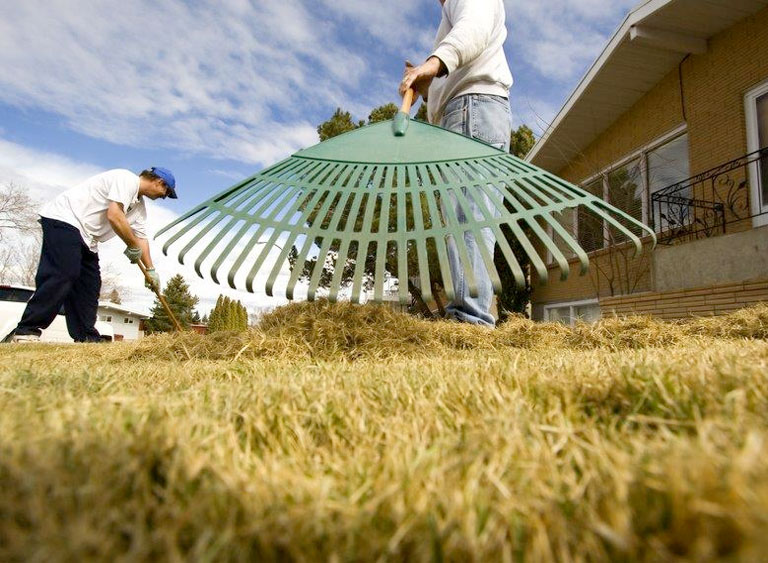
Manual removal remains one of the most effective methods for controlling young weeds in your lawn. Pull small plants, such as chickweed, before they flower and seed, making sure to extract the shallow roots completely. For spreading species such as buttercups and creeping buttercups, or for controlling species like buttercups, regular hoeing combined with mulching interrupts growth cycles and starves new shoots. Mowing and weed-eating can keep vigorous weeds like vetch from climbing into your flower beds, while a thatching rake helps remove creeping buttercup from the soil surface.
Dive deeper into removal methods by focusing on timing and technique. Pulling weeds is most effective before they flower; for example, chickweed can be pulled easily at its early stages and then left to serve as a nitrogen-rich mulch around your plants. Butter and eggs require persistent hoeing and mulching, as they spread underground as well as by seed. Early intervention when plants are small prevents costly repeat infestations. Using a weed-eater or mower on creeping vines like purple vetch limits their invasive growth without resorting to chemicals. Combining these strategies protects your lawn while enhancing soil health naturally.
Final Words
Presently, effective landscaping in Anchorage can significantly reduce the risk of lawn fungus and weed invasions on your property. By choosing the right grasses, maintaining proper drainage, and incorporating mulching practices, you create an environment less inviting to unwanted plants and diseases. Managing soil health and timely maintenance also help you keep your lawn resilient and vibrant. With thoughtful attention to these aspects, you take control of your outdoor space, ensuring it remains healthy and beautiful through every season.
FAQ
Q: How can proper landscaping in Anchorage reduce the chances of lawn fungus?
A: Landscaping that promotes good air circulation and sunlight exposure helps prevent the damp conditions that lawn fungus thrives in. By selecting appropriate plant spacing, improving soil drainage, and avoiding overwatering, homeowners in Anchorage can maintain a healthier lawn environment that discourages fungal growth. Incorporating mulch around garden beds also helps retain moisture at proper levels without creating excess dampness that fosters fungus.
Q: What landscaping techniques help control common weeds in Anchorage lawns and gardens?
A: Effective landscaping can reduce weed problems by using mulch and ground covers to block sunlight from reaching weed seeds, preventing their germination. Regularly maintaining garden beds by pulling shallow-rooted weeds early before they seed and using strategic plant placement to outcompete weeds also aids in control. Additionally, selecting native or well-adapted plants reduces bare soil patches, making it more difficult for invasive weeds to establish.
Q: Why is ongoing lawn and garden maintenance part of landscaping that prevents weeds and diseases in Anchorage?
A: Continuous care, such as mowing, hoeing, and timely weeding, prevents weeds from spreading their seeds and disrupting the desired plants. Keeping lawns at an appropriate height and removing flowering weeds helps limit the dispersal of seeds. Consistent maintenance also helps identify early signs of lawn diseases, allowing for prompt adjustments in watering or soil conditions, thereby reducing the likelihood of fungus and weed outbreaks.

Jacob Bishop is the founder and CEO of Be Happy Property Services. With a strong background in property management and customer service, Jacob has dedicated himself to creating a company that prioritizes client satisfaction and seamless property experiences. His extensive knowledge and hands-on approach have earned him a reputation for excellence in the industry. Jacob’s passion for real estate and commitment to happy living spaces make him a trusted leader in property services.