Anchorage’s rugged terrain and dynamic climate create unique landscaping challenges—but also offer incredible opportunities. By integrating retaining walls and rock gardens into your outdoor space, you not only solve common issues like erosion and drainage but also create a resilient, visually captivating landscape. These hardscape features add structure, texture, and year-round interest, making your yard a true extension of your home. With careful design, your Anchorage garden can thrive through harsh winters and short growing seasons, becoming a functional and beautiful retreat.
The Anchorage Advantage: Why Hardscapes Shine
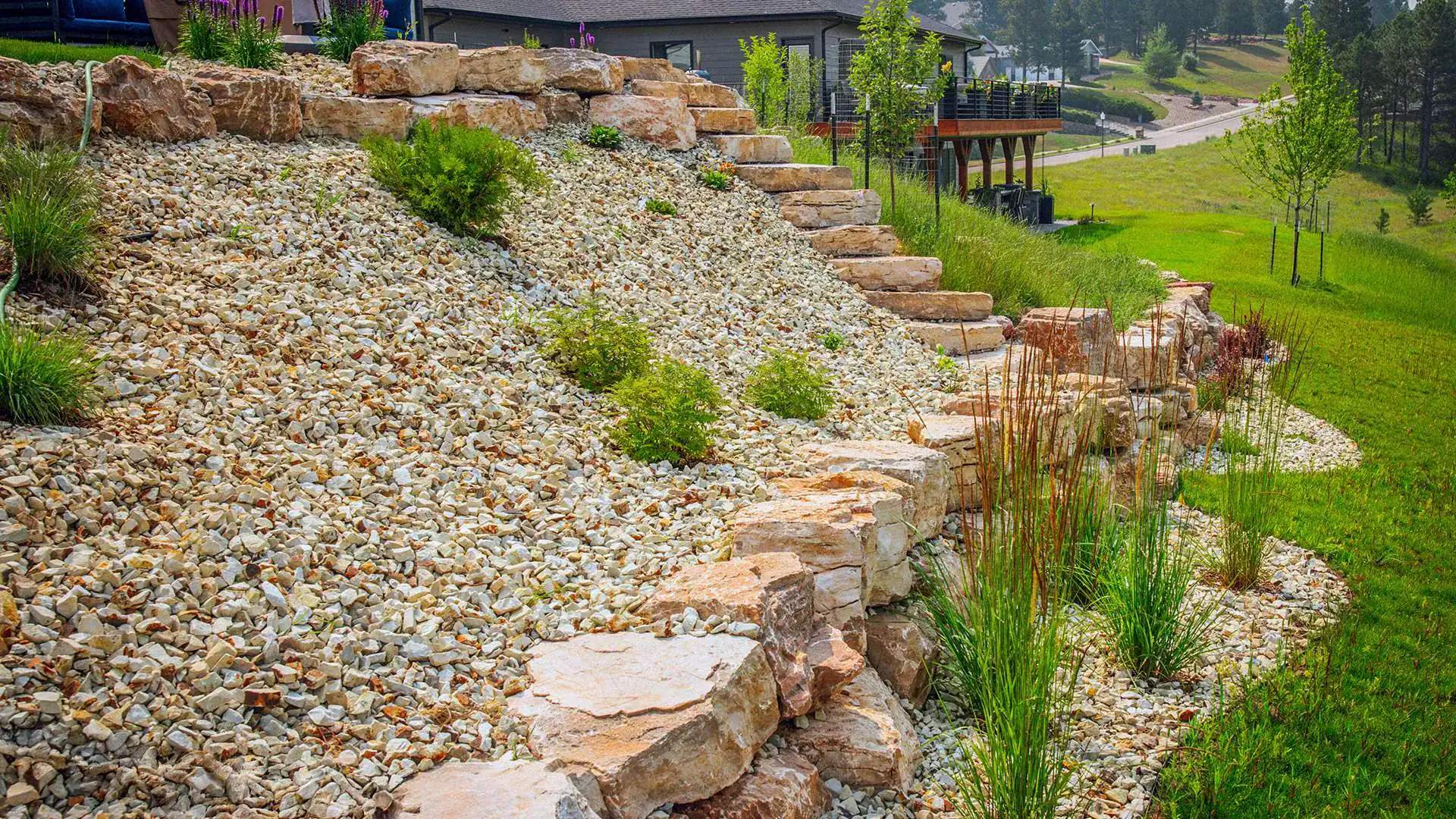
Retaining walls and rock gardens are particularly effective in Anchorage. They stabilize slopes, prevent soil loss, and create level areas for planting or relaxation. These features blend naturally with Alaska’s wild scenery, using local stone and hardy native plants to create a low-maintenance, enduring garden. Whether you want to tame a steep slope or simply add visual intrigue, hardscapes offer practical and aesthetic benefits tailored to the region.
Choosing the Right Materials for Alaska
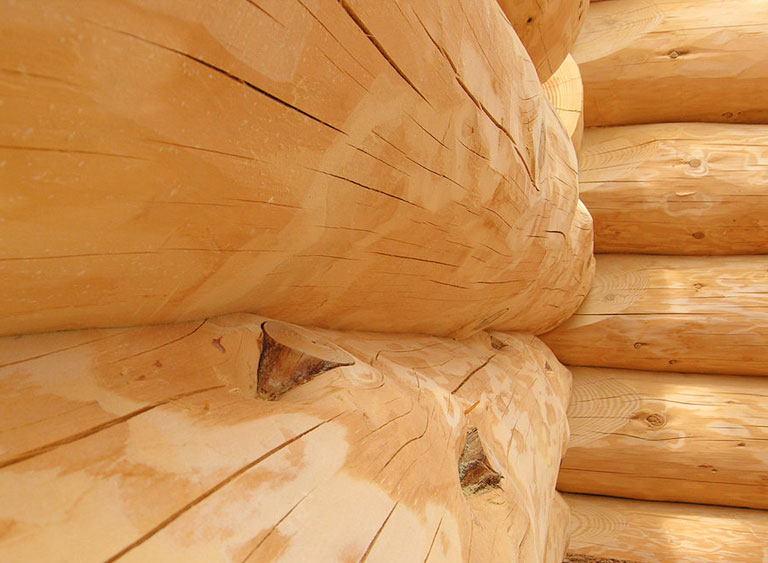
Selecting materials is crucial for both durability and beauty. Natural stone, interlocking concrete blocks, and reclaimed timber are top choices for Anchorage landscaping. Granite, basalt, and other local stones resist freeze-thaw cycles, ensuring your hardscapes remain strong and attractive through the seasons. Sourcing materials locally not only reduces your environmental footprint but also helps your garden blend seamlessly with the surrounding landscape.
Designing for Beauty and Function
A well-designed retaining wall or rock garden brings depth and dimension to your yard. Tiered layouts, varied textures, and complementary colors create visual interest. Curved walls soften harsh lines, while planting pockets and embedded lighting add functional charm. Gradual elevation changes form terraces for plants or seating, and repeating patterns in masonry work guide the eye and unify your design.
Selecting Rocks and Plants for Anchorage Gardens
For a rock garden, choose durable local stones such as granite, basalt, or slate. Mix smooth river rocks with rugged volcanic stones for added dimension. Place rocks thoughtfully, leaving space for soil and plant growth. Hardy native plants like alpine asters, sedum, bearberry, and dwarf conifers flourish in Anchorage’s climate. Trailing plants such as creeping thyme or saxifrage soften rock edges and help stabilize soil.
Strategic Placement for Maximum Impact
Position your hardscapes to highlight natural features or property highlights. Place retaining walls or rock gardens near slopes to frame mountain views or shoreline vistas. Elevated stone fire pits or patios maximize sun exposure, bringing outdoor living spaces closer to scenic backdrops. Careful planning ensures your hardscapes are both practical and visually harmonious, enhancing your overall landscape experience.
Creating Focal Points and Multi-Dimensional Spaces
Retaining walls and rock gardens can become striking focal points. Textured stone or stacked wood adds depth and character, while built-in seating or lighting enhances visual appeal. Rock gardens introduce layers and textures, encouraging exploration and year-round interest. Strategically placed rocks near paths or patios invite interaction, and pairing native stones with drought-resistant plants ensures your garden thrives in Anchorage’s climate.
Managing Water Flow and Stability
Proper drainage is essential for long-lasting hardscapes. Install perforated drain pipes at the base of retaining walls and layer gravel behind them to promote water flow. Geo-fabrics prevent clogging, maintaining consistent drainage. For rock gardens, anchor loose soil with larger rocks and fill gaps with smaller stones. Drought-resistant plants with strong root systems bind soil between rocks, reducing erosion and runoff.
Blending Hardscapes with Softscapes
Integrate softscapes with your hardscapes for a balanced, natural look. Cascading vines along stone walls or contrasting rugged boulders with clusters of flowering shrubs and ornamental grasses create a flowing, inviting garden. Consider proportions and textures carefully—pair coarse-textured plants with smooth granite steps for tactile interest. Evergreen shrubs provide year-round structure, ensuring your hardscapes never feel bare in winter.
Cost and Installation: DIY or Professional?
The cost of retaining walls and rock gardens varies by materials and labor. Local stone is often more affordable and blends naturally, while imported granite or specialty pavers increase expenses. Labor rates in Anchorage typically range from $50 to $100 per hour. Concrete walls cost $30–$45 per square foot, while natural stone walls cost $40–$60 per square foot. DIY projects can save money for small installations, but complex structures often require professional expertise to ensure stability and longevity.
Maintenance Tips for Longevity
Regular upkeep keeps your landscape pristine. Check retaining walls for shifting or settling after heavy snowmelt or rain. Clear debris and control vegetation growth to prevent moisture buildup. Address small cracks or loose stones promptly to avoid expensive repairs. For rock gardens, remove weeds and fallen debris routinely. Avoid overwatering, as many rock garden plants thrive in well-drained soil. Seasonal pruning and a thin layer of mulch help maintain healthy growth and prevent weed invasion.
Frequently Asked Questions
1. What makes retaining walls ideal for Anchorage landscaping?
Retaining walls are perfect for Anchorage because they manage soil erosion, handle uneven terrain, and create usable garden spaces. They add structure to your yard, serve as backdrops for plants, and enhance your outdoor area’s design. These features are especially valuable in Anchorage due to the region’s frequent freeze-thaw cycles and challenging soil conditions.
2. How can I create a rock garden that thrives in Anchorage?
To create a successful rock garden in Anchorage, select rocks that complement your property’s natural features and use hardy, cold-tolerant plants suited to the area’s short growing season. Position your rock garden in a location with good drainage to prevent water pooling. Group plants with similar needs together for a harmonious, sustainable garden that thrives in Anchorage’s climate.
3. What should I consider before installing retaining walls or rock gardens in Anchorage?
Before installing retaining walls or rock gardens, assess your property’s terrain and drainage patterns to ensure proper function and avoid water buildup. Choose materials that withstand freeze-thaw cycles, and integrate hardscape features to blend with natural elements and local plant life. Consulting a local landscaping professional can provide tailored advice suited to Anchorage’s unique environment and regulations.
4. Which plants are best for rock gardens in Anchorage?
The best plants for Anchorage rock gardens are hardy, cold-tolerant species that thrive in well-drained soil. Alpine asters, sedum, bearberry, dwarf conifers, creeping thyme, and saxifrage are excellent choices. These plants provide year-round visual interest and help stabilize soil between rocks. Selecting native species ensures resilience against harsh weather conditions and minimizes maintenance.
5. How do I maintain my retaining walls and rock gardens in Anchorage?
Regular maintenance is essential for keeping your hardscapes in top condition. Inspect retaining walls for shifting or settling, especially after heavy snowmelt or rain. Clear debris and control vegetation growth to prevent moisture buildup. Address small cracks or loose stones promptly. For rock gardens, remove weeds and fallen debris routinely, avoid overwatering, and prune plants seasonally. Adding a thin layer of mulch helps retain moisture and prevent weed growth without disrupting the natural stone arrangement.

Jacob Bishop is the founder and CEO of Be Happy Property Services. With a strong background in property management and customer service, Jacob has dedicated himself to creating a company that prioritizes client satisfaction and seamless property experiences. His extensive knowledge and hands-on approach have earned him a reputation for excellence in the industry. Jacob’s passion for real estate and commitment to happy living spaces make him a trusted leader in property services.