Pruning is one of the most misunderstood parts of yard care — cut at the wrong time or in the wrong way, and you can stress a tree, invite disease, or lose next season’s blooms. Done right, tree pruning in Anchorage keeps trees and shrubs healthy, safe, and shaped for years of strong growth. This guide covers why and when to prune in our climate, how to do it safely, and when a job calls for a pro.
Why Prune at All?
Pruning isn’t just tidying up — it’s active care that shapes how a plant grows. The main reasons to prune:
- Health. Removing dead, damaged, or diseased wood stops problems from spreading.
- Safety. Cutting back weak or overhanging limbs prevents breakage onto structures, walkways, and power lines — a real concern under Alaska snow load.
- Structure. Thinning and shaping build a strong framework and better form.
- Growth and blooms. Strategic cuts encourage healthy new growth and better flowering.
- Air and light. Opening a canopy improves airflow and sunlight, reducing disease.
Good pruning for healthy growth works with the plant’s natural form rather than fighting it.
When to Prune in Anchorage
Timing is where most homeowners go wrong. In our climate, the calendar matters as much as the technique. General guidance for when to prune in Alaska:
| Timing | What to do | Why |
|---|---|---|
| Late winter / early spring (dormant) | Major structural pruning of most trees | Plant is dormant; heals fast before growth |
| Late spring / summer | Light shaping; prune spring bloomers after flowering | Avoid cutting off this year’s blooms |
| Anytime | Remove dead, damaged, or hazardous wood | Safety and health come first |
| Fall | Avoid heavy pruning | New growth won’t harden before freeze |
Dormant pruning — cutting in late winter or early spring while the tree is still dormant — is ideal for most major work: the plant isn’t actively growing, wounds close quickly as spring arrives, and you can see the branch structure clearly without leaves. Avoid heavy fall pruning, which can push tender growth that won’t survive the freeze. One key exception: spring-flowering shrubs should be pruned right after they bloom, or you’ll cut off next year’s flowers.
How to Prune Safely and Correctly
Technique protects the plant. The basics:
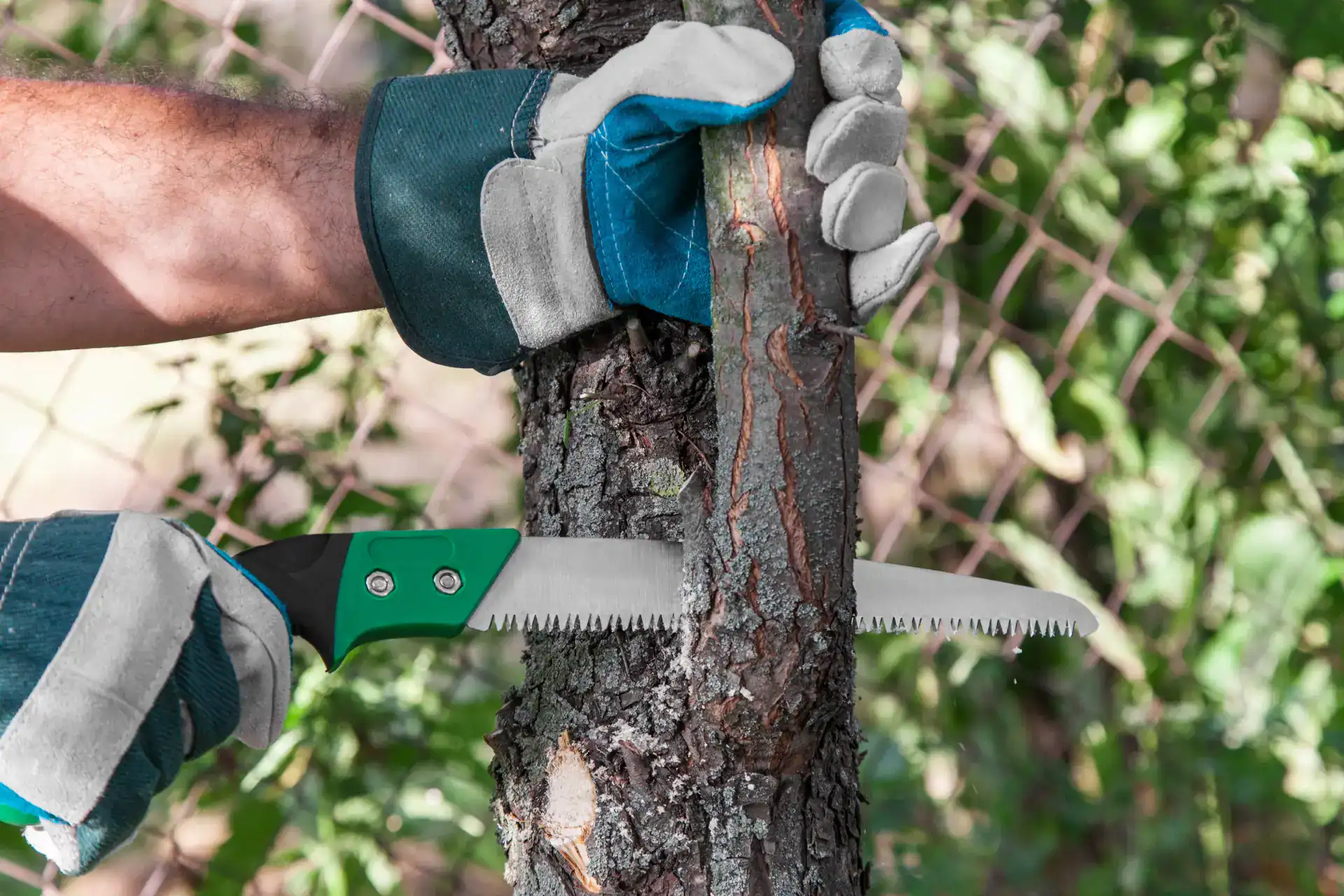
- Use sharp, clean tools. Clean cuts heal faster and reduce disease spread; sanitize between plants.
- Cut at the right spot. Just outside the branch collar — don’t leave stubs or cut flush.
- Remove the “three D’s” first. Dead, damaged, and diseased wood always comes off.
- Thin, don’t top. Selectively remove branches; never “top” a tree by lopping the crown.
- Don’t overdo it. Removing too much at once stresses the plant — a general rule is to take no more than about a quarter of the canopy in a season.
- Step back often. Check the shape as you go so you keep a balanced form.
Topping and over-pruning are the most common — and most damaging — mistakes, leaving weak regrowth and long-term harm.
DIY or Call a Pro?
Light shaping of small shrubs and removing a few low, dead branches are reasonable DIY jobs. Call a professional when:
- The work is high off the ground or requires a ladder or climbing — a serious safety risk
- Limbs are near power lines or could fall on a structure
- The tree is large, or you’re unsure how much and where to cut
- You want the timing and technique right to protect valuable trees
Height and power lines make tree work genuinely dangerous, and improper cuts can permanently harm a mature tree — both good reasons to hand bigger jobs to a pro. Pruning also fits into the seasonal rhythm of yard care; it pairs well with the checklist in our fall yard prep guide, and healthy pruning supports the overall vigor covered in top lawn and yard problems in Anchorage.
How to Get Started
- Identify what needs it — dead, damaged, crossing, or hazardous limbs first.
- Check the timing — dormant season for major cuts; after bloom for spring flowerers.
- Use clean, sharp tools and cut at the branch collar.
- Prune conservatively — never top, and don’t overdo it.
- Call a pro for anything high, near power lines, or on large trees.
For safe, correctly-timed pruning that keeps your trees and shrubs healthy, our landscaping services in Anchorage handle the work — including the tall and tricky jobs — the right way.
Which Approach Is Right for You?
If it’s light shaping of small shrubs or clearing a few dead branches you can reach safely, DIY with clean tools and correct timing works fine. If the job is high, near power lines, on a large tree, or you’re unsure how to cut, bring in a pro — the safety risk and the value of the tree both justify it. Either way, pruning at the right time and in the right way is what keeps an Anchorage landscape healthy for the long run.
Trees or shrubs due for a trim? Be Happy Property Services proudly serves Anchorage, AK and surrounding communities with clean, dependable, local landscaping. Call 907-336-7434 or visit our contact page to request a free, no-pressure estimate.
Frequently Asked Questions
When is the best time to prune trees in Anchorage?
For most major pruning, late winter to early spring is best — dormant pruning while the tree is leafless lets wounds heal quickly as growth resumes and makes the branch structure easy to see. Remove dead or hazardous wood anytime, but prune spring-flowering shrubs right after they bloom, and avoid heavy fall pruning.
What is dormant pruning and why does it matter?
Dormant pruning is cutting while a tree is dormant in late winter or early spring, before new growth starts. It matters because the plant isn’t actively growing, so it’s less stressed, wounds close fast in spring, and you can clearly see and shape the branch structure without leaves in the way.
How much of a tree can I safely prune at once?
As a general rule, remove no more than about a quarter of a tree’s canopy in a single season. Taking too much stresses the plant and can trigger weak, excessive regrowth. Always start with dead, damaged, and diseased wood, thin selectively rather than topping, and step back often to keep a balanced shape.
Should I prune shrubs in the fall in Alaska?
Avoid heavy fall pruning in Alaska. Cutting in fall can stimulate tender new growth that won’t harden off before freeze-up, leaving the plant damaged. Stick to removing dead or hazardous wood in fall and save major shaping for the dormant season — with spring bloomers pruned just after they flower.
When should I hire a professional for tree pruning?
Hire a pro for any pruning that’s high off the ground, near power lines, or on large or valuable trees, where the safety risk and the chance of permanent damage are highest. A professional gets the timing and cuts right, has the equipment to work safely at height, and protects the long-term health of your trees.