
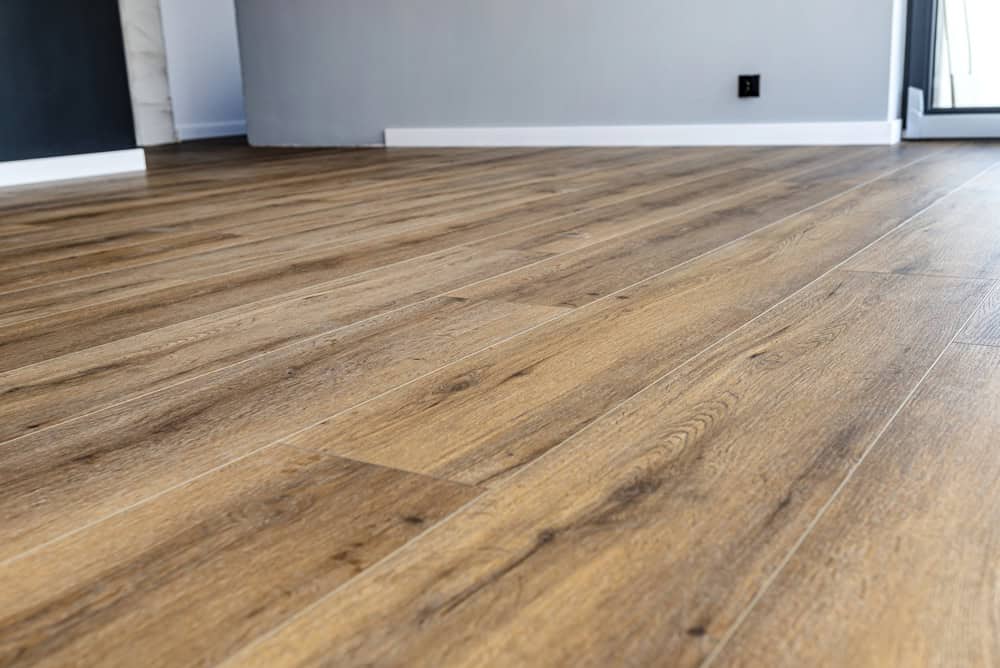
Flooring in Anchorage has a hard job. It faces snow-melt and grit tracked in all winter, big swings between cold entryways and warm living rooms, and the moisture that comes with both. The best flooring for Anchorage homes isn’t just about looks — it’s about what stays durable, comfortable, and warm underfoot through an Alaska winter. This guide compares the top options so you can choose the right floor for each room and your budget.
What to Look for in Alaska Flooring
Before comparing materials, know what actually matters in our climate. Good flooring for cold climates should be:
- Moisture-resistant. Snow, slush, and salt come in on boots; entryways and mudrooms especially need waterproof flooring.
- Durable. It has to shrug off grit, pets, and heavy traffic without scratching or denting easily.
- Warm and comfortable. Cold floors are a real downside here; warmth underfoot (or compatibility with in-floor heat) is a big plus.
- Stable with temperature swings. Materials that expand and contract a lot can gap or buckle between cold and heated spaces.
- Easy to clean. Winter tracks in a mess; low-maintenance surfaces win.
With those priorities in mind, here’s how the common choices stack up.
Comparing the Top Flooring Options
| Flooring | Strengths | Watch-outs | Best rooms |
|---|---|---|---|
| Luxury vinyl plank (LVP) | Waterproof, warm-ish, durable, DIY-friendly | Choose a thick wear layer | Anywhere, incl. entries |
| Laminate | Affordable, tough, wood look | Not fully waterproof | Living areas, bedrooms |
| Tile | Waterproof, ideal over in-floor heat | Cold and hard without heat | Baths, mudrooms, entries |
| Engineered hardwood | Real wood, more stable than solid | Costlier, watch moisture | Living/dining rooms |
| Carpet | Warm, soft, quiet | Traps moisture/grit at entries | Bedrooms, cozy spaces |
Luxury vinyl plank (LVP)
Luxury vinyl plank in Alaska has become the go-to for good reason: it’s waterproof, warmer underfoot than tile, durable against grit and pets, and it handles the whole house including entryways. A thicker wear layer buys you longevity in high-traffic spots.
Laminate
In the laminate vs LVP question, laminate wins on price and gives a convincing wood look with a tough surface — but it isn’t truly waterproof, so it’s better kept to living areas and bedrooms than wet entries.
Tile
Tile is bulletproof against moisture and the best partner for in-floor heat, which solves its one drawback — being cold and hard underfoot. In a mudroom or bath with radiant heat, it’s hard to beat.
Engineered hardwood and carpet
Engineered hardwood delivers real-wood warmth with better stability than solid hardwood, ideal for living and dining rooms kept away from standing moisture. Carpet still earns a place in bedrooms and cozy spaces for warmth and quiet — just keep it out of entryways where it traps snow-melt.
Match the Floor to the Room
The smartest Anchorage homes mix materials by zone:
- Entryways and mudrooms: waterproof and tough — LVP or heated tile. (This pairs naturally with a well-planned mudroom remodel.)
- Kitchens and baths: waterproof LVP or tile.
- Living and dining rooms: LVP, engineered hardwood, or laminate.
- Bedrooms: carpet, LVP, or laminate for comfort.
- Basements: waterproof, stable options like LVP or tile — a key detail in any basement finishing project.
Don’t Forget What’s Underneath
The subfloor, underlayment, and insulation matter as much as the surface. Proper underlayment adds warmth, cushions the floor, and helps with moisture and sound. Over a cold slab or in a basement, the right moisture barrier and insulation keep floors comfortable and prevent problems down the road. This is where a professional installation pays off — our home remodeling services in Anchorage handle the prep, subfloor, and finish so the floor performs for the long haul.
How to Choose
- Start with the room. Wet/high-traffic zones need waterproof, durable options.
- Weigh warmth. Consider in-floor heat under tile, or warmer LVP/carpet.
- Set the budget. Laminate stretches dollars; tile and hardwood cost more.
- Check the subfloor. Moisture and insulation needs shape the choice.
- Plan transitions. Where materials meet, plan clean, level transitions.
Which Flooring Is Right for You?
If you want one material for most of the house, LVP is the versatile, waterproof, budget-friendly winner for Anchorage. Choose tile where you’re adding radiant heat or need maximum moisture resistance, engineered hardwood for warm, real-wood living spaces, and carpet for cozy bedrooms. Matching each floor to how the room gets used — and prepping the subfloor right — is what makes flooring last through Alaska winters.
Ready to put down floors built for Alaska? Be Happy Property Services proudly serves Anchorage, AK and surrounding communities with clean, dependable, local remodeling. Call 907-336-7434 or visit our contact page to request a free, no-pressure estimate.
Frequently Asked Questions
What is the best flooring for Anchorage homes?
For most homes, luxury vinyl plank is the best flooring in Anchorage — it’s waterproof, durable, warmer underfoot than tile, and works throughout the house including entryways. Tile is ideal where you’re adding in-floor heat, while engineered hardwood and carpet suit living rooms and bedrooms kept away from moisture.
Is luxury vinyl plank good for Alaska winters?
Yes. Luxury vinyl plank in Alaska handles snow-melt, grit, and temperature swings well because it’s waterproof, dimensionally stable, and tougher than laminate against scratches. Choosing a thicker wear layer improves durability in high-traffic areas like entries and kitchens, making it one of the most versatile cold-climate options.
Laminate vs LVP — which should I choose?
In the laminate vs LVP decision, laminate is more affordable and gives a great wood look, but it isn’t fully waterproof, so it’s best in living areas and bedrooms. LVP costs a bit more but is waterproof and works everywhere, including wet entryways — the better pick if moisture resistance is a priority.
What flooring works best in an Anchorage entryway?
Entryways need waterproof, durable flooring that shrugs off snow-melt, salt, and grit — luxury vinyl plank or heated tile are the top choices. Avoid carpet at entries, since it traps moisture and debris. Pairing a tough entry floor with good mats and storage keeps the mess contained.
Does flooring need special prep for cold climates?
Yes. Durable flooring for Anchorage homes depends on the subfloor, underlayment, and insulation as much as the surface material. Proper moisture barriers and insulation — especially over cold slabs or in basements — keep floors warm and stable and prevent buckling or moisture damage, which is why professional installation is worth it.

Jacob Bishop is the founder and CEO of Be Happy Property Services. With a strong background in property management and customer service, Jacob has dedicated himself to creating a company that prioritizes client satisfaction and seamless property experiences. His extensive knowledge and hands-on approach have earned him a reputation for excellence in the industry. Jacob’s passion for real estate and commitment to happy living spaces make him a trusted leader in property services.