You play a key role in maintaining the appeal and health of your commercial property’s landscaping throughout the year. Each season demands specific care to keep your property looking its best, from spring cleanup and vibrant flower rotations to summer irrigation checks and fall perennials transplanting. Neglecting seasonal tasks can lead to costly damage and reduce curb appeal, while well-planned strategies ensure a thriving, attractive landscape that impresses tenants and visitors alike. This guide will help you navigate your landscaping needs effectively every season, maximizing beauty and sustainability all year.
Key Takeaways:
- Seasonal maintenance enhances both the appearance and health of commercial landscaping, with tailored tasks like spring clean-up, summer pest management, fall color refreshment, and winter dormant pruning.
- Incorporating sustainable practices such as water-saving irrigation technologies and native plants supports environmental health while maintaining vibrant, thriving landscapes throughout the year.
- Regular inspections and timely interventions—ranging from drainage solutions to hardscaping repairs—help prevent damage and preserve the functionality and safety of commercial property grounds.
Understanding Seasonal Landscaping
Before you examine specific tasks, it’s vital to understand how the changing seasons influence your commercial property landscaping. Seasonal landscaping is more than just a visual refresh—it’s about adjusting your maintenance and planting strategies to support plant health, curb appeal, and sustainability throughout the year. Each season brings unique challenges and opportunities, and aligning your landscaping approach with these shifts ensures your property remains vibrant and inviting no matter the time of year.
Importance of Seasonal Maintenance
Behind every thriving commercial landscape is a thoughtful seasonal maintenance plan. When you adapt your upkeep to the specific needs of spring, summer, fall, and winter, you protect your investment and enhance your property’s appearance. This means tackling tasks like spring clean-up, summer irrigation checks, and fall flower rotations that keep your landscaping healthy and impressive, boosting tenant satisfaction and attracting new customers.
The Impact of Climate on Landscaping
In addition to seasonal changes, your region’s climate heavily shapes how you manage your landscaping. In the Mid-Atlantic, with its humid summers and mild falls, certain plants—like native Black-eyed Susans and coneflowers—are better suited to thrive year-round. Understanding these climate factors helps you choose resilient plants and plan maintenance that supports long-term growth without wasting resources.
With the Mid-Atlantic’s diverse climate, you face risks like summer heat stress, pest infestations, and winter freeze damage. Intense summers may invite weeds and plant diseases, while wet springs demand efficient drainage solutions to prevent soil erosion. By tailoring your landscape care to these realities and incorporating sustainable practices such as proper mulching and smart irrigation, you can enhance durability and beauty through every season.
Spring Landscaping Strategies
Spring Clean-up and Preparation
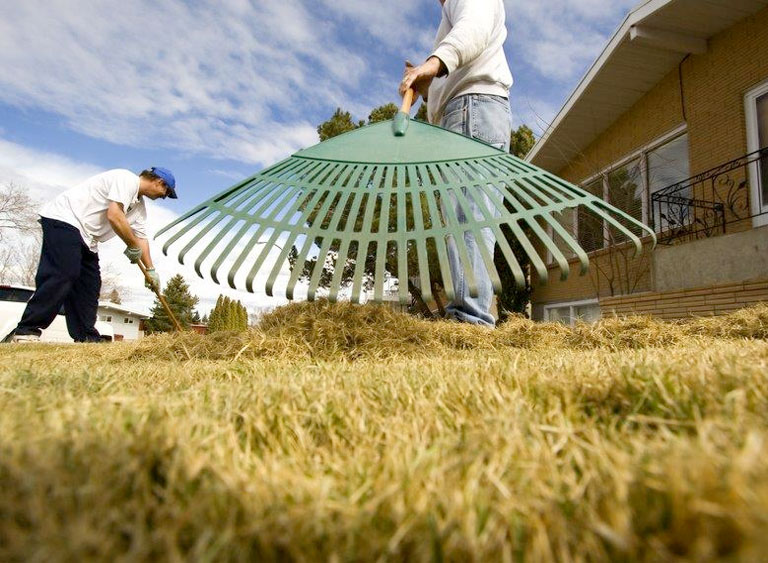
Strategies for your commercial property start with a thorough spring clean-up and preparation. Clearing away fallen leaves, twigs, and debris improves your property’s curb appeal and promotes healthier plant growth. Fresh mulch helps suppress weeds and retains soil moisture as temperatures climb. Paying attention to these foundational tasks ensures your landscaping recovers well from winter’s wear and sets a strong stage for vibrant growth and lasting beauty throughout spring and summer.
Planting Seasonal Flowers
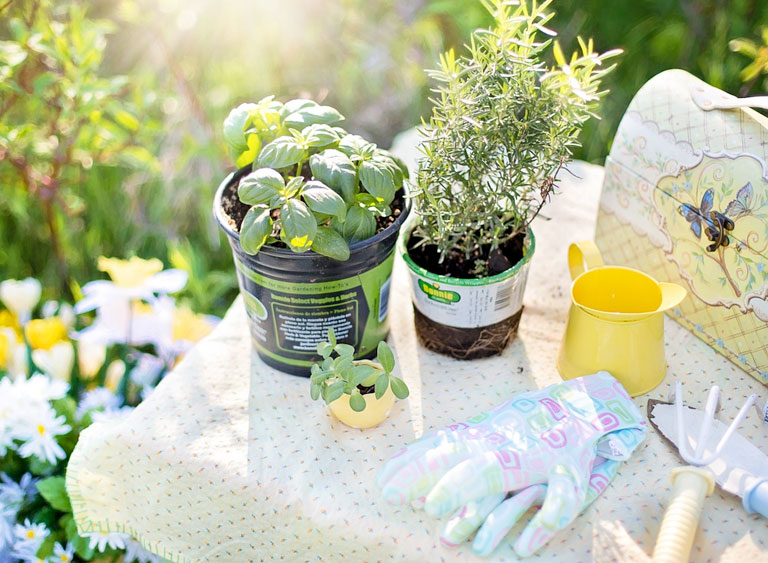
Spring signals the perfect time to enliven your commercial landscape with colorful seasonal flowers. Incorporating pansies, violas, and daffodils creates an inviting and cheerful atmosphere that welcomes staff, visitors, and customers. These flowers thrive in the Mid-Atlantic climate, bringing brightness to your property’s exterior during the early months of the year.
Understanding which plants perform best over extended seasons helps you maintain continuous color on your grounds. Native plants such as black-eyed Susans, coneflowers, and perennial geraniums provide vibrant blooms and support local pollinators like bees and butterflies. Integrating these sustainable options sustains your landscape’s health while adding ecological value.
Lawn Care and Aeration
Aeration is an essential step in refreshing your lawn after winter. It alleviates soil compaction and encourages air, water, and nutrients to reach the grassroots more effectively. This process improves your turf’s overall vigor and resilience, preparing it for robust growth during the warmer months ahead.
Further enhancing lawn health involves overseeding and applying appropriate fertilizers tailored to commercial landscapes in the Mid-Atlantic. These practices help repair winter damage and reduce weed invasion, ensuring your green spaces remain lush, even under summer’s heat and drought conditions.
Irrigation System Check-up
Around springtime, it’s imperative to inspect your irrigation system thoroughly before turning it on. Winter conditions can damage sprinkler heads and valves, leading to inefficient watering and potential dry spots or oversaturation in your landscaping.
An irrigation system check-up allows you to identify leaks, broken components, and clogged nozzles early. Technicians can calibrate your system for water efficiency using modern controllers and sensors, helping you reduce water waste while ensuring your plants receive the right amount of hydration throughout the season.
Summer Landscaping Strategies
For commercial properties in the Mid-Atlantic, summer brings both beauty and challenges to your landscaping. High temperatures, intense sun, and heavy foot traffic demand attentive care to keep your property vibrant and welcoming. With the right strategies, you can maintain healthy lawns, protect plants from pests, conserve water, and enhance your outdoor spaces with wise hardscaping choices.
Maintaining Lawn Health
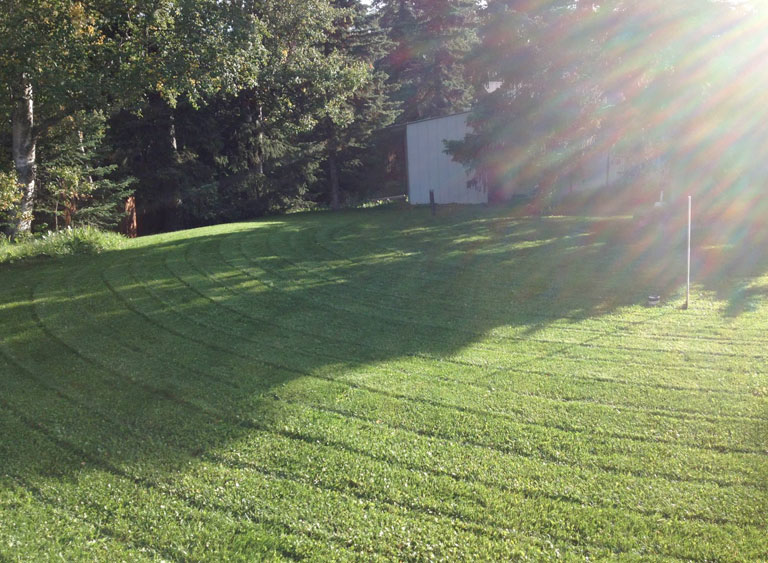
Your summer lawn requires consistent mowing, fertilizing, and weed control to stay lush and green. Summer growth accelerates, as do threats like drought stress and invasive weeds. Following a regular maintenance schedule and adjusting irrigation will ensure your turf remains a welcoming feature that enhances your property’s image.
Managing Pests and Diseases
Before symptoms like yellowing leaves or withering appear, it’s important to stay vigilant against pests like aphids or spider mites and diseases such as cankers or rose rosette. Early identification and professional consultation will help you address infestations effectively without harming unaffected plants, protecting your landscaping investment.
Considering how subtle pest damage can be, expert knowledge is key. Professionals can distinguish between insect attacks and disease damage, providing targeted treatments that minimize chemical use and preserve the overall health of your landscape, while avoiding unnecessary or harmful interventions.
Sustainable Watering Practices
Watering in summer demands a careful balance to avoid waste and promote healthy growth. Water-saving technology like drip irrigation, weather-adaptive controllers, and rain sensors can significantly reduce water use. Scheduling irrigation for early mornings or evenings minimizes evaporation, keeping your landscaping hydrated and vibrant.
Consequently, sustainable watering conserves a precious resource and lowers operational costs. Efficient irrigation reduces runoff and prevents soggy soils that can attract pests or cause root diseases, ultimately supporting a resilient, thriving landscape through the hottest months.
Enhancing Curb Appeal with Hardscaping
In summer landscaping activities, upgrading or repairing hardscape elements like paver patios and walkways boosts appearance and safety. Hot weather is ideal for addressing damaged paths, sunken pavers, or root cracks before they worsen and create hazards.
Understanding how tree roots and poor drainage contribute to hardscape deterioration empowers you to take timely action. Well-maintained hardscaping complements your greenery, extends your usable outdoor space, and makes a strong impression on tenants, visitors, and customers alike.
Fall Landscaping Strategies
Autumn Planting and Color
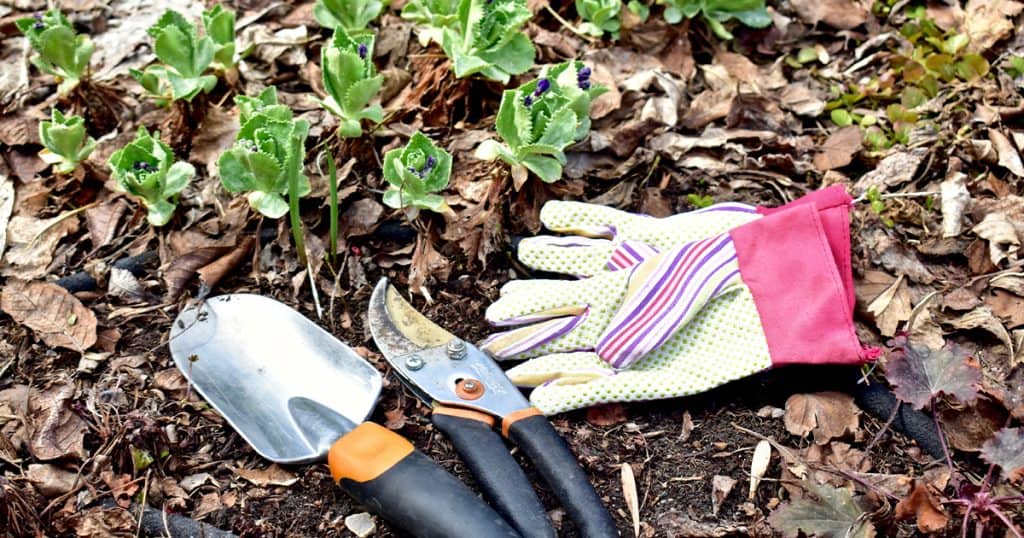
Vibrant autumn colors across your commercial property can create a welcoming atmosphere that leaves a lasting impression. Adding pansies, mums, kale, and ornamental cabbages offers cheerful bursts of color that thrive in the mild Mid-Atlantic fall climate. These plants enhance curb appeal and extend the seasonal beauty of your landscape well into November, engaging tenants, customers, and visitors alike with fresh, lively colors as summer fades.
Lawn Aeration and Fertilization
Aeration and fertilization are must-do steps for a healthy, resilient lawn that bounces back come spring and fall. Aerating reduces soil compaction, allowing roots to access air, water, and nutrients more effectively. Fertilization during this time replenishes your lawn’s nutrient reserves and encourages strong root growth, setting your turf up for a lush, green revival after winter’s dormancy.
Further, proper lawn aeration and fertilization reduce the risk of lawn diseases and improve drought tolerance by enhancing soil structure and nutrient availability. These benefits combine to maintain the clean, emerald appearance your commercial landscape should reflect, supporting a professional and appealing image all year round.
Preparing Plants for Winter
Careful preparation is key to protecting your perennials and shrubs from harsh winter conditions. Pruning dead branches, applying mulch, and wrapping sensitive plants help shield roots and stems from cold damage. These steps ensure your plants enter dormancy in the best possible condition, helping them emerge healthy and vigorous come spring.
And by taking the time to winterize your landscaping, you reduce the likelihood of damage from frost, ice, and fluctuating temperatures. This proactive care safeguards your investment and keeps your property polished even as the seasons shift.
Fall Clean-up Activities
By clearing away fallen leaves, dead plant material, and debris, you keep your commercial landscape tidy and reduce habitats for pests and diseases that could affect your plants. Consistent fall clean-up enhances your property’s appearance and health, ensuring a neat presentation to visitors and supporting plant vitality through winter.
With systematic clean-up, you also prevent clogged drainage systems and mold build-up, which can otherwise lead to costly damage and slippery walkways. This maintenance sets a strong foundation for spring growth and helps you avoid seasonal headaches.
Winter Landscaping Strategies
Despite winter’s challenges, this season offers a unique opportunity to protect and prepare your commercial property’s landscaping for the months ahead. Managing your landscape in winter means thoughtfully caring for trees, shrubs, hardscapes, and equipment to ensure a healthy, vibrant return in spring. With proactive steps and attention to detail, you can maintain curb appeal and avoid damage during the harsh cold months.
Winter Care for Trees and Shrubs
Winter care means protecting your trees and shrubs from harsh weather stress. Applying anti-desiccant sprays, staking young trees, and wrapping vulnerable trunks can help prevent bark cracking and dehydration. Pruning dead or damaged branches reduces the risk of winter injury, ensuring your landscape plants stay resilient and ready for spring growth.
Managing Snow and Ice
By quickly addressing snow and ice buildup, you protect your property from safety hazards and plant damage. Use proper snow removal techniques that avoid piling snow directly onto plant beds or around tree trunks. Opt for eco-friendly ice melt products that minimize harm to soil and vegetation while keeping pathways clear and safe for visitors and tenants.
Managing snow and ice effectively also means considering drainage to prevent water pooling and soil erosion as snow melts. Installing barriers or mulch around sensitive plants creates insulation and reduces freeze-thaw stress. Carefully timed snow clearing can avoid issues of compaction that damage turfgrass beneath. Taking these steps helps you maintain your property’s neat appearance and structural integrity throughout winter.
Planning for Spring
Trees and shrubs enter dormancy in winter, making this an ideal time to plan your spring landscape enhancements. Consider which areas need rejuvenation or new planting and schedule soil tests to guide fertilizer and amendment choices. This preparation lets you hit the ground running when warmer weather arrives.
Even before the snow melts, you can strategize your landscape color rotations for spring and summer with perennials, natives, and seasonal flowers. Early planning ensures you have the right plants ready to maintain year-round beauty, as you enjoyed in previous seasons.
Equipment Maintenance
Across your landscaping tools and irrigation systems, winter is the perfect opportunity for thorough inspection and maintenance. Clean, sharpen, and properly store your equipment so it’s ready to perform efficiently when the busy seasons return.
Equipment that isn’t well-maintained can cause downtime and costly repairs. Check irrigation heads and lines for damage or debris before winter fully sets in. Routine service of mowers, trimmers, and blowers now means you’ll avoid last-minute emergencies and keep your maintenance schedule on track throughout the year.
Sustainability Practices in Landscaping
Adopting sustainability practices year-round is necessary to create a thriving commercial landscape that respects the environment and saves resources. Through thoughtful, eco-conscious strategies, you can enhance your property’s appeal while supporting local ecosystems and reducing maintenance costs. These include selecting the right plants, managing pests naturally, conserving water, and using mulch effectively to nurture your landscape. Let’s explore practical ways to incorporate these methods into your seasonal maintenance routine.
Native Plant Selection
Below, native plants offer an innovative and sustainable choice for landscaping commercial property. Species like Black-eyed Susans, coneflowers, and perennial geraniums thrive in the Mid-Atlantic climate with less water and care, supporting local bees, butterflies, and birds. By choosing native flora, you enhance biodiversity, improve soil health, and reduce the need for fertilizers and pesticides, making your landscape both beautiful and eco-friendly.
Eco-friendly Pest Control
Between natural predators, biological controls, and organic treatments, eco-friendly pest control methods keep your landscaping healthy without harmful chemicals. You benefit from expert assessments to identify offending pests like scale or aphids early, allowing you to manage infestations safely and precisely without disrupting beneficial insects or damaging plants.
Even small infestations can threaten your landscape’s vitality if treated improperly. Integrated pest management approaches help minimize risks by combining monitoring, cultural practices, and selective interventions. These tactics protect your investment and maintain a healthy environment for tenants and visitors.
Water Conservation Strategies
Water conservation should be a top priority in your summer and year-round landscape maintenance. Employing drip irrigation, rain sensors, and smart controllers ensures your irrigation system targets water efficiently, reducing waste while keeping your plants healthy during Maryland’s hot, humid summers.
Routinely inspecting your irrigation setup can uncover broken sprinkler heads or clogged lines that might be silently wasting water. These proactive steps deliver significant savings on your water bills and promote sustainable water use, keeping your commercial property looking great without excess consumption.
Benefits of Mulching
After applying a fresh layer of mulch, you’ll notice more than enhanced curb appeal. Mulching conserves soil moisture, suppresses weed growth, and shields plant roots from temperature extremes throughout the year.
For instance, as mulch breaks down, it enriches your soil’s fertility, naturally supporting plant health and growth. This organic process reduces the need for chemical fertilizers and frequent watering, making mulching a powerful, sustainable practice that works quietly beneath the surface to maintain a vibrant landscape.
Summing up
Year-round landscaping is essential to maintain a professional, inviting appearance for your commercial property. With expert landscaping services, you can ensure your outdoor spaces remain vibrant and functional in every season. At Be Happy Property Services, we provide tailored solutions to meet your needs. Contact us today and discover how we can transform your commercial landscape into a lasting impression!
FAQ
How can I ensure my commercial property’s landscaping stays vibrant throughout all seasons?
Maintaining vibrant landscaping year-round involves planning and regular care tailored to each season. In spring, focus on cleanup, planting resilient spring flowers, and refreshing mulch to protect the soil. With updated irrigation systems, summer requires attentive lawn care, pest management, and efficient watering. Fall is ideal for adding seasonal color with hardy plants like mums and pansies, and transplanting perennials to prepare them for winter. Winter maintenance includes dormant pruning and protecting plants from harsh weather. Continuously rotating plants and adjusting care based on seasonal needs keeps your landscape healthy and attractive all year.
What sustainable practices can be integrated into commercial seasonal landscaping?
Sustainable landscaping in commercial properties can be achieved through selecting native and drought-resistant plants that require less water and provide ecological benefits, such as supporting pollinators. Incorporating efficient irrigation technology like drip systems, rain sensors, and smart controllers reduces water waste. Organic mulch conserves moisture and improves soil health while promoting natural pest control methods and minimizing chemical use. Additionally, installing rain gardens or enhancing drainage helps manage excess water naturally. These strategies reduce environmental impact while maintaining a beautiful landscape.
When is the best time to perform major landscape upgrades like hardscaping on a commercial property?
Summer is generally the most suitable season for hardscaping projects such as installing new paver patios or repairing walkways. The dry, warm weather promotes quicker curing and reduces complications from wet or cold conditions. Addressing issues like cracked concrete, sunken pavers, or drainage problems during summer prevents hazards and extends the lifespan of hardscape features. Planning these projects during this period ensures minimal disruption and a smooth installation or repair process.

Jacob Bishop is the founder and CEO of Be Happy Property Services. With a strong background in property management and customer service, Jacob has dedicated himself to creating a company that prioritizes client satisfaction and seamless property experiences. His extensive knowledge and hands-on approach have earned him a reputation for excellence in the industry. Jacob’s passion for real estate and commitment to happy living spaces make him a trusted leader in property services.