Digging Deeper in Alaska Starts with Smart Site Prep
Excavation is the backbone of any successful construction, landscaping, or utility installation project. Whether you’re building a new home, installing a septic system, digging for a foundation, or creating a driveway in Anchorage or anywhere across Alaska, one thing is certain—site preparation matters.
But preparing land in Alaska isn’t like digging in the Lower 48. From permafrost to soil types, drainage challenges to building codes, there are unique environmental and regulatory factors at play that can significantly affect your timeline, budget, and safety.
In this blog post, we’ll break down what every homeowner, contractor, or developer should know about site prep before excavation in Alaska, including necessary permits, soil evaluations, access planning, and the role of professionals in preventing costly mistakes.
Understanding Alaska’s Unique Soil and Terrain Challenges
Before any digging begins, you need to know what you’re digging into. Alaska’s terrain varies dramatically across regions, but several statewide factors make excavation prep especially important.
Permafrost and Frozen Ground
Much of Alaska, especially rural and northern areas, contains permafrost—permanently frozen ground that can shift, sink, or thaw unpredictably. Even in places like Anchorage, areas with seasonally frozen ground can wreak havoc on unprepared excavation projects.
Key considerations:
- Digging through frozen ground requires specialized equipment and planning.
- Thawing permafrost can cause foundations to shift and water drainage to change.
- Soil stabilization or thermal mitigation may be required in permafrost zones.
Silty, Sandy, or Clay Soils
Anchorage and much of southcentral Alaska have glacial soils, which are often silty or sandy and can be highly susceptible to erosion. In other parts of the state, heavy clay soils can retain water and cause drainage issues.
Drainage and Water Table Issues
High water tables, especially in spring or near coastal areas, can flood excavation sites and make digging unsafe or unproductive.
Bottom Line: Always conduct a geotechnical site survey or soil test before you excavate. These evaluations help determine soil composition, stability, frost depth, and moisture levels—critical data for safe and efficient excavation.
Check for Permits and Utility Markings Before Breaking Ground
Even on private property, you can’t just start digging without clearance. Excavation in Alaska is governed by both state and local regulations, and ignoring them can result in fines or dangerous utility strikes.
Call 811: Alaska Digline
Before starting any excavation, you’re legally required to call 811 at least two business days in advance. This free service notifies utility companies to come out and mark underground lines (water, gas, electric, telecom).
Permits You May Need in Alaska
Depending on your location and the scope of your project, you may need:
- Excavation or grading permit (especially in urban or municipal zones like Anchorage)
- Erosion control permits
- Stormwater pollution prevention plan (SWPPP) for large projects
- Septic installation permit from Alaska DEC
- Driveway or right-of-way permit for access across public land
Check with your local planning department, city, or borough office before beginning site work. Even rural lots may fall under the Department of Natural Resources (DNR) or federal oversight.
Create a Site Plan: Access, Drainage, and Staging Areas
Once you’ve cleared the legal hurdles, the next phase of prep is site planning—deciding how the excavation will take place efficiently and safely.
1. Property Access
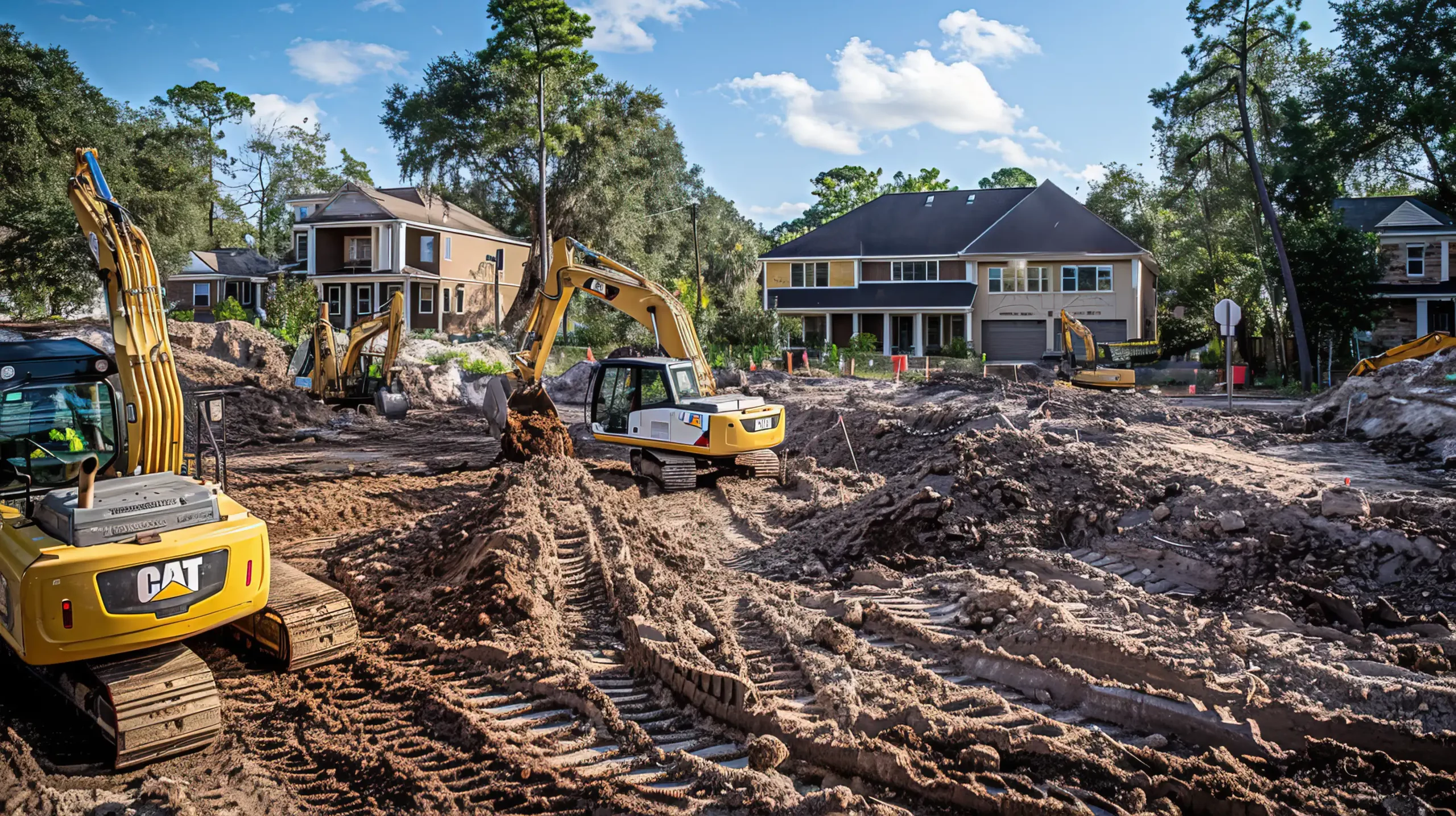
Can excavation equipment (like backhoes, loaders, or skid steers) reach your dig site? Many Alaskan properties require clearing trees, building temporary roads, or reinforcing driveways to allow heavy equipment access.
2. Material Storage & Staging
You’ll need to plan space for:
- Excavated soil
- Gravel or backfill
- Equipment parking
- Supply deliveries
Proper staging prevents delays and keeps the site organized and safe.
3. Drainage Control
Excavation exposes the land to erosion and runoff. On a sloped property or in wet seasons, this can wash out trenches or damage neighboring lots. You may need temporary grading, swales, or sediment fences.
4. Boundaries and Setbacks
Know exactly where property lines are located. If you’re building near borders, double-check setbacks and easements to avoid legal or structural issues.
Hire the Right Excavation Contractor for Alaskan Conditions
Excavation is not a DIY project in Alaska. The stakes are too high when dealing with unstable soil, frozen ground, utility lines, and heavy machinery. A skilled local excavation contractor is essential for site safety, efficiency, and compliance.
What to Look For:
- Licensed, bonded, and insured professionals with excavation-specific credentials
- Experience with Alaskan terrain (permafrost, steep slopes, remote access)
- Access to proper machinery like frost buckets, trenchers, and compaction rollers
- Knowledge of local permitting requirements and SWPPP standards
- Good reviews and referrals from previous Alaska-based projects
The right excavation contractor will help with planning, permitting, and execution, keeping your project on track from day one.
Prepare for the Unexpected: Contingencies and Cost Buffers
Even with excellent planning, excavation in Alaska can throw curveballs—from hitting unexpected boulders to running into groundwater or unstable soil layers.
Build Contingency Into Your Budget
Industry professionals often recommend adding 10–20% in cost buffers for excavation work, especially in Alaska’s unpredictable conditions.
Monitor Weather Closely
Sudden snowstorms, deep frosts, or heavy rains can delay excavation or damage work in progress. Plan projects during optimal weather windows—typically late spring through early fall in most regions.
Communicate With Neighbors or Property Stakeholders
Excavation often creates noise, dust, or road access issues. Keeping open lines of communication with neighbors, tenants, or local agencies helps avoid friction or complaints.
Proper Site Prep Makes or Breaks Your Alaskan Excavation Project
Whether you’re installing utilities, building a new home, or reshaping your landscape, excavation is where it all begins—and where things can go wrong fast without solid preparation. In Alaska, smart site prep includes:
- Soil testing and permafrost awareness
- Proper permits and utility markings
- Drainage planning and staging logistics
- Hiring experienced local contractors
- Accounting for weather, access, and backup costs
Getting these steps right doesn’t just protect your investment—it ensures safety, legal compliance, and long-term success.
If you’re preparing for excavation in Anchorage or anywhere in Alaska, don’t go it alone. Partner with a trusted local excavation and site prep contractor who understands the land, the climate, and the regulations that define life in the Last Frontier.

Jacob Bishop is the founder and CEO of Be Happy Property Services. With a strong background in property management and customer service, Jacob has dedicated himself to creating a company that prioritizes client satisfaction and seamless property experiences. His extensive knowledge and hands-on approach have earned him a reputation for excellence in the industry. Jacob’s passion for real estate and commitment to happy living spaces make him a trusted leader in property services.