Anchorage’s dramatic topography and unpredictable weather make sloped yards both a blessing and a challenge. While hills and slopes offer panoramic views and unique outdoor design possibilities, they also create persistent drainage issues that can damage your property and landscape. From spring snowmelt to summer storms, water runoff, erosion, and pooling are common headaches for Anchorage homeowners.
Addressing these problems isn’t just about aesthetics—it’s about protecting your home and investment. Thoughtful landscaping can transform a problematic slope into a resilient, attractive, and fully functional yard. This guide covers practical, Anchorage-specific strategies for managing drainage, preventing erosion, and maximizing your outdoor space.
The Unique Drainage Challenges of Anchorage
Anchorage’s subarctic climate, glacial soils, and dramatic elevation changes create a unique set of drainage challenges. Rapid snowmelt in spring floods yards with water, while frequent freeze-thaw cycles destabilize soil and disrupt drainage systems. Sandy or silty soils further complicate matters, allowing water to pool or run off too quickly.
Typical drainage problems in Anchorage’s sloped yards include:
-
Erosion from downhill water flow
-
Standing water near foundations or walkways
-
Saturated lawns and plant beds
-
Washed-away mulch, gravel, or soil
-
Basement flooding due to misdirected runoff
Ignoring these issues can lead to costly foundation repairs, damaged landscaping, and ongoing maintenance headaches. Effective drainage solutions are essential for preserving your property and enhancing your outdoor living experience.
Grading: The Foundation of Effective Drainage
Proper grading is the cornerstone of any drainage solution. The goal is to shape your yard so water flows away from your home and toward designated drainage areas. For most Anchorage properties, a gentle 2% slope (about 1/4 inch per foot) away from the foundation is ideal. This redirects water to swales, dry wells, or other drainage structures, minimizing the risk of foundation saturation.
For steeper slopes, consider terracing. Terraces create level planting areas and slow water movement, reducing erosion and creating usable outdoor spaces. Retaining walls, timber, stone, or concrete block borders can be used to form terraces, especially in neighborhoods like Bear Valley or the Hillside District.
Drainage Systems: French Drains, Swales, and Dry Wells
Installing a drainage system is often necessary for managing water on sloped yards. Here are three Anchorage-approved solutions:
-
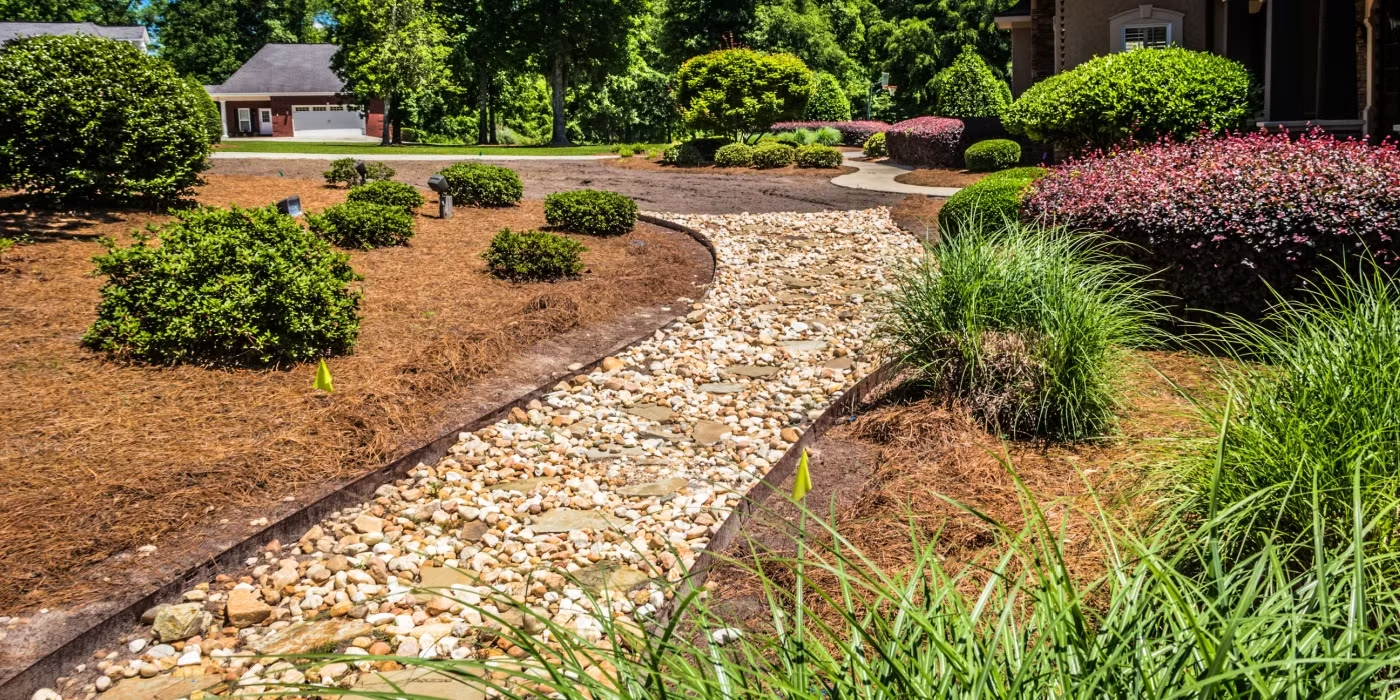
French Drains: Gravel-filled trenches with perforated pipes collect and redirect subsurface water. They’re perfect for wet lawns, areas near foundations, or walkways prone to pooling.
-
Swales: Shallow, gently sloped ditches—often landscaped with grass or rock—guide surface water to safe outlets. Swales blend naturally into your yard and are effective for large sloped areas.
-
Dry Wells: Underground structures store excess water and release it slowly into the soil. Dry wells are especially useful in older neighborhoods with compacted soil or no stormwater sewers.
These systems can be customized to Anchorage’s specific soil and climate conditions. For best results, consult a local landscaping professional experienced in excavation and drainage installation.
Retaining Walls: Stability and Style
Retaining walls are a powerful tool for controlling elevation and water flow on slopes. Constructed from block, stone, timber, or concrete, they hold back soil and create level, usable spaces. Retaining walls also protect against erosion, water pooling, and washouts during heavy rains or spring thaw.
For optimal performance, pair retaining walls with perforated drain pipes (weeping tiles) and gravel backfill. This combination promotes proper drainage behind the wall and is especially effective on steep inclines or high-runoff zones.
Erosion Control with Native Plants
Plants play a crucial role in managing water and stabilizing soil on sloped yards. Native and deep-rooted species are best suited for Anchorage’s climate and drainage challenges. They break water velocity, enhance absorption, and add visual interest to your landscape.
Top Anchorage Plants for Sloped Yards:
-
Bearberry (Arctostaphylos uva-ursi): Excellent ground cover for erosion control.
-
Alpine Forget-Me-Not: Alaska’s state flower with strong soil grip.
-
Yarrow (Achillea millefolium): Hardy and drought-tolerant.
-
Lowbush Blueberry: Provides erosion control and edible fruit.
-
Sedges and ornamental grasses: Ideal for sloped swales and beds.
Strategic planting not only controls erosion but also creates a vibrant, low-maintenance yard.
Conclusion
Sloped yards are a natural feature of Anchorage’s landscape, but they don’t have to be a liability. With proper grading, effective drainage systems, retaining walls, and the right plants, you can turn your sloped property into a beautiful, functional, and water-smart outdoor space. If you’re facing drainage challenges, consult a local landscaping expert who understands Anchorage’s unique conditions and codes.
FAQ
1. Why is drainage important in Anchorage’s sloped yards?
Proper drainage prevents erosion, foundation damage, and waterlogged lawns. Anchorage’s climate—with rapid snowmelt and frequent freeze-thaw cycles—makes effective water management essential for protecting your property and maintaining a healthy landscape.
2. What are the best landscaping techniques for sloped yards in Anchorage?
Grading, terracing, French drains, swales, dry wells, and retaining walls are highly effective. These techniques redirect water, stabilize soil, and create usable outdoor spaces. Pairing them with native, deep-rooted plants further enhances erosion control and water absorption.
3. How do I choose the right plants for erosion control on a slope?
Select native species and deep-rooted perennials that are adapted to Anchorage’s climate. Bearberry, Alpine Forget-Me-Not, Yarrow, Lowbush Blueberry, and sedges are excellent choices for holding soil and minimizing runoff.
4. Can I install drainage solutions myself, or should I hire a professional?
While minor grading and planting can be DIY projects, complex drainage systems like French drains, swales, and retaining walls are best handled by professionals. Anchorage’s soil and climate require expert knowledge for optimal results and code compliance.
5. What are the long-term benefits of proper landscaping for drainage?
Proper landscaping protects your home from water damage, reduces maintenance costs, enhances curb appeal, and creates a more usable, attractive yard. Over time, it can increase property value and provide peace of mind during Alaska’s challenging weather conditions.

Jacob Bishop is the founder and CEO of Be Happy Property Services. With a strong background in property management and customer service, Jacob has dedicated himself to creating a company that prioritizes client satisfaction and seamless property experiences. His extensive knowledge and hands-on approach have earned him a reputation for excellence in the industry. Jacob’s passion for real estate and commitment to happy living spaces make him a trusted leader in property services.