Just as Anchorage’s short growing season and freeze-thaw cycles test lawns, you can diagnose and treat common issues like frost heave, poor drainage, disease, and pest outbreaks by inspecting soil, mowing, and watering habits. With the right knowledge and application of proper cultural practices, such as aeration, overseeding, and proper fertilization, you can restore a healthy, resilient lawn. For specifics, see the guide: What Are the Most Common Lawn Problems in Anchorage and How Can I Fix Them?
Common Lawn Problems in Anchorage
Identifying Weeds
Spot broadleaf weeds like dandelions and white clover by their wide leaves and taproots; grassy invaders, such as crabgrass, form low, spreading mats. You can distinguish weeds from cool‑season turf (Kentucky bluegrass, fescue, rye) by leaf shape, growth habit, and timing—annual grassy weeds surge in mid‑summer while perennial broadleaves show persistent crowns. Hand‑pull after rain for small patches or use targeted post‑emergent herbicides for larger infestations.
Diagnosing Grass Diseases
Look for irregular brown patches, concentric rings, slimy mycelium at dawn, or small necrotic leaf spots; fungal outbreaks often follow prolonged wet, cool nights (50–70°F) and poor air circulation. Check thatch depth and soil compaction, and compare symptoms across species—brown patch hits ryegrass and tall fescue differently than snow mold affects dormant turf.
If you ask, “What Are the Most Common Lawn Problems in Anchorage and How Can I Fix Them?” fungal diseases top the list; collect a 3–4 inch sod plug and inspect roots, thatch, and lower blades, or submit samples to the university extension. Treat cultural factors first: improve drainage, aerate if compaction >15%, raise mower to 3–3.5″, and shift irrigation to mornings. Apply fungicides such as chlorothalonil or azoxystrobin on a 7–14 day schedule only when a diagnosis supports fungal activity, and follow the label directions.
Understanding Pest Infestations
Thinning turf, characterized by birds or skunks digging, spongy patches, and brownish roots, often indicates grubs or sod-feeding larvae. These pests can cause significant damage to your lawn if left untreated. Nighttime moth activity and small brown moths fluttering when the grass is disturbed indicate the presence of sod webworms, another common lawn pest. Understanding these pests and their behaviors can help you identify and address infestations early. Use visual cues, along with a shovel test, to distinguish between insect damage and drought or disease.
Dig 12″ x 12″ plugs in several locations—finding an average of 10–12 grubs per ft² justifies treatment. Preventive applications (chlorantraniliprole/imidacloprid) work in late spring–early summer; for active infestations, consider curative options or beneficial nematodes (apply when soil temps are above ~50°F). Rotate chemistries, follow label rates, and incorporate cultural controls, such as improved drainage and overseeding, to reduce recurrence.
Soil Issues
Assessing Soil pH Levels
Soils in Anchorage tend to be acidic due to the presence of evergreen litter and high rainfall. Soil pH is a crucial factor in lawn health, as it affects nutrient availability and microbial activity. Aim for a lawn pH of 6.0–7.0, which is the optimal range for most cool-season lawns in Anchorage. Use a home test kit ($10–$30) or send a sample to the extension lab for precise results. The test will indicate whether to apply lime or sulfur and how much to use. If you’re asking, “What Are the Most Common Lawn Problems in Anchorage and How Can I Fix Them?” start with a pH test and a follow‑up retest in about 6 months.
Recognizing Compacted Soil
Hard, dry surfaces, shallow roots, poor drainage, and thin turf are all indicators of compaction. To test for compaction, push a screwdriver 3–4 inches into the turf; if you encounter strong resistance, the soil is likely compacted. Heavy foot and equipment traffic on clayey patches leads to oxygen-starved roots and reduced rooting depth. For high‑traffic areas, aerate annually with a hollow‑tine machine to restore pore space.
Plan hollow-tine aeration in late August–September before frost. Remove 1–2 inch cores, making one to three passes for severe compaction. Then, overseed at about 4–6 lb per 1,000 sq ft and topdress with 1/4 inch of compost. Persistent compaction may need targeted traffic reduction, installing stepping stones, or replacing subsoil in small trouble spots.
Identifying Nutrient Deficiencies
Yellowing of older leaves signals a nitrogen shortage, while purple tints indicate a low phosphorus level, and slow growth often indicates issues with potassium or micronutrients. Aim for an annual nitrogen budget of about 2–4 lb N per 1,000 sq ft for cool‑season lawns in Anchorage; apply 0.5–1 lb actual N per 1,000 sq ft per feeding. Use soil test results to tailor phosphorus (P) and potassium (K) applications rather than guessing.
Follow soil test recommendations for phosphorus and potassium. Small corrective topdressing of compost (1/4–1/2 inch) supplies slow-release nutrients and improves soil biology. For iron chlorosis, use a chelated iron product according to the label directions. Consider a tissue test if micronutrient symptoms persist, and switch to a slow-release fertilizer program to avoid quick surges that harm root development.
Watering Challenges
Signs of Overwatering
Yellowing patches, a spongy surface, standing water after light rain, and frequent fungal growth, such as mats of mold or mushrooms, signal excessive irrigation; roots remain shallow and susceptible to root rot. If you ask “What Are the Most Common Lawn Problems in Anchorage and How Can I Fix Them?” spot areas that stay saturated for >48 hours or attract mosquitoes — those are red flags that you should cut back frequency and improve drainage.
Indicators of Underwatering
Grass turning blue-gray or straw-colored, footprints that remain for more than 24 hours, thin patchy growth, and soil pulling away from the blades indicate drought stress. To confirm dry soil, insert a screwdriver 4 inches deep to test the plugs. Prolonged under-watering invites weeds and permanent thinning, so act before recovery becomes difficult.
Check moisture by pushing a screwdriver or soil probe 4–6 inches deep: if it penetrates with difficulty, the root zone is dry. In Anchorage’s short growing season, a week of missed irrigation during hot spells can prompt cool-season grasses to enter dormancy. You can revive stressed turf by applying a deep soak (0.5–1 inch) and aerating compacted areas to help water reach deeper roots.
Ideal Watering Techniques
Water early in the morning (4–10 AM) with deep, infrequent cycles, aiming to deliver about 0.5–1 inch per session to wet the top 4–6 inches, typically 1–2 times per week, depending on temperature and rainfall. Use a rain gauge or cans to test the sprinkler output, and avoid evening irrigation to minimize the risk of fungal disease.
Calibrate your system by placing five cans across a zone, running sprinklers for 10–30 minutes, and then measuring the depth. For example, 0.25″ in 10 minutes equals 0.5–1″ per twice-weekly session. Install a rain sensor or Smart controller to skip watering after natural precipitation; this reduces waste and builds deeper, drought-resistant roots while preventing the overwatering problems common in Anchorage lawns.
Weather-Related Concerns
Impact of Harsh Winters
If you ask, “What are the Most Common Lawn Problems in Anchorage and How Can I Fix Them?” winter-related issues, such as winterkill and snow mold, are the top offenders. Prolonged freezing, ice layers, and compacted snow can suffocate crowns and rot roots. You should minimize foot and plow traffic, clear heavy ice when safe, and plan a spring aeration and overseed with cold-hardy mixes (Kentucky bluegrass blends) to restore damaged areas quickly.
Effects of Summer Drought
Short, hot, dry spells in June–August shrink root systems and cause patchy browning; aim for about 1 inch of water per week, delivered deeply rather than through daily light sprays. You can reduce stress by raising the mower height to 3–3.5 inches, applying 2–3 inches of organic mulch around the turf edges, and watering in the early mornings to limit evaporation and disease.
Longer-term drought management includes checking soil moisture 2–4 inches down—if dry, soak to that depth with slow, repeated cycles so water penetrates without runoff. You should schedule irrigation so that turf receives the weekly 1 inch in one or two sessions, and consider installing a simple rain gauge or using a tuna can to measure the output. Deep-root encouragement through late-spring aeration and overseeding with drought-tolerant cultivars will improve resilience over 2–3 seasons; consistent deep watering beats frequent shallow watering every time.
Dealing with Frost Damage
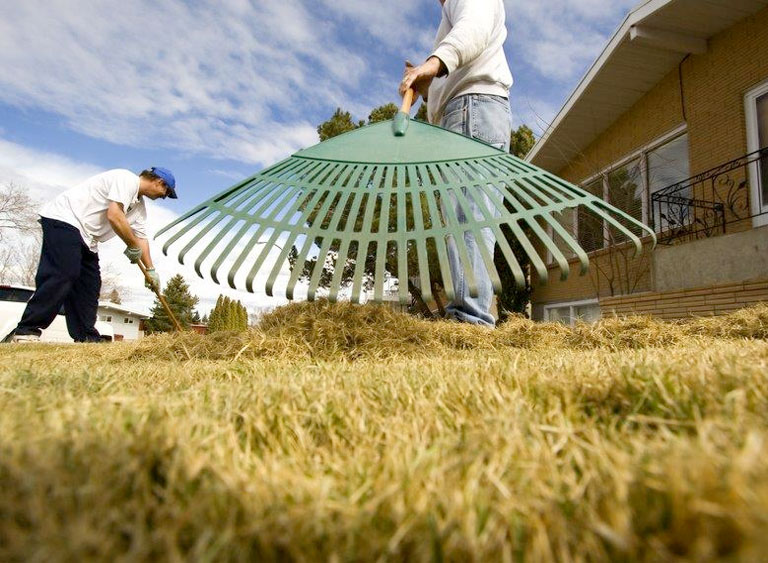
Late-season frosts and early freezes can blacken blades and burst cell walls, turning the turf rubbery and brown. Avoid walking on frozen grass, as pressure can break blades and increase damage. You should wait until the soil thaws before assessing the damage, then rake out the dead material and plan for light overseeding in late spring, rather than immediate heavy treatments.
Frost events can delay recovery for 2–6 weeks. Inspect crowns before reseeding. If crowns are mushy, remove and replace small patches. You can accelerate the comeback by topdressing with a thin layer of compost, aerating compacted spots, and applying a starter fertilizer once soil temperatures consistently reach about 50°F. Avoid heavy nitrogen initially—focus on improving soil contact for seed and maintaining even moisture to support germination and rooting.
Lawn Maintenance Techniques
Importance of Aeration
Anchorage lawns often suffer from winter freeze-thaw and heavy clay compaction, so you should aerate to relieve that pressure: perform core aeration, removing 2–3 inch plugs once a year in early fall or early spring to boost oxygen and water infiltration. If you ask, ‘What are the Most Common Lawn Problems in Anchorage and How Can I Fix Them?‘ aeration frequently resolves thin turf, poor drainage, and shallow roots by allowing roots to grow deeper and reducing runoff.
Proper Mowing Strategies
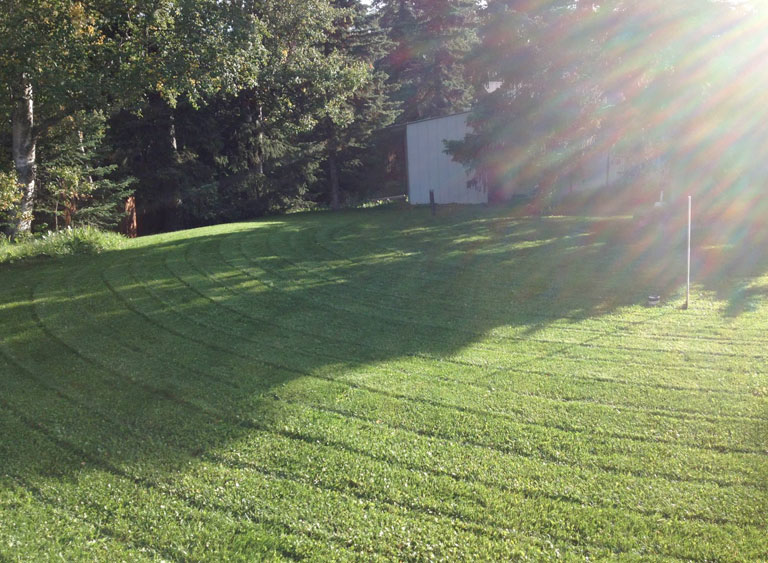
Set your mower to 2.5–3.5 inches for cool-season grasses common in Anchorage. Never cut more than one-third of the blade at a time. Mow weekly during active growth, reducing frequency during drought, and leave clippings to return nutrients unless disease pressure is high.
Choose a sharp blade and alternate mowing patterns to avoid creating ruts. Dull blades tear grass, increasing the risk of disease, while repeated wheel tracks compact the soil. Mow when the grass is dry and avoid mowing below 2.5 inches in spring to prevent scalping, which exposes crowns to late frost. For slopes, use mulching mowers or make light passes to maintain an even height.
Fertilization Best Practices
Base your feeding on a soil test every 2–3 years and aim for slow-release nitrogen split into multiple applications; for established cool-season lawns, target about 2–4 lbs N per 1,000 sq ft per year, with the heaviest application in early fall (late August–September) to strengthen roots before winter.
Aim for a total annual N of 2–4 lbs/1,000 sq ft, applying no more than about 1 lb N/1,000 sq ft per pass to avoid burn. Adjust phosphorus and potassium levels according to soil test results. Apply lime to reach a pH of ~6.0–6.8 if necessary. Use 50–70% slow-release formulations to provide steady feeding while reducing leaching and runoff that can harm local waterways.
Landscape Alternatives
Choosing Hardy Grass Varieties
Opt for cool-season mixes built for Anchorage’s USDA Zone 4 conditions: fine fescues (hard, chewings, and creeping red) blended with a touch of perennial ryegrass perform best in shade and thin soils. You should seed at roughly 4–6 lb/1,000 sq ft, aim for a mowing height of 2.5–3 in, and correct the soil pH to 6.0–7.0 after a soil test to reduce disease and winter heave, which cause many yard failures. What Are the Most Common Lawn Problems in Anchorage and How Can I Fix Them?
Incorporating Native Plants
Plant beds of fireweed (Chamerion angustifolium), Alaska lupine (Lupinus spp.), bunchberry (Cornus canadensis), and native sedges to lower maintenance and boost pollinators; these species handle local freeze‑thaw cycles better than many ornamentals. Transitioning even 20–30% of turf to natives reduces fertilizer and mowing demands while improving habitat for bees and birds.
Establish natives from plugs in spring, after the frost risk has passed, spacing perennials 12–24 inches apart, depending on their mature size. Amend heavy clay with 20–30% compost to improve drainage and root establishment. Mulch 2–3 inches to suppress weeds and retain moisture, and expect reduced watering after the first full season—monitor for local invasives like agrimony and remove by hand to protect native stands.
Exploring Xeriscaping Options
Group plants by water needs, use permeable hardscaping, and choose low-water perennials and grasses, such as hardy sedums and native bunching sedges, to reduce irrigation. Apply 2–3 inches of mulch, install drip irrigation with emitters spaced 12–18 inches apart, and replace high-use turf areas to lower water and mowing demands. Smart design addresses many local problems by reducing fungal disease caused by overwatering.
Design xeriscape zones to allow rain and snowmelt to recharge planted areas. Slope beds away from foundations and use rock swales or gravel basins to manage runoff and prevent frost heave. Expect upfront installation costs to be offset within 2–5 years by lower water bills and maintenance; homeowners who replace 30–50% of their lawn typically see the biggest reductions in watering and time spent mowing.
As a reminder, if you ask, ‘What are the Most Common Lawn Problems in Anchorage and how can I fix them?’ You should focus on addressing poor drainage, dry patches, pests, shade, and compacted soil. Diagnose the issues early, adjust watering as needed, aerate the soil, overseed with cold-tolerant grass, and apply targeted pest or fertilizer treatments to help your lawn recover and stay healthy.
FAQ
Q: What Are the Most Common Lawn Problems in Anchorage and How Can I Fix Them?
A: Common issues are snow mold and fungal diseases after long winters; frost heave and winter kill; compacted soil and poor drainage; moss and shade-related thinning; insect damage (grubs); salt and roadside injury; and bare patches with weeds. Fixes: perform a soil test and adjust pH/nutrients; aerate and overseed with cool-season grasses (e.g., Kentucky bluegrass, perennial ryegrass, fine fescues) in late summer; dethatch and topdress with organic matter; improve grading or drainage; limit late-fall nitrogen and remove debris before snow; treat confirmed pests or fungal outbreaks with targeted products or biological controls; flush or avoid salt exposure near sidewalks and driveways.
Q: How do I identify and treat snow mold and other cold-season fungal diseases?
A: Signs include circular mats of matted, discolored grass (gray, pink, or straw-colored) that appear when snow melts. Treatment: gently rake and separate matted grass to dry it; remove excess thatch and debris; improve air flow by pruning nearby plants; avoid heavy late-fall nitrogen fertilization; apply fungicide in fall only if severe and based on extension or pro recommendations; repair damaged areas by overseeding and topdressing in late summer/early fall.
Q: My lawn stays soggy, and the grass is thin—how do I fix compaction and drainage problems?
A: Symptoms are standing water, spongy turf, and thin or patchy growth. Fixes: core aerate in late summer or early fall to relieve compaction; topdress with compost or sand-organic mix to improve soil structure; regrade low spots or install simple drainage (French drain or swale) if pooling is persistent; reduce foot and vehicle traffic when soil is wet; overseed after aeration to thicken turf and outcompete weeds and moss.
Q: What are the signs of grub or other insect damage, and what are safe treatment options?
A: Look for irregular brown patches that lift like a carpet, birds or skunks digging for grubs, or chewing damage to roots. Confirm by digging a small square and inspecting the soil for C-shaped larvae. Controls: cultural prevention—healthy turf through proper mowing, watering, and overseeding; biological controls such as beneficial nematodes applied in late summer when grubs are young; targeted insecticides if infestations are heavy (follow label timing and safety guidance); repair damaged areas by dethatching, overseeding, and applying starter fertilizer when appropriate.
Q: How can I reduce moss, weeds, and bare spots, especially in shaded areas?
A: Moss indicates shade, acidity, compaction, or poor drainage. Steps: test soil and lime if pH is low; aerate to relieve compaction; improve light by pruning trees and shrubs; apply iron sulfate or a moss control product for visible moss, then rake out dead moss; overseed with shade-tolerant grasses or fescues in late summer; maintain proper mowing height (around 3–3.5 inches), moderate fertilization, and correct watering to encourage dense turf that suppresses weeds; spot-treat stubborn weeds and reseed bare patches after soil preparation.

Jacob Bishop is the founder and CEO of Be Happy Property Services. With a strong background in property management and customer service, Jacob has dedicated himself to creating a company that prioritizes client satisfaction and seamless property experiences. His extensive knowledge and hands-on approach have earned him a reputation for excellence in the industry. Jacob’s passion for real estate and commitment to happy living spaces make him a trusted leader in property services.