
Most homeowners in Anchorage face varying quotes; ask “What are the Average Costs for Lawn Care Services in Anchorage?” You should expect typical ranges of $30–$120 per visit, depending on yard size and service complexity. Be aware of hidden fees and unlicensed contractors that can increase expenses. Consider seasonal contracts and bundled services to save in the long term while ensuring reliable care.
Key Takeaways:
- When considering the Average Costs for Lawn Care Services in Anchorage, it’s crucial to remember that costs can vary widely. Factors such as lawn size, service frequency, scope (mowing vs. full maintenance), and seasonal constraints all play a role. To get the most accurate estimates, it’s best to obtain local quotes.
- Main cost drivers: lawn size and complexity, service frequency, add‑on services (fertilization, aeration, irrigation), access/slope, and local labor and fuel prices.
- Ways to control costs: bundle services or choose seasonal contracts, get multiple estimates, and verify licensing/insurance. And remember, performing simple tasks yourself when feasible can make you feel resourceful and further reduce costs.
Factors Influencing Lawn Care Costs
- What are the Average Costs for Lawn Care Services in Anchorage? — price estimates change based on the following variables
- Type of service (mowing, fertilization, pest control, irrigation)
- Size of the lawn (square footage, slopes, bedded areas)
- Geographic location (neighborhood access, travel time)
- Seasonal considerations (spring cleanup, fall aeration, winter prep)
- Equipment & material costs (specialty treatments, fuel, disposal)
Type of Lawn Care Services
You’ll pay different rates depending on whether you need a single service or a package. Basic mowing typically runs $30–$75 per visit, fertilization costs $50–$150 per application, and comprehensive maintenance packages can range from $100 to $350 per month, depending on frequency and treatments.
Size of the Lawn
Smaller yards under 5,000 sq ft often fall at the lower end of mowing and service rates, while properties over 10,000 sq ft typically use hourly or square-foot pricing; expect a 20–60% increase in cost when moving from small suburban lots to large properties.
Steep slopes, multiple tiers, or extensive planting beds can add labor costs. A 7,500 sq ft lot with steep terrain can push a single mowing visit toward $90–$150, and regular maintenance plans often include per-visit surcharges or minimums that significantly raise the annual bill.
Geographic Location
Your neighborhood in Anchorage affects the cost through travel time and local demand: central areas with easy access usually have lower prices, while remote or hard-to-access locations incur travel fees of $15–$45 per visit and weekend surcharges.
Contractors servicing outlying areas may bundle jobs by zone; if you live in a less populated section, expect fewer providers and seasonal rate adjustments—fuel costs and time between jobs often translate directly into higher quotes for you.
Seasonal Considerations
Peak season (late spring through early fall) brings higher frequency and demand; weekly mowing in summer increases annual spend, while spring cleanups and fall aeration are one-off costs—spring cleanup averages $150–$400, aeration $70–$200.
A heavy spring thaw or late snow can create additional debris removal and reseeding needs, which can increase one-time costs. Contractors may also add surge pricing after extended storms or unusually wet seasons, so it’s essential to plan budgets for these fluctuations.
Equipment and Material Costs
Specialty equipment or materials—such as commercial-grade mowers, topdressed soil, herbicides, or organic fertilizers—will raise quotes. Expect to pay an additional $20–$150 per visit, depending on the treatment intensity and product choice.
When you request organic or certified treatments, labor and product sourcing drive costs higher. For example, switching from standard granular fertilizer to certified organic programs can add 30–60% to per-application prices due to product premiums and handling requirements. Understanding how each factor compounds will enable you to compare bids more intelligently.
Average Costs of Common Lawn Care Services
Mowing Services
For routine mowing in Anchorage, you can expect to pay $30–$75 per visit for a typical suburban lot. Weekly service over a 20–30 week season often totals $600–$2,000. Prices rise for steep slopes, heavy debris, or if you require bagging and hauling; a 0.5-acre property typically pushes rates toward the upper end. You pay for frequency, yard size, and any add‑ons you request.
Fertilization and Soil Treatment
Single fertilization treatments typically cost $40–$80 per application, while a full seasonal program (3–4 visits) usually ranges from $150 to $600, depending on the product type and soil needs. Organic blends increase material costs, while synthetic programs can be less expensive up front but may require more frequent visits.
If you ask “What are the Average Costs for Lawn Care Services in Anchorage?” factor in a $20–$50 soil test, which can change recommendations and total spend; a 0.25‑acre lawn on an organic program might hit $300–$500 per season, whereas a synthetic plan for the same size often lands near $200–$350. Timing matters: spring starter and fall recovery applications achieve the best value.
Aeration and Dethatching
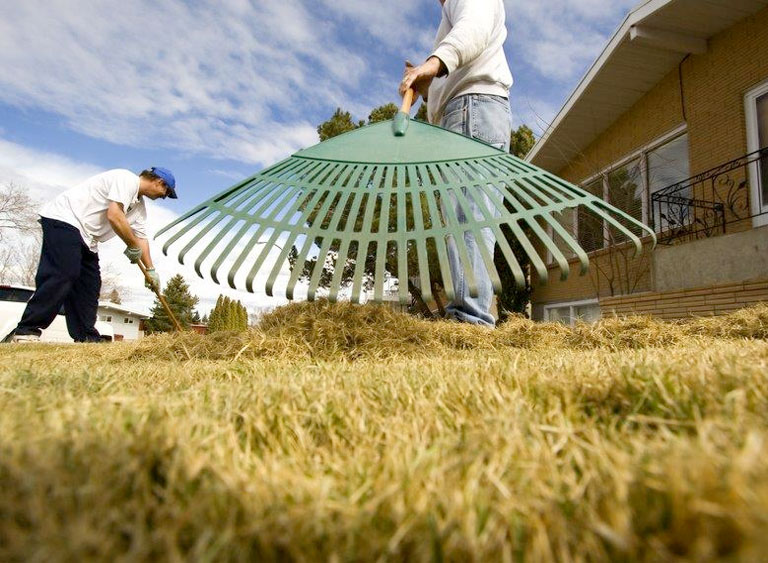
Aeration generally costs $75–$200 per job for typical city lots, with dethatching running $100–$300 when raking and debris removal are required. Many homeowners schedule aeration annually or every other year to relieve compaction and improve root health.
Heavily compacted or clay soils, common in parts of Anchorage, often push you toward core aeration rather than spike aeration. A 0.25–0.5-acre lawn treated professionally typically costs $100–$250 for combined aeration and light dethatching. Follow‑up overseeding and topdressing add $50–$150, but can boost recovery by months.
Pest Control and Weed Management
Spot treatments for weeds or pests typically range from $50 to $150 per visit. In contrast, comprehensive seasonal programs (preventative grub control, broadleaf weed control) run from $200 to $600, depending on frequency and product choice. Identification and targeted treatment reduce repeat costs.
Commercial grub treatments typically cost $75–$200 per application; persistent crabgrass control over a season can increase totals to $300–$500. Because many herbicides and insecticides are regulated, it is recommended to hire licensed applicators for complex infestations—this raises costs but reduces liability and chemical misuse risks.
Landscaping and Design Services
Design consultations start at around $50–$150 per hour or a flat rate of $200–$1,000 for basic plans; implementation costs vary widely—small bed upgrades range from $500–$3,000, while full yard overhauls typically run $5,000–$30,000+ depending on hardscaping, irrigation, and plant selection. You control the scope and budget.
Adding irrigation increases project costs substantially: a simple drip system for beds might be $500–$1,500, while full‑lawn automatic systems often add $2,500–$8,000. Local contractors often bundle design and installation; ask for itemized bids so you can compare materials, labor, and permit needs before committing.
Additional Costs to Consider
Initial Setup and Design Costs
Design consultations in Anchorage typically range from $75 to $150 per hour, with full landscape plans costing between $400 and $2,000, depending on their complexity. Installing new sod typically costs $1.50–$3.50 per sq. ft., while basic bed creation and edging can add several hundred dollars. You’ll pay more for steep slopes, heavy grading, or hauling soil off-site.
Ongoing Maintenance vs. One-Time Services
Weekly mowing packages typically range from $40 to $100 per visit, based on yard size and terrain; monthly fertilization plans add $40 to $80 per treatment. One-time services, such as aeration ($80–$200) or overseeding ($0.08–$0.30 per sq. ft.), are billed separately; therefore, ask contractors for bundled discounts. If you search “What are the Average Costs for Lawn Care Services in Anchorage?”, expect variability by property size and service frequency.
Contracted seasonal packages often lock you into an entire year at a set rate, which can drop per-visit costs by 10–25%. Emergency or off-season calls carry surcharges; fuel and disposal fees may be added to individual jobs. Larger properties with irrigation systems or extensive beds increase labor time, which in turn pushes hourly charges and equipment needs higher.
Seasonal Cleanup and Mulching
Spring and fall cleanups in Anchorage typically cost $150–$600, depending on the volume of debris and the extent of tree cover; mulching installation costs approximately $30–$70 per cubic yard, plus labor. Heavy leaf removal, gutter cleaning, or compost hauling can push a cleanup toward the upper end of that range.
Depth and mulch type alter costs: Organic wood chips, at 2–3 inches, improve moisture retention and soil health but require annual replenishment, while rock mulch has a higher upfront cost and lower maintenance. Accessibility, driveway width for trucks, and disposal fees for green waste are common line items that can add $50–$200 to the total cost.
Irrigation and Water Management
Installing a basic automatic sprinkler system in Anchorage ranges from $2,000 to $6,000 for typical yards; drip systems for beds start at around $500 to $2,500. Smart controllers and moisture sensors, which cost an additional $150–$400, can reduce run time and water bills.
Winterization (blowouts) typically costs $75–$200, while leak detection and repairs range from $100 to $400, depending on the difficulty. Proper zoning and sensor use can often reduce water use by up to 25–35%, lowering long-term irrigation costs and minimizing the risk of frozen-pipe damage in Anchorage winters.
Comparing Lawn Care Service Providers
Provider Comparison at a Glance
| Factor | What to look for |
| Local vs. National | Local: flexible scheduling, negotiable rates; National: standardized contracts, broader insurance and warranty coverage. |
| Service packages | Line-item pricing is available for mowing, fertilization, aeration, and pest control; be aware of potential add-on fees and seasonal surcharges. |
| Reviews & testimonials | Prioritize recent, Anchorage-specific reviews with photos and documented issue resolution. |
| Cost-benefit | Compare per-visit costs to outcomes, such as reduced irrigation and fewer reseeding events, to assess long-term value. |
Local vs. National Companies
Local providers in Anchorage often offer services 5–20% lower than those of national chains due to lower overhead and access to local supplies. You can typically negotiate seasonal discounts directly with the crew lead. If you value direct communication and quick weather-driven adjustments, local firms usually respond faster; if you prefer standardized contracts and larger liability coverage, national companies may offer better protections.
Evaluating Service Packages
Break down every line item—mowing, edging, fertilization, aeration, pest control, and snow cleanup—and ask providers for frequency and unit costs so you can compare apples-to-apples; pose the benchmark question “What are the Average Costs for Lawn Care Services in Anchorage?” to align quotes with neighborhood norms.
You should request a sample invoice that shows seasonal work (for example, biweekly mowing at $40/visit, two fertilizations at $50 each, and fall aeration at $120) so you can calculate the true per-month costs and spot any hidden surcharges, such as fuel or disposal fees, before signing.
Customer Reviews and Testimonials
Seek reviews from Anchorage yards similar in size and slope, and prioritize entries from the past 12 months; you want to see before/after photos and consistent on-time service notes rather than sporadic praise. Recurrent complaints about missed visits or property damage should raise concerns about systemic issues.
You can cross-check Google, Yelp, and local Facebook groups and weigh how the company responds—timely, solution-oriented replies indicate accountability. Aim for an average rating above 4.2 with documented dispute resolutions and examples of corrections made within a week.
Cost-Benefit Analysis
Compare upfront costs to measurable outcomes: improved turf density from proper fertilization can reduce your watering by up to 20%, and regular aeration can extend lawn life, lowering replacement costs. Calculate the annual ROI by estimating the avoided expenses, such as reseeding and irrigation repairs.
You can run a simple projection: if a $600 annual package prevents a $1,200 renovation every five years, that nets roughly $240/year in savings; include time saved and reduced equipment liability to justify paying for higher-quality providers when they deliver documented results.
Tips for Reducing Lawn Care Service Costs
- What are the Average Costs for Lawn Care Services in Anchorage? — Compare quotes from 3–5 providers to spot outliers.
- Shift to shoulder-season bookings and negotiate package deals.
- Combine small DIY tasks with occasional pro visits to lower recurring charges.
DIY Lawn Care Options
You can handle routine mowing, edging, and light fertilization yourself to cut service bills dramatically; a decent self‑propelled mower runs about $400–$1,000, and a 40‑lb fertilizer bag costs $15–$40, so if a pro charges $50–$80 per mow, buying equipment can pay off in one season for midsize yards.
Scheduling Services Wisely
Book major services like aeration in early fall and fertilization in late spring to match Anchorage’s growing window from May to September; providers often offer 5–15% off for off-peak or bundled seasonal bookings.
Peak demand runs June–August, so ask for weekday slots or early‑season appointments to avoid rush premiums; set a predictable cadence — mowing every 7–10 days in peak season, fertilize 1–3 times per year, and aerate once annually — then negotiate a fixed annual rate that caps increases and often yields measurable savings.
Bundling Services for Discounts
Combine mowing, fertilization, and seasonal aeration/overseeding into a single contract to secure discounts; many Anchorage companies offer 10–25% savings compared to purchasing services à la carte.
Request an itemized bundled quote and compare total annual cost vs. individual visits; for example, if single mowing visits cost $50 and fertilization visits are $80, a bundle priced at $900/year for regular service can represent a 20–30% reduction depending on frequency — always check cancellation and scope details before signing.
Investing in Efficient Equipment
Purchase efficient tools — such as battery mowers ($300–$1,200), quality trimmers ($80–$200), and a core aerator rental or manual tool — to lower or eliminate recurring service fees and reduce noise and emissions in your neighborhood.
Do the math: if professional mowing costs $50/visit and you need ~20 visits/year, that’s $1,000. A $600 mower, plus minimal fuel/maintenance, often breaks even in one season, and routine upkeep extends equipment life, avoiding replacement cycles that drive long-term costs higher.
After evaluating costs, scheduling, bundling, and making selective DIY choices, you can substantially reduce your annual lawn care spending while maintaining a healthy Anchorage lawn.
Understanding Lawn Care Service Contracts
Types of Contracts Offered
You’ll commonly find five contract types: one-time, weekly, biweekly, seasonal package, and full-service. Typical Anchorage examples show weekly mowing at about $40–$70 per visit, and seasonal packages often total $1,200–$2,400 for April–October. Compare the inclusion of fertilization, weed control, and snow-clearing add-ons. This clarifies which model aligns with your lawn size and budget.
- What are the Average Costs for Lawn Care Services in Anchorage?
- One-time — single service (spring cleanups, dethatching)
- Weekly — routine mowing/edging
- Seasonal package — bundled services for multiple visits
- Full-service — mowing, fertilization, pest control, irrigation
| One-time | $75–$200 (depends on cleanup scope) |
| Weekly | $40–$70 per visit (average Anchorage residential) |
| Biweekly | $60–$120 per visit (larger yards) |
| Seasonal package | $1,200–$2,400 per season (April–October) |
| Full-service | $2,000+ per season (includes fertilization, pest control) |
Terms and Conditions to Watch For
Scan contracts for automatic renewal, minimum-term commitments, and whether the provider carries liability and workers’ comp insurance; typical minimums run 3–6 months, and deposits often range 25–50% for seasonal starts. Check if service guarantees include rework within 48–72 hours. This protects your property and budget from unexpected charges.
Look for: clauses that allow price increases mid-season (some companies reserve the right to raise rates with 30 days’ notice), strict indemnity language shifting damage liability to you, and required vendor access agreements for gated properties. Ask for written limits on chemical applications and a clear dispute-resolution process; insist that cancellation terms and refunds be explicit and that proof of insurance be attached as an exhibit.
Cancellation and Refund Policies
Most providers require written notice—typically 30 days—for cancellations; deposits may be non-refundable if work has already been scheduled or materials have been purchased. Prorated refunds for unused services are typical but not guaranteed. This indicates the level of risk you assume if plans change mid-season.
Confirm whether the company charges an early-termination fee (often one or two service payments or a flat $100–$300), and how they calculate prorated refunds (daily vs. per-visit basis). For prepaid annual contracts, request a sample refund calculation and insist on credits for missed visits due to provider no-shows or weather-related cancellations. Keep documentation of all payment dates and service logs to support any refund claim.
Long-Term Commitment vs. Flexibility
Annual contracts can save you 10–20% compared with pay-as-you-go, and may lock in rates for the season, but they often include early-exit penalties; month-to-month or per-service options give you flexibility at a higher per-visit cost. This trade-off lets you weigh savings against your tolerance for commitment and seasonal uncertainty.
Quantify the break-even point: if an annual package saves 15% and your expected annual spend is $1,800, you’d save $270 but might forfeit a deposit if you cancel—calculate potential savings versus cancellation exposure. For unpredictable schedules or when planning landscaping changes, consider rolling contracts. For stable maintenance and winter services, a long-term contract with an annual rate cap may be the better financial choice.
Final Words
Following this, you can confidently assess what to expect and budget, and answer: What are the Average Costs for Lawn Care Services in Anchorage? Use your property’s size, service frequency, and local quotes to set realistic expectations and choose contractors who provide transparent estimates and reliable service.
FAQ
Q: What are the Average Costs for Lawn Care Services in Anchorage?
A: Average costs vary by service and property size. Typical per-visit mowing for a standard residential lot in Anchorage ranges from $40 to $100. Weekly or biweekly maintenance packages average $80 to $200 per visit, depending on the lawn size and scope. Fertilization applications generally cost $50 to $120 per treatment, while spring or fall aeration typically ranges from $80 to $250. Overseeding or full lawn renovation projects can range $150 to $600 or more. Snow removal and winter services are priced separately, often on a per-event or seasonal-contract basis. Expect final pricing to reflect travel, fuel, local labor rates, and factors specific to the short growing season in Anchorage.
Q: What factors most affect lawn care pricing in Anchorage?
A: Major factors include lawn square footage, terrain complexity (slopes, trees, obstacles), service frequency, and the mix of services (mowing vs. fertilization vs. aeration vs. pest control). Seasonal constraints—such as a shorter growing season and limited workable months—can concentrate demand and raise rates. Property accessibility, gate codes, long driveways, and distance from service providers can all increase travel time and fees. Equipment needs (such as commercial mowers, aerators, and snow plows) and insurance/licensing costs also influence quotes.
Q: How can homeowners get accurate estimates for lawn care costs?
A: Provide providers with exact lawn square footage, photos, or a site visit request, and a clear list of desired services and frequency. Request itemized written estimates that break down the cost per service and include any applicable travel or disposal fees. Compare at least three local bids and check references, license, and insurance proof. Request seasonal package pricing and inquire about how price changes are handled if extra work (such as weed control, pest outbreaks, or emergency repairs) becomes necessary.
Q: What are common cost-saving strategies for lawn care in Anchorage?
A: Bundle services into seasonal contracts to lower per-service rates and secure regular scheduling. Opt for targeted treatments (spot weed control) instead of full-lawn chemical applications when possible. Time aeration and overseeding for optimal results, reducing the need for repeat treatments. Share service blocks with neighboring properties if a provider offers reduced travel fees. Maintain basic mowing and edging between professional visits to reduce labor time billed. Ask about discounts for prepaying a season or signing multi-year maintenance agreements.
Q: What should be included in a lawn care contract or scope of work to avoid unexpected costs?
A: The contract should list specific services, frequency, start and end dates, and per-service or total seasonal cost. Include a clear policy on additional charges (e.g., debris removal, stump grinding, pest outbreaks), cancellation and rescheduling terms, payment schedule, and procedures for scope changes. Verify the provider’s licensing, proof of insurance, and workers’ compensation coverage. Confirm warranty or satisfaction guarantees for treatments and an inspection/cleanup clause after each visit to ensure expected standards are met.

Jacob Bishop is the founder and CEO of Be Happy Property Services. With a strong background in property management and customer service, Jacob has dedicated himself to creating a company that prioritizes client satisfaction and seamless property experiences. His extensive knowledge and hands-on approach have earned him a reputation for excellence in the industry. Jacob’s passion for real estate and commitment to happy living spaces make him a trusted leader in property services.