Has your garden been neglected for a while? Whether you’ve recently moved into a new home with an overgrown yard or your once-thriving garden has been left untended, there’s a remarkable transformation waiting to happen. A neglected garden might seem overwhelming at first glance, but with the right approach and thoughtful planning, you can turn it into a flourishing and vibrant space. Here are seven effective tips for rejuvenating a neglected garden and turning it into your personal outdoor sanctuary.
1. Assess the Situation and Make a Plan
Before you start ripping out plants or cutting back overgrown bushes, take some time to assess the current state of your garden. Walk around your outdoor space and note the plants that have survived, those that are beyond saving, and areas that might need extra care or improvements. Consider the amount of sunlight each section receives, soil conditions, and existing structures like pathways, fences, or garden beds.
Once you have a clear understanding of what you’re working with, make a plan. Decide which plants to keep, what needs removing, and how you’d like to redesign the space. This initial evaluation and planning phase will save time and effort as you start the actual work.
2. Clear Out Debris and Overgrown Vegetation
Overgrown gardens often have dead plants, fallen leaves, broken branches, and weeds taking over. Start by removing debris to create a clean slate. Pull out weeds by the roots to prevent them from regrowing, and trim back shrubs and bushes that have taken over. If any trees or large plants have grown out of control, consider pruning them back or hiring a professional arborist if the job is too big or dangerous.
As you work, be mindful of any valuable plants or hidden treasures, like bulbs, that might be worth saving. Clearing out the overgrowth will make your garden look significantly better and give you a clearer view of the layout.
3. Test and Improve Your Soil
Years of neglect can leave garden soil depleted of nutrients, compacted, or in poor condition. Testing your soil is a crucial step to understanding its pH level and nutrient content. This information can help you choose the right plants that are suitable for your soil conditions, ensuring their healthy growth. You can purchase a soil testing kit from a garden center or send a sample to a local agricultural extension for a comprehensive analysis.
Once you know your soil’s condition, enrich it with organic matter such as compost, well-rotted manure, or quality topsoil. Loosen the soil with a fork or tiller to improve drainage and aeration, especially in compacted areas. Healthy, nutrient-rich soil is the foundation for any successful garden, so don’t skip this important step.
4. Revive Your Lawn
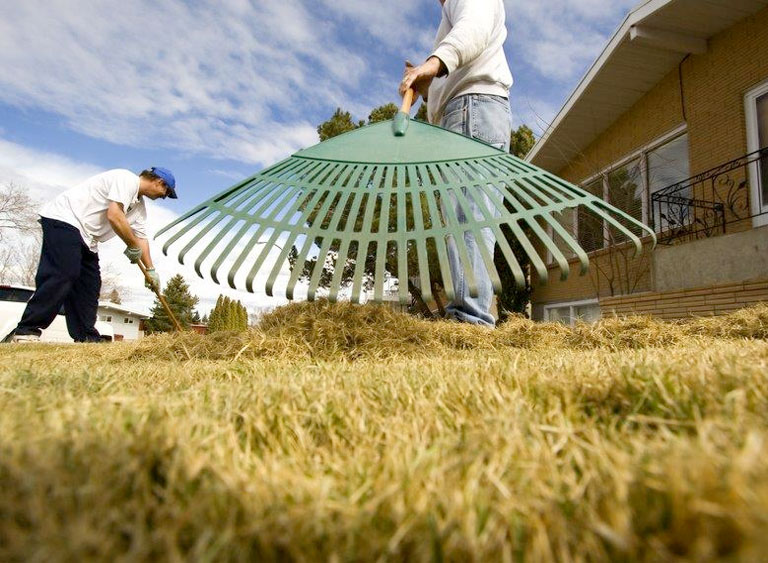
A patchy, weed-infested lawn can make the entire garden look neglected. Start by mowing the grass to a manageable height, then use a rake to remove thatch and aerate the soil. If large areas of your lawn are beyond repair, consider reseeding or laying down new turf. To combat weeds, apply an appropriate herbicide or dig them out manually.
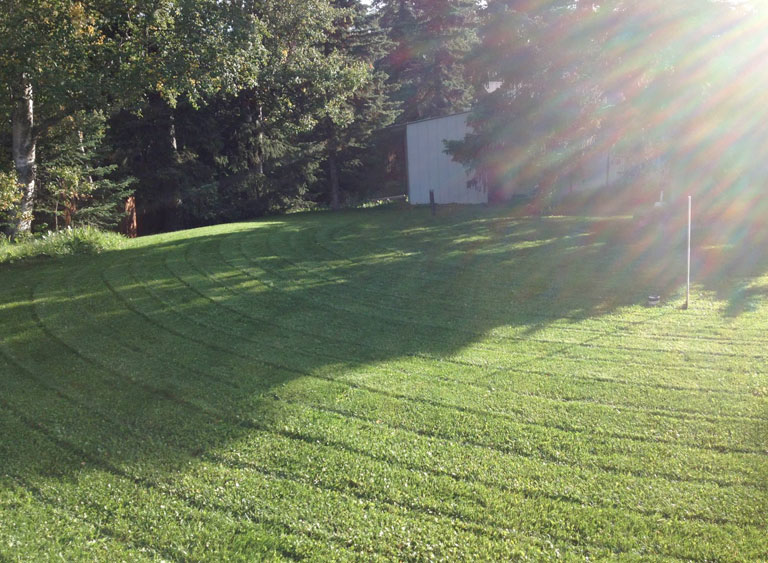
Fertilizing the lawn can give it a boost, but make sure to use the right type for your grass variety and climate. Water the lawn deeply and consistently to help it recover, especially during dry spells. With some patience and consistent care, you’ll soon see your lawn transform from dull and patchy to lush and green.
5. Prune and Shape Existing Plants
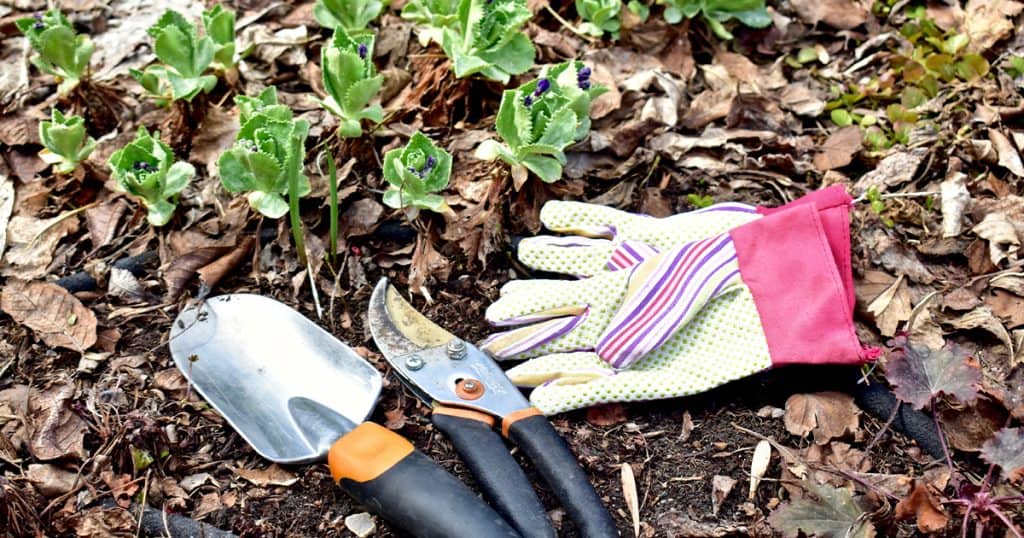
Many overgrown gardens have shrubs, trees, and perennials that have become unruly. Pruning is essential to improve their appearance and encourage healthy new growth. Use sharp, clean tools to cut away dead, diseased, or crossing branches, and shape plants to give them a more attractive form. Be cautious to avoid over-prune, as removing too much foliage at once can stress the plant.
For flowering shrubs, research the best time of year to prune based on their blooming cycle to avoid cutting off buds and missing out on flowers. If you’re unsure how to prune certain plants, plenty of online resources and gardening books can guide you through the process.
6. Reintroduce New Plants Thoughtfully
Once you’ve cleared out the old and unhealthy vegetation, it’s time to reintroduce new plants to rejuvenate your garden. Choose a mix of perennials, annuals, and shrubs that suit your climate, soil conditions, and the level of sunlight in each garden bed. Group plants with similar water and light needs together to make maintenance easier.
To add visual interest, consider layering plants of different heights and using a combination of colors and textures. Native plants, such as coneflowers, black-eyed Susans, and butterfly bushes, are a great option, as they typically require less maintenance and attract local wildlife. If you’re starting from scratch in some areas, focus on creating a simple yet cohesive planting design that’s easy to manage.
7. Add Finishing Touches to Elevate Your Garden
The final step in rejuvenating a neglected garden is to add those special touches that make the space feel complete. Mulch around your plants to retain moisture, suppress weeds, and give garden beds a neat, finished look. Install or repair pathways and edging to define different areas and make navigating the garden easier.
Consider adding features like a birdbath, outdoor seating, or decorative pots and planters. Even small details, like solar lights or a trellis with climbing plants, can have a big impact on the overall aesthetic. Personalize your garden to reflect your style and create a space where you love spending time.
Rejuvenating a neglected garden is a rewarding endeavor that requires some effort, but the results are well worth it. You can transform your garden into a beautiful, vibrant oasis by taking the time to assess your space, clear out the overgrowth, improve soil quality, revive your lawn, and carefully introduce new plants. Remember to be patient with the process, as it may take a growing season or two to see the full potential of your hard work. Dedication and thoughtful planning can make your once-forgotten garden a flourishing, serene retreat.
Remember to maintain your garden regularly, water your plants, and watch for signs of pests or diseases. Your garden will continue to thrive and bring you joy with consistent care. Be Happy Property Services is here to offer professional assistance and expert advice, ensuring a seamless garden transformation. Trust us to help you achieve the lush garden of your dreams with precision and care.

Jacob Bishop is the founder and CEO of Be Happy Property Services. With a strong background in property management and customer service, Jacob has dedicated himself to creating a company that prioritizes client satisfaction and seamless property experiences. His extensive knowledge and hands-on approach have earned him a reputation for excellence in the industry. Jacob’s passion for real estate and commitment to happy living spaces make him a trusted leader in property services.