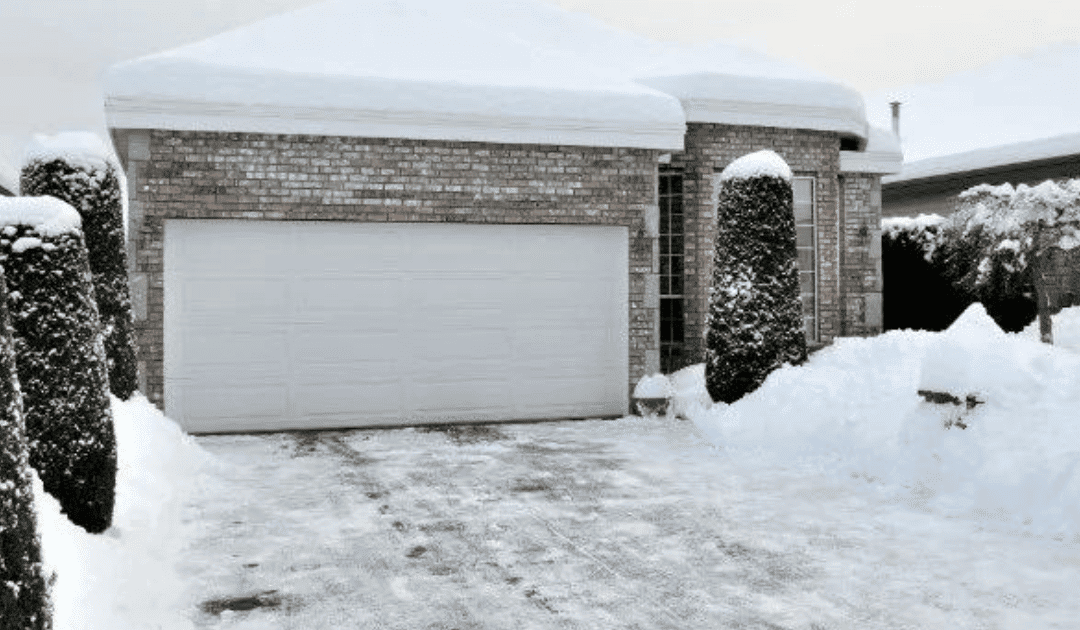
Winter can turn your driveway into a slippery, hazardous zone, but with the right strategies, you can keep it safe and accessible all season. As a leading landscaping service, Be Happy Property Services shares essential tips for thawing your driveway—no matter the material—while protecting your property from long-term damage.
The Hidden Dangers of Ice and Snow
Ice and snow aren’t just inconvenient—they can pose serious safety risks and cause lasting harm to your driveway. Slippery surfaces increase the chance of falls, while repeated freezing and thawing can crack or break up your driveway’s surface. Concrete, asphalt, pavers, and gravel each react differently to ice, so understanding these differences is the first step to effective winter care.
How Different Driveway Materials Respond to Ice
-
Concrete: Prone to cracking and spalling as water seeps into tiny gaps and expands when frozen. Regular sealing helps reduce this risk.
-
Asphalt: More flexible, but still vulnerable to cracks and potholes after repeated freeze-thaw cycles. Sealing and patching before winter is key.
-
Pavers and Gravel: Less likely to crack, but can shift or settle if the ground beneath freezes and thaws unevenly.
Knowing your driveway’s material helps you choose the best thawing method and products.
Choosing the Best De-Icing Solutions
Selecting the right de-icer is critical for both safety and surface protection. Here are the most effective options:
-
Rock Salt (Sodium Chloride): Inexpensive and widely available, but can damage concrete and harm plants and pets. Best for temperatures above 20°F.
-
Calcium Chloride: Works in much colder temperatures (down to -25°F) and is gentler on surfaces, though more expensive.
-
Magnesium Chloride: Environmentally friendly and effective at very low temperatures, with less risk to concrete and vegetation.
-
Potassium Acetate: Highly effective and safe for sensitive areas, but costly.
Always check the temperature and environmental impact before applying any de-icer.
Smart Thawing Techniques for Every Homeowner
-
Pre-Treatment: Apply liquid de-icer before a storm to prevent ice from bonding to your driveway. This makes snow removal much easier.
-
Shoveling and Snow Blowing: Clear snow as soon as possible to avoid packed ice. Use plastic or aluminum shovels to minimize surface damage.
-
Traction Aids: Sand or kitty litter can provide instant traction on icy patches, though they don’t melt ice.
-
Homemade De-Icers: Mixtures of water and rubbing alcohol or vinegar can work for small areas, but commercial products are more reliable for heavy ice.
When to Call a Professional
For large driveways or severe ice buildup, professional ice management services offer faster, safer results. Experts use specialized equipment and environmentally friendly products to clear your driveway efficiently. Heated driveway systems are also an option for those seeking a hands-off solution, especially for new installations.
Year-Round Maintenance for Winter Readiness
-
Seal Cracks: Fill and seal cracks before winter to prevent water infiltration.
-
Check Drainage: Make sure gutters and downspouts direct water away from your driveway.
-
Trim Vegetation: Keep trees and shrubs trimmed to allow sunlight to melt ice naturally.
These steps help minimize ice formation and reduce the need for de-icers.
Eco-Friendly Thawing Practices
Opt for magnesium chloride or potassium acetate for a safer, greener approach. Avoid excessive use of rock salt, which can harm your lawn and local waterways. Always follow manufacturer instructions to protect your property and the environment.
Frequently Asked Questions
1. What’s the safest way to thaw a concrete driveway?
Use magnesium chloride or potassium acetate, which are less corrosive and less likely to damage concrete. Avoid rock salt, as it can cause cracking and spalling. Pre-treat your driveway before storms and clear snow promptly for the best results.
2. Are there eco-friendly alternatives to rock salt?
Yes, magnesium chloride and potassium acetate are less harmful to plants and pets. Sand provides traction but doesn’t melt ice. Homemade solutions like vinegar or rubbing alcohol can be used for small areas, but commercial eco-friendly de-icers are more effective for larger spaces.
3. How often should I clear snow from my driveway?
Clear snow as soon as possible after each storm. Delaying removal allows snow to pack down and turn into ice, which is harder to remove and more damaging to your driveway. Regular shoveling or snow blowing keeps your driveway safe and accessible.
4. Are heated driveways worth the investment?
Heated driveway systems are a significant investment but can save time and effort by preventing ice buildup. They’re especially useful for new driveways or areas with frequent heavy snowfall. For existing driveways, regular maintenance and professional ice management may be more cost-effective.
5. What’s the best way to prevent ice buildup on my driveway?
Seal cracks and ensure proper drainage before winter. Trim nearby trees and shrubs to allow sunlight to melt ice naturally. Clear snow promptly and use eco-friendly de-icers as needed. Regular maintenance is the key to a safe, ice-free driveway.

Jacob Bishop is the founder and CEO of Be Happy Property Services. With a strong background in property management and customer service, Jacob has dedicated himself to creating a company that prioritizes client satisfaction and seamless property experiences. His extensive knowledge and hands-on approach have earned him a reputation for excellence in the industry. Jacob’s passion for real estate and commitment to happy living spaces make him a trusted leader in property services.