While “landscaping” and “gardening” are often used interchangeably, they represent two distinct disciplines in outdoor design and care. Both are essential for crafting inviting, functional, and visually appealing yards, but they differ in scope, purpose, and technique. Recognizing these differences helps homeowners and property managers make strategic choices that maximize both beauty and usability in their outdoor environments.
What Exactly Is Landscaping?
Landscaping is the art and science of shaping and organizing outdoor spaces to create cohesive, structured environments. It goes beyond planting and focuses on the overall design, layout, and construction of the property.
Core Elements of Landscaping
-
Design & Planning: Landscaping starts with a vision—whether it’s a serene retreat, a functional entertainment area, or a sustainable ecosystem. This involves site analysis, conceptual sketches, and detailed blueprints.
-
Terrain Modification: Landscapers may grade, level, or sculpt the land to improve drainage, accessibility, or aesthetic appeal.
-
Hardscaping: Permanent features such as patios, walkways, retaining walls, decks, pergolas, and water features are integral to landscaping. These structures provide the “bones” of your outdoor space.
-
Infrastructure: Landscaping often includes installing irrigation systems, outdoor lighting, and drainage solutions for long-term functionality.
When to Choose Landscaping
Landscaping is ideal when your yard needs structural changes, such as leveling uneven ground, adding pathways, or building outdoor living areas. It’s typically a one-time or infrequent investment, with results that last for years.
What Exactly Is Gardening?
Gardening is the ongoing process of cultivating, maintaining, and nurturing plants within an outdoor space. It brings color, fragrance, and life to your yard and is more focused on living elements than on structural design.
Core Elements of Gardening
-
Plant Selection: Gardeners choose plants based on climate, soil, sunlight, and personal preference. This includes flowers, shrubs, trees, vegetables, and herbs.
-
Planting & Maintenance: Tasks include sowing seeds, transplanting, pruning, watering, fertilizing, mulching, and pest management.
-
Seasonal Care: Gardening is a year-round activity, with tasks varying by season—spring planting, summer watering, autumn harvesting, and winter planning.
When to Choose Gardening
Gardening is perfect for adding life and vibrancy to an existing landscape. It’s an ongoing process that allows for creativity and personal expression.
How Landscaping and Gardening Differ
| Aspect | Landscaping | Gardening |
|---|---|---|
| Scope | Large-scale, property-wide design | Plant-focused, localized care |
| Duration | Long-term, infrequent projects | Ongoing, seasonal tasks |
| Skills Needed | Design, engineering, construction | Plant biology, soil science, pest control |
| Tools | Heavy machinery, construction tools | Hand tools (pruners, spades, trowels) |
| End Goal | Functional, organized, visually appealing space | Beauty, biodiversity, plant health |
Landscaping sets the stage, while gardening fills it with life and color. Both are crucial for a balanced, thriving outdoor environment.
The Synergy of Landscaping and Gardening
Landscaping and gardening are not competitors—they’re partners. After landscaping establishes the structure and layout, gardening brings the space to life with carefully chosen plants, flowers, and trees. Together, they create outdoor spaces that are both practical and beautiful.
Examples of Synergy
-
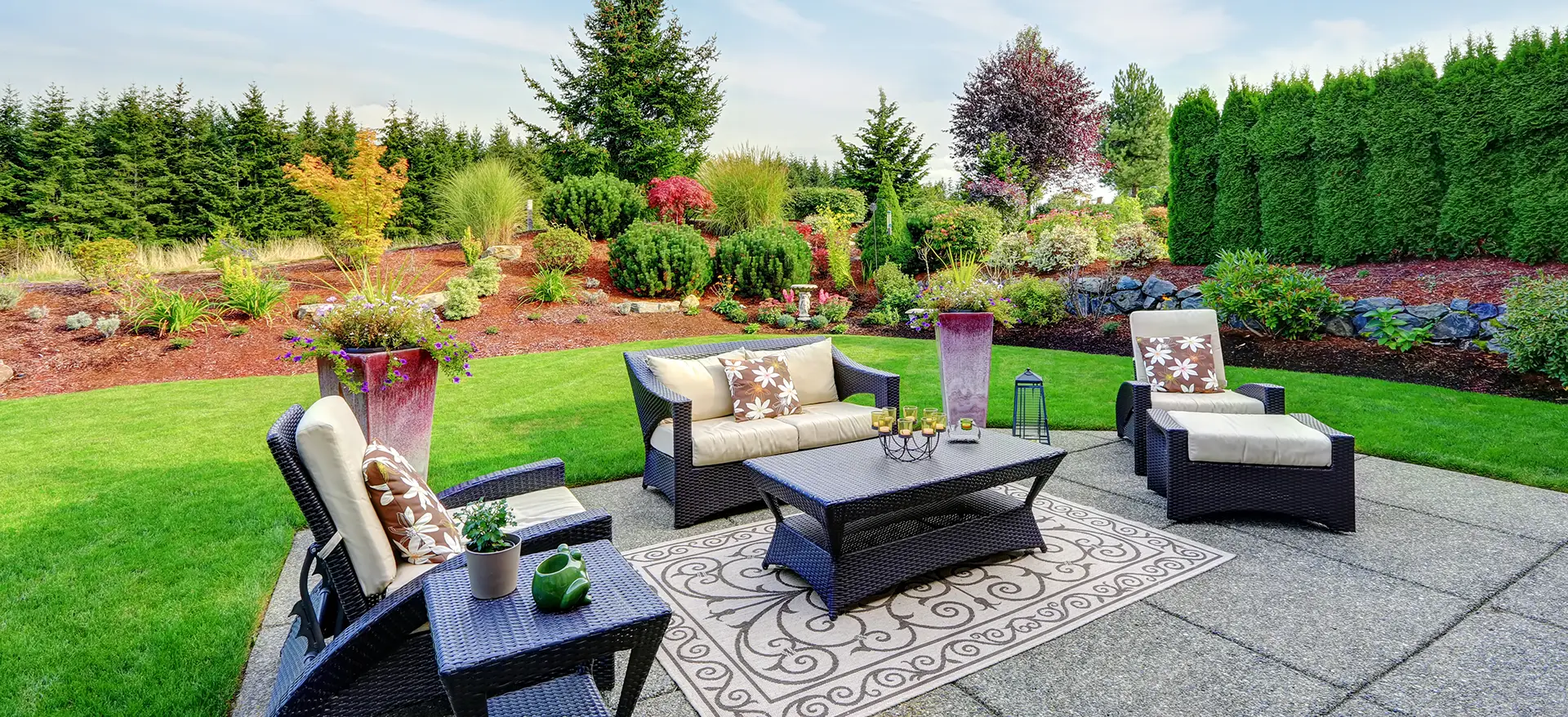
A newly installed patio (landscaping) can be softened with container gardens or flower beds (gardening).
-
Retaining walls can be adorned with cascading vines or colorful shrubs.
-
Water features become focal points when surrounded by lush plantings.
Popular Landscaping Styles and Gardening Pairings
-
Formal Landscapes: Symmetrical layouts, geometric shapes, classical features, manicured lawns, topiary, rose gardens, and seasonal flower beds.
-
Cottage Gardens: Curved paths, rustic fences, informal seating, dense plantings of perennials, annuals, herbs, and vegetables.
-
Modern/Minimalist Landscapes: Clean lines, minimal ornamentation, architectural plants, succulents, ornamental grasses.
-
Native and Wildlife Gardens: Naturalistic layouts, native plants, pollinator-friendly flowers, habitat features.
-
Japanese Gardens: Ponds, bridges, stone lanterns, bonsai, moss gardens, flowering cherries, bamboo.
Sustainability in Landscaping and Gardening
Modern practices emphasize sustainability:
-
Drought-tolerant plants to reduce water use.
-
Permeable paving for stormwater management.
-
Composting to recycle garden waste.
-
Rainwater harvesting for irrigation.
Choosing the Right Approach for Your Lifestyle
-
Busy Homeowners: Opt for low-maintenance landscaping and drought-tolerant plants.
-
Garden Enthusiasts: Design spaces for experimentation and join local gardening clubs.
-
Families: Create play areas, vegetable gardens, and wildlife habitats.
-
Entertainers: Design outdoor kitchens, fire pits, and use fragrant flowers for ambiance.
The Future of Landscaping and Gardening
Trends shaping the future include smart gardens with automated irrigation, edible landscapes, pollinator gardens, and climate-resilient designs.
Frequently Asked Questions
1. Should I landscape or garden first?
Start with landscaping if your yard needs structural changes, such as leveling terrain or adding hardscaping features. Once the framework is in place, gardening can fill the space with plants and seasonal interest. However, some gardening can be done alongside landscaping, especially in areas not affected by construction. This phased approach ensures a stable foundation for your plants and avoids damage to new installations.
2. Can I do landscaping and gardening myself?
Many homeowners successfully tackle gardening and small landscaping projects themselves. For large-scale landscaping, complex designs, or projects involving construction, it’s wise to consult a professional. Gardening is often a rewarding DIY activity, but you can also hire help for tasks like pruning, planting, or pest control. Professionals bring expertise, save time, and help avoid costly mistakes.
3. How do I select plants for my yard?
Consider your local climate, soil type, sunlight exposure, and water availability. Native plants are usually a safe bet, as they are adapted to your region. Consult with local nurseries or horticulturists for recommendations, and pay attention to plant labels for care instructions. Proper plant selection ensures healthy growth and reduces maintenance.
4. What’s the difference between hardscaping and softscaping?
Hardscaping refers to the non-living elements of landscaping, such as patios, walkways, walls, and water features. Softscaping involves the living elements—plants, trees, shrubs, and lawns. Both are essential for a balanced landscape design. Hardscaping provides structure and function, while softscaping adds beauty and life.
5. How can I make my garden more sustainable?
Use native and drought-tolerant plants to conserve water. Mulch to retain moisture, compost garden waste, install rain barrels for irrigation, and avoid chemical pesticides or fertilizers. Sustainable gardening and landscaping practices help conserve resources, support local wildlife, and reduce environmental impact. These steps create a healthier, more resilient outdoor space.

Jacob Bishop is the founder and CEO of Be Happy Property Services. With a strong background in property management and customer service, Jacob has dedicated himself to creating a company that prioritizes client satisfaction and seamless property experiences. His extensive knowledge and hands-on approach have earned him a reputation for excellence in the industry. Jacob’s passion for real estate and commitment to happy living spaces make him a trusted leader in property services.