When it comes to home improvements, repairs, or renovations, selecting the right professional can make all the difference in the success and safety of your project. Whether you’re updating a single room or tackling a major overhaul, understanding your options—handymen versus licensed contractors—will help you make a confident decision for your property.
Handyman: The Go-To for Minor Fixes
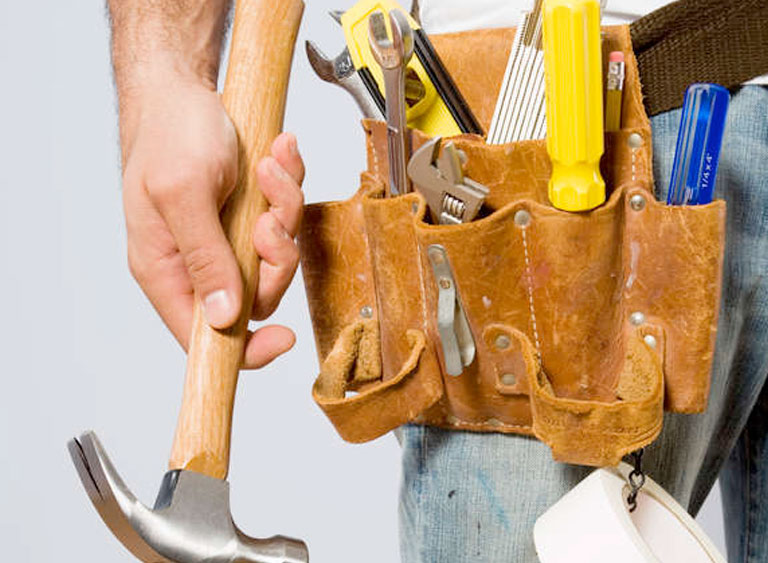
A handyman is a skilled multi-tasker who can handle a wide range of small-scale home tasks. They are ideal for:
-
Fixing minor plumbing and electrical issues
-
Basic carpentry, painting, and installation jobs
-
Seasonal maintenance like gutter cleaning and pressure washing
Handymen are often more affordable and flexible than contractors, making them a popular choice for routine household repairs and quick fixes. However, their expertise is best suited for jobs that don’t require building permits or major structural changes.
Licensed Contractor: Expertise for Major Projects
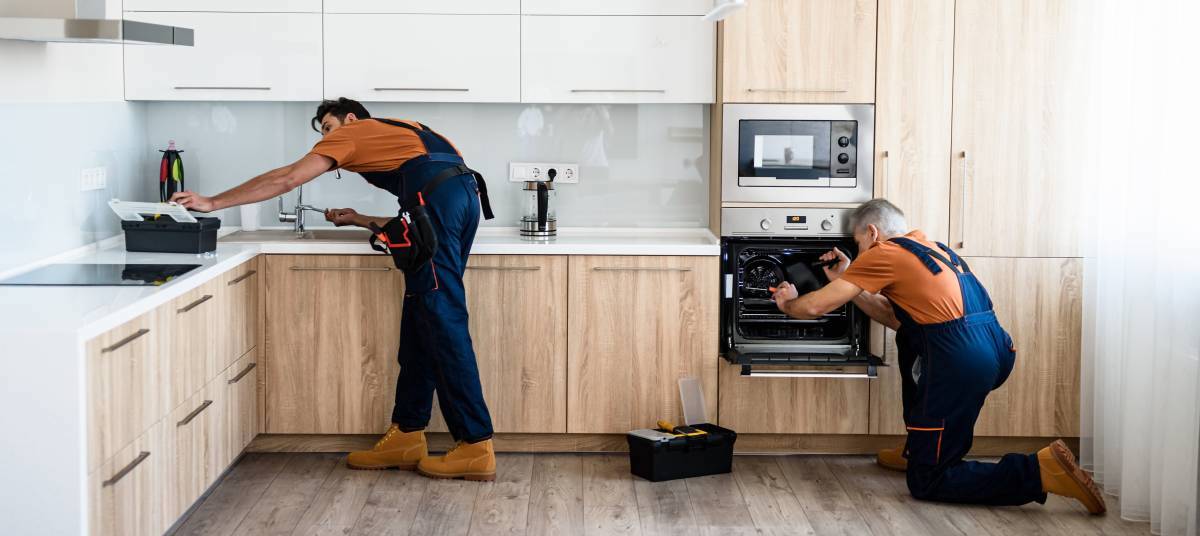
A licensed contractor is a professional who has passed rigorous training and certification requirements set by local or state authorities. They are equipped to manage:
-
Major renovations and structural modifications
-
Projects that require permits and inspections
-
Specialized work such as electrical, plumbing, HVAC, or roofing
Licensed contractors are required to carry liability insurance and bonding, providing homeowners with legal and financial protection. Their experience and resources allow them to oversee complex projects and ensure compliance with local building codes.
Factors to Guide Your Decision
Project Size and Scope
-
Handyman: Best for minor repairs, painting, basic carpentry, and simple plumbing or electrical work.
-
Contractor: Necessary for large-scale renovations, structural changes, multi-room remodels, and any project requiring permits.
Permits and Regulations
Many significant projects, such as bathroom remodels or home additions, require permits. Only licensed contractors can legally obtain these permits and ensure your project meets local building codes.
Insurance and Liability
Licensed contractors must carry liability insurance and workers’ compensation, protecting homeowners from financial risks if accidents occur. Handymen may have some insurance, but it’s important to confirm their coverage before hiring.
Budget and Timeframe
Handymen are typically more cost-effective for small jobs and can often complete work more quickly. Contractors may charge more, but they are better equipped to manage large projects efficiently and on schedule.
Matching the Right Professional to Your Project
Everyday Repairs and Maintenance
For tasks like tightening door hinges, fixing leaky faucets, patching drywall, or installing a light fixture, a handyman is usually the best fit. These jobs are quick, don’t require permits, and won’t affect your home’s structural integrity.
Mid-Level Upgrades
Projects like replacing flooring, remodeling a bathroom without major plumbing changes, or updating a deck may be handled by either a skilled handyman or a contractor, depending on complexity. For example, refinishing a deck is a handyman’s job, but building a new deck with complex footings requires a licensed contractor.
Major Construction and Structural Work
If your project involves load-bearing walls, major rewiring, relocating plumbing lines, or building an addition, a contractor is essential. These jobs are highly regulated and require careful planning, permits, and inspections.
Specialty Trades
Specific tasks such as installing or repairing air conditioning systems, new roofing, or advanced electrical work should be handled by specialty contractors with focused training and proper licenses.
Practical Tips for Choosing the Right Pro
Research and Verify Credentials
Ask for recommendations from friends and neighbors, read online reviews, and request references. Check the status of a contractor’s license through your state’s licensing board.
Compare Multiple Quotes
Get quotes from at least two or three professionals for larger projects. Compare prices, timelines, and the scope of work to ensure you’re getting a fair deal.
Get Everything in Writing
Request a detailed agreement outlining the work, timeline, payment terms, and warranties. A written contract helps prevent misunderstandings and sets clear expectations.
Confirm Permits and Inspections
Ensure that all necessary permits are obtained before work begins. Unpermitted work can create problems if you ever sell your home or face an inspection.
Maintain Open Communication
Keep in touch throughout the project. Ask questions, request updates, and address any concerns promptly.
Inspect the Finished Work
Do a final walkthrough to ensure all tasks are completed to your satisfaction. Confirm that all required inspections have been passed.
Frequently Asked Questions
1. What’s the difference between a handyman and a licensed contractor?
A handyman is skilled in various small repairs and maintenance tasks, while a licensed contractor is trained and certified to handle complex, regulated projects that require permits and specialized expertise.
2. What are the risks of hiring a handyman for a major project?
Hiring a handyman for projects that require a licensed contractor can lead to code violations, insurance issues, and lack of legal protection. Major work should always be handled by a licensed professional.
3. Are there legal limits on what a handyman can do?
Most states limit the type and value of work a handyman can perform without a license. Handymen cannot legally handle jobs that require permits or specialized trades, and exceeding these limits can result in fines or the need to redo the work.
4. How does insurance differ between handymen and contractors?
Licensed contractors are required to carry liability insurance and workers’ compensation, providing homeowners with greater protection. Handymen may have some insurance, but coverage can be limited.
5. When is a handyman the best choice?
A handyman is ideal for small, straightforward tasks that don’t require permits or specialized expertise. For jobs that involve safety, compliance, or significant investment, a licensed contractor is the better option.

Jacob Bishop is the founder and CEO of Be Happy Property Services. With a strong background in property management and customer service, Jacob has dedicated himself to creating a company that prioritizes client satisfaction and seamless property experiences. His extensive knowledge and hands-on approach have earned him a reputation for excellence in the industry. Jacob’s passion for real estate and commitment to happy living spaces make him a trusted leader in property services.