When it comes to safeguarding your home and landscape, few things are as crucial (yet often neglected) as proper grading. Grading, the process of shaping the land around your property to direct water away from structures, is a key defense against the numerous problems caused by poor drainage—such as flooded basements, eroded soil, and cracked foundations. Neglecting proper grading can lead to costly repairs, but with some knowledge and well-planned steps, homeowners and property managers can prevent these issues from escalating. In this comprehensive guide, we’ll delve into the fundamentals of proper grading, identify common warning signs of inadequate drainage, and present proven strategies for keeping water where it belongs—far away from your home’s foundation.
Imagine stepping into your basement during a heavy rainfall only to find that water has begun seeping through tiny cracks in the walls. You may notice pools of stagnant water around your yard or your driveway floods after every downpour. These scenarios point to a deeper problem: improper drainage. As a homeowner or property manager, you have the power to address these issues before they escalate. Water is a potent force capable of causing significant, long-term damage when it doesn’t have a clear path to flow away from your property.
At its core, drainage is all about safely directing water from high areas to lower areas. Water can pool around the foundation if the ground around your home slopes or grades inward. Over time, this leads to mold growth, damage to your home’s structural integrity, and other complications that can cost thousands of dollars to fix. However, proper grading is one of the simplest, most effective ways to mitigate these hazards. By understanding and implementing good grading practices, you not only protect your home but also safeguard landscaping investments, prevent soil erosion, and maintain your property’s overall health and beauty, saving you from potential financial burdens.
This blog post explores grading in detail: the importance of a proper slope, common drainage problems, and a step-by-step approach for improving your yard’s grading. We’ll also discuss various additional drainage solutions that complement good grading practices. Whether you’re a new homeowner looking to prevent future issues or have already encountered water troubles, understanding grading is your ticket to a dry, stable, and secure property.
1. The Importance of Drainage and Why Grading Matters
Before discussing methods to correct or improve grading, it’s vital to understand why drainage is so critical. Water, by nature, flows along the path of least resistance. In a perfect scenario, that path would be away from your home, guided by the slope of the land and carried off by storm drains, trenches, or swales (small, shallow ditches). However, water can pool around your foundation or other vulnerable areas if the land is incorrectly graded.
1.1. Preventing Foundation Damage
The primary reason to focus on grading is to protect your home’s foundation. Water collects around a foundation and exerts hydrostatic pressure against the walls and footing. Over time, this pressure can create cracks, shifts, and leaks. Even seemingly minor cracks can let in a surprising amount of moisture, promoting mold growth and mildew in basements or crawl spaces. As the soil around the foundation becomes saturated, it can also settle unevenly, causing parts of the foundation to shift or sink.
1.2. Avoiding Moisture Problems Indoors
Interior water damage from poor drainage doesn’t always appear as dramatic floods. Sometimes, it shows up as elevated humidity, musty odors, or subtle wall discoloration. These issues can still diminish air quality and lead to costly repairs. Proper grading prevents water from resting against basement or crawlspace walls, minimizing the likelihood of leaks or seepage.
1.3. Safeguarding Landscaping and Outdoor Spaces
A stable, well-graded property not only preserves the condition of your home but also maintains the health and look of your outdoor space. Excess water can drown plants, encourage weed overgrowth, and erode soil. Waterlogged lawns or gardens often become breeding grounds for mosquitoes and other pests. Proper grading will keep your green spaces vibrant while reducing the risk of slip hazards and standing water.
1.4. Enhancing Property Value
A home with a well-managed drainage system is more appealing to potential buyers. If you ever decide to sell, the peace of mind that comes with evidence of good grading and a properly working drainage plan can serve as a strong selling point. Prospective buyers will be glad to avoid the headaches (and bills) associated with mold remediation, foundation repair, or extensive landscaping restoration.
2. Common Drainage Problems from Poor Grading
Poor grading doesn’t always manifest in obvious ways—water might be pooling in areas you don’t often see, such as under deck spaces or corners of your property. Still, there are several telltale signs, and common problems that signal trouble is brewing under the surface.
2.1. Standing Water and Puddles
One of the most apparent indications of subpar grading is standing water. After a rainstorm, you might notice puddles that remain for days, unable to drain or absorb into the soil. These pools increase the likelihood of soil erosion and encourage unwanted mosquito breeding. They can also attract pests like termites, who thrive in damp environments.
2.2. Foundation Leaks or Cracks
Water seeping into your basement is a clear sign of improper grading. Over time, this can lead to cracks in the foundation, allowing more water to infiltrate and further compromise structural integrity. Suppose you notice wet spots or dripping along basement walls or even small cracks that leak intermittently. In that case, the exterior grading is likely funneling water toward the foundation instead of away from it.
2.3. Mold, Mildew, and Musty Odors
Poorly ventilated areas create the perfect environment for mold and mildew to grow. If you detect a persistent musty odor in your basement or lower-level rooms, pay close attention to your yard’s grading and any moisture infiltration. Even small amounts of standing water outside can seep through microscopic foundation cracks or porous basement walls over time.
2.4. Erosion of Soil or Landscaping
If your yard’s soil is eroding in certain areas—often visible as ruts, bare patches, or small gullies—this suggests water flow is uncontrolled. Repeated flooding can wash away topsoil, mulch, and plants. Over time, this not only ruins your landscaping but can also expose tree roots, potentially weakening them and causing them to topple over during storms.
2.5. Soggy Lawns and Muddy Patches
Does your lawn squish underfoot long after a storm has passed? Constantly damp soil hampers grass health and can create muddy, challenging areas. Dogs and children playing outside may track mud back into the house, turning your floors into a constant clean-up project. Often, such soggy spots result directly from improper slopes and inadequate drainage routes.
3. Step-by-Step Approach to Proper Grading
Understanding the importance of grading is one thing—knowing how to achieve it is another. Whether you’re planning to do the work yourself or hire a professional, a systematic approach ensures long-lasting results. Below is a step-by-step guide outlining how to grade your yard properly to prevent drainage issues.
3.1. Assess Your Property
Begin by walking around your property after a good rain or using a hose to create artificial “rainfall.” Observe where water accumulates, how it flows across the land, and whether it’s heading away from or toward your home. Note low spots, especially those near the foundation, and check if your downspouts direct water properly. Taking photos can help you pinpoint problem areas more accurately.
3.1.1. Measure the Slope
Use a line or laser level to measure the slope away from the foundation. The general rule is that the ground should drop about 6 inches over the first 10 feet from the house. This translates to a 5% slope. If you’re uncomfortable measuring the slope, consider hiring a professional to inspect more closely.
3.2. Plan Your Grading Project
Once you’ve identified problem areas, develop a plan. Decide whether you’ll simply re-grade certain portions of the lawn or if you need to address a more significant landscaping overhaul. During this phase, it’s also wise to check local building codes or HOA guidelines to see if permits or specific regulations apply. Some municipalities have strict guidelines for directing water onto neighboring properties or storm sewers.
3.2.1. Identify Soil Needs
Proper grading often requires adding or redistributing soil. If the soil is compacted or lacking nutrients, consider bringing in topsoil that promotes better drainage. Clay-rich soils can be particularly challenging because clay retains water, so you might need to incorporate amendments like sand or organic matter to improve permeability.
3.3. Remove Obstacles
Clear away any debris, rocks, or plantings in your work area that could impede grading efforts. If you have large shrubs or trees near the foundation, now may be the time to consider relocating them or trimming roots, causing the soil to buckle. However, be cautious: tree roots are critical to a tree’s stability, so consult an arborist before removing any significant roots.
3.4. Reshape the Land
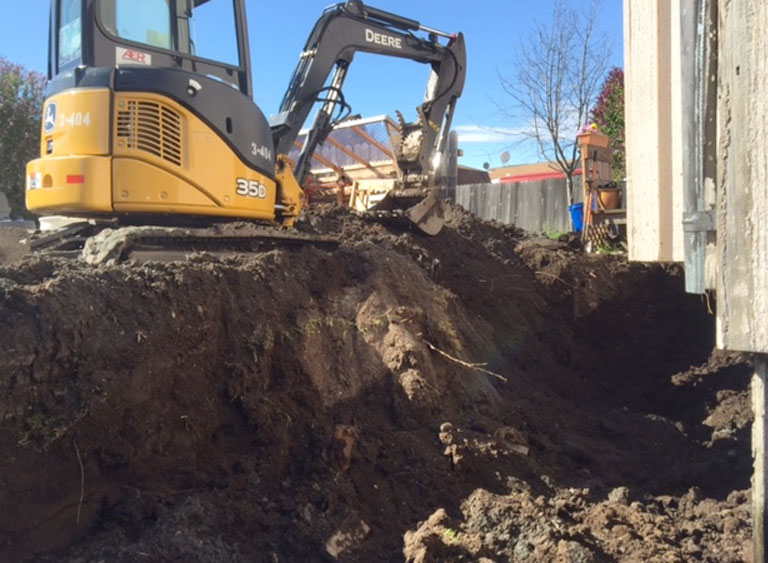
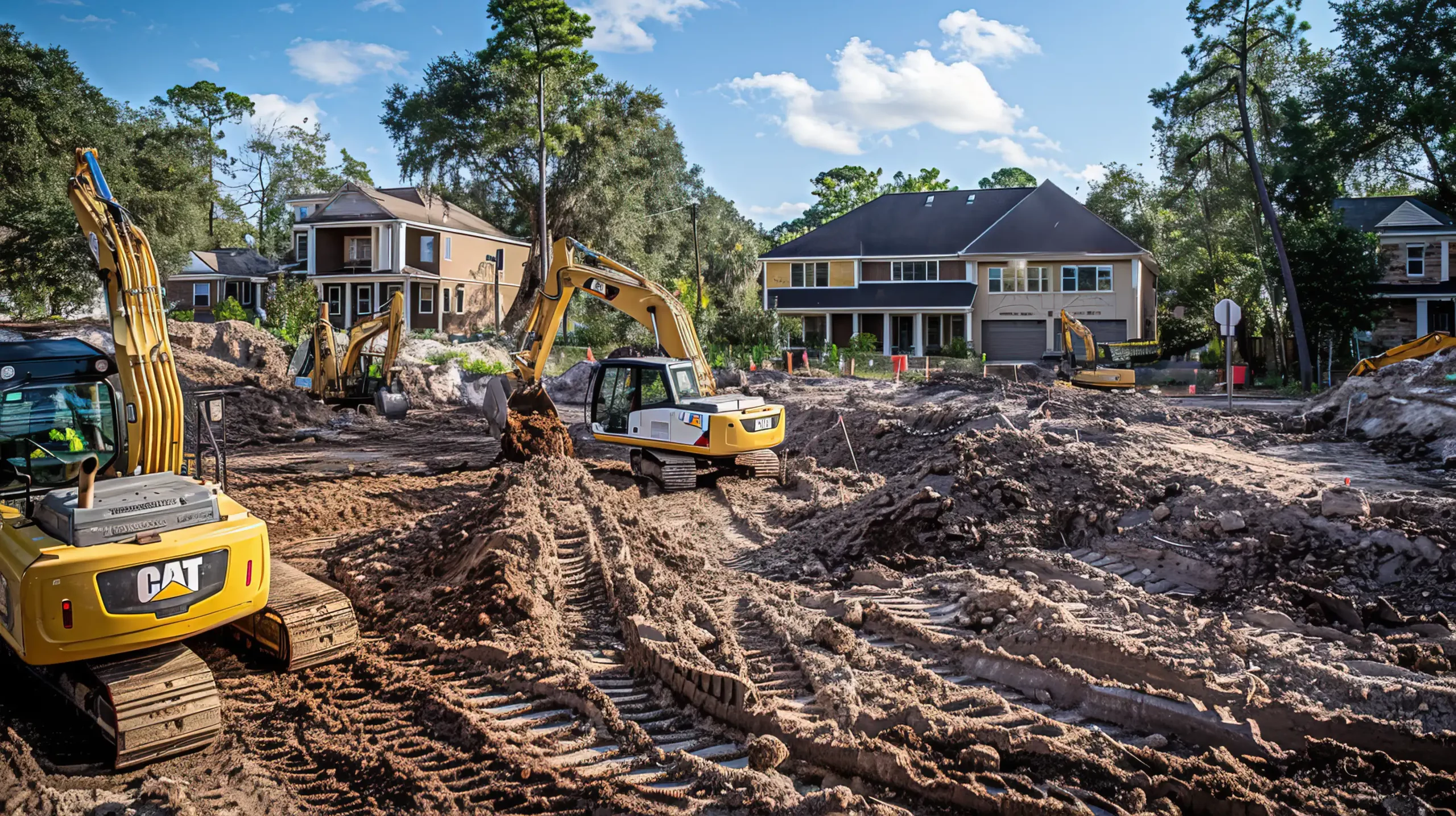
Using a shovel, rake, or power equipment (such as a Bobcat or landscaping tractor for large projects), begin leveling high spots and filling low spots to create a gentle slope away from your home. Start closest to the foundation and gradually move outward, ensuring a consistent descent. Check the slope periodically as you work to confirm accuracy.
3.4.1. Tamp and Compact
Loosely piled soil can settle over time, which may change your desired slope. To minimize this, tamp or compact each layer of soil as you build it up. A hand tamper works for smaller areas, while plate compactors are more efficient for larger jobs. Watering the soil lightly and allowing it to settle before adding more layers can also help ensure a stable final grade.
3.5. Create or Improve Drainage Channels
In some cases, you may need more than just a gentle slope. Swales (shallow depressions) or French drains (underground perforated pipes) can help direct water to a safe runoff area, preventing it from pooling on the surface. When designing these channels, ensure they lead to a drainage outlet that’s legal and effective—like a storm drain or a natural waterway. Avoid directing water onto your neighbor’s property, which can lead to disputes or code violations.
3.6. Install or Upgrade Downspouts and Gutters
No grading plan is complete without assessing how water from your roof is managed. Ensure clean gutters and downspouts extend 5 to 10 feet from the foundation. If your downspouts discharge water near your home, installing extenders or underground drain lines helps prevent water from saturating the soil near your walls.
3.7. Reseed or Landscape
Once you’re satisfied with the grading, add topsoil where necessary and reseed or lay new sod to stabilize the soil. If you prefer a landscaped approach, consider planting shrubs and trees that thrive in your local climate and have root systems that can help anchor the soil. However, keep larger plants or trees safe from your foundation to avoid root intrusion and potential structural issues.
4. Additional Strategies to Improve Drainage
While grading is the foundation of good drainage management, additional measures can be beneficial, especially in areas with heavy rainfall, clay soil, or limited space to divert water.
4.1. French Drains
A French drain is an underground trench filled with gravel or rock containing a perforated pipe that helps redirect groundwater and surface water away from problem areas. This solution can be particularly effective for yards prone to frequent flooding or homes at the bottom of a slope where water naturally collects.
4.2. Dry Wells
A dry well is a subsurface structure that temporarily holds water runoff, allowing it to seep slowly into the soil. If you have downspouts or areas that channel large volumes of water, routing them into a dry well can reduce pooling on the surface. Always ensure your soil is suitable for this method by checking its percolation rate, or consult a professional who can assess if a dry well is right for your property.
4.3. Retaining Walls
For properties with dramatic grade changes or slopes, retaining walls can help terrace the land, creating flat surfaces that safely direct water away. These walls also protect against soil erosion by stabilizing steep banks. Properly designed retaining walls incorporate drainage materials behind them—like gravel and perforated pipes—to prevent hydrostatic pressure from building up and damaging the structure.
4.4. Rain Gardens
A rain garden is an aesthetically pleasing way to handle stormwater. By planting water-tolerant plants in a shallow depression, you create a natural space for water to gather briefly after heavy rains, allowing it to slowly infiltrate the soil instead of contributing to runoff. Rain gardens can reduce flooding, filter pollutants, and add a unique landscaping element to your property.
Proper grading is the backbone of adequate drainage; by ensuring that the land slopes gently but consistently away from your home’s foundation, you immediately minimize the risk of basement leaks, cracks, and saturated lawns. From the initial evaluation of your property’s contours to the careful leveling and compaction of soil, each step of the grading process plays a critical role in safeguarding your home and outdoor spaces. For many properties, grading alone can solve most water-related issues; however, more robust solutions like French drains, dry wells, or retaining walls might be necessary if unique challenges—such as steep slopes or high water tables—come into play.
Regardless of the specific approach, investing time and resources into proper grading pays off significantly. It protects your home’s structural integrity and helps maintain a healthy, beautiful yard free from standing water and pests. As a homeowner, you’ll benefit from a longer-lasting foundation, fewer mold and mildew problems, and a more appealing landscape. Consulting with a professional is always a smart move if you’re unsure how to tackle grading or suspect complicated drainage issues. With the right measures in place, you can keep your property well-drained, stable, and ready to withstand the next heavy rainfall—and everyone after that.

Jacob Bishop is the founder and CEO of Be Happy Property Services. With a strong background in property management and customer service, Jacob has dedicated himself to creating a company that prioritizes client satisfaction and seamless property experiences. His extensive knowledge and hands-on approach have earned him a reputation for excellence in the industry. Jacob’s passion for real estate and commitment to happy living spaces make him a trusted leader in property services.