A kitchen remodel is a transformative project that goes beyond aesthetics—it’s about creating a space that supports your daily life, reflects your taste, and adds lasting value to your home. The materials you select play a pivotal role in how your kitchen looks, functions, and feels. From countertops and cabinets to flooring and backsplashes, every choice you make will impact the room’s longevity and usability. This guide breaks down the essentials of material selection, offering practical tips and expert insights to help you create a kitchen that’s both beautiful and built to last.
The Impact of Material Selection
Choosing materials for your kitchen remodel isn’t just about picking what looks good; it’s about making strategic decisions that affect your kitchen’s performance and your satisfaction for years to come. The right materials will withstand the demands of daily cooking, cleaning, and family life, while also contributing to the overall style and value of your home. Whether you’re updating a single feature or doing a full overhaul, thoughtful material selection is the foundation of a successful remodel.
Key Considerations for Material Choices
1. Budget and Value
Your budget is a starting point for material selection. Premium options like natural stone countertops and custom wood cabinets offer luxury and durability, but they come with a higher price tag. Affordable alternatives such as laminate, engineered stone, and vinyl flooring can deliver similar looks and performance at a fraction of the cost. When making choices, consider both upfront costs and long-term value—higher-quality materials may require a larger investment but often save money by reducing maintenance and replacement needs over time. Local sourcing can also lower costs and support sustainability.
2. Durability and Practicality
Kitchens face constant use, so durability is essential. Materials should resist heat, moisture, stains, and scratches. Quartz and granite countertops are popular for their resilience, while hardwood floors and tile offer long-lasting performance. Think about your lifestyle—families with children or frequent entertainers may benefit from easy-to-clean, low-maintenance surfaces like stainless steel, quartz, or ceramic tile.
3. Style and Cohesion
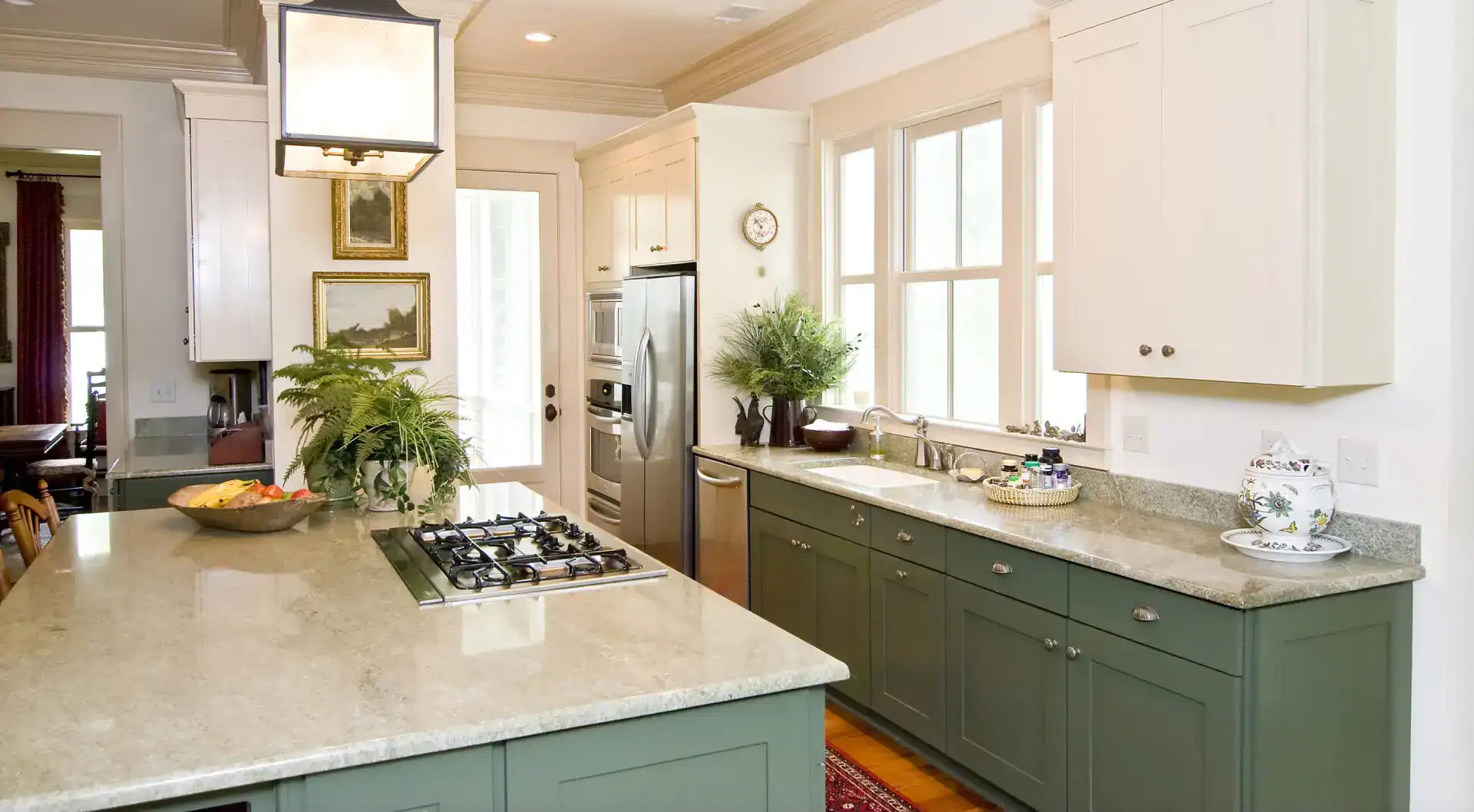
Your kitchen should reflect your personal style while blending with the rest of your home. Choose materials that complement your cabinetry, appliances, and overall décor. Neutral tones and classic patterns provide timeless appeal, while bold colors and textures can make a statement. Consider how different materials interact—pairing wood cabinets with stone countertops or mixing matte and glossy finishes can create a dynamic yet cohesive look.
4. Sustainability and Health
Eco-friendly materials are increasingly important for homeowners. Options like bamboo flooring, recycled glass countertops, and reclaimed wood cabinetry reduce environmental impact and add unique character. Low-VOC paints and finishes improve indoor air quality, making your kitchen a healthier space for you and your family.
Top Material Options for Kitchen Remodels
Countertops
-
Quartz: Durable, non-porous, and available in a wide range of colors and patterns. Low maintenance and stain- and bacteria-resistant.
-
Granite: Natural beauty, heat-resistant, and long-lasting. Requires periodic sealing to prevent stains.
-
Marble: Elegant and luxurious, but softer and more prone to scratches and staining. Ideal for statement pieces.
-
Laminate & Solid Surface: Budget-friendly, versatile, and easy to repair. Good for modern or minimalist kitchens.
Cabinetry
-
Solid Wood: Classic, durable, and warm. Can be stained or painted for a custom look.
-
Plywood: Strong, stable, and cost-effective. Great for custom designs.
-
MDF: Smooth surface for painting, affordable, but less durable than wood.
-
Thermofoil & Veneers: Modern appearance, easy to clean, and budget-friendly.
Flooring
-
Hardwood: Timeless and warm, but needs protection from moisture.
-
Tile: Durable, easy to clean, and available in many styles.
-
Luxury Vinyl Plank (LVP): Water-resistant, affordable, and mimics wood or stone.
-
Natural Stone: Unique and rustic, but requires more maintenance.
Backsplashes
-
Tile: Versatile, customizable, and easy to clean.
-
Stone & Marble: Upscale look, but higher cost and maintenance.
-
Glass & Metal: Modern, sleek, and easy to maintain.
Lighting & Fixtures
-
Under-Cabinet Lighting: Enhances task lighting and highlights surfaces.
-
Pendant Lights & Chandeliers: Add style and ambiance.
-
Recessed Lighting: Provides even illumination.
-
Accent Fixtures: Tie the design together and add personality.
Tips for a Cohesive Kitchen Remodel
-
Create a Mood Board: Visualize how materials work together before making final decisions.
-
Consider the Flow: Ensure your kitchen materials complement adjacent rooms.
-
Consult Professionals: Designers and kitchen remodeling contractors can offer valuable insights.
-
Test Materials: See samples in person to understand their look and feel.
Frequently Asked Questions
1. How do I balance style and practicality in my kitchen remodel?
Choose materials that are both visually appealing and suited to your lifestyle. For example, quartz countertops offer elegance and durability, while solid wood cabinets provide warmth and strength. Consider how each material will hold up to daily use—will it resist stains, scratches, and heat? A balance of style and function ensures your kitchen remains beautiful and functional for years.
2. What are some eco-friendly material options for a kitchen remodel?
Sustainable choices include bamboo flooring, recycled-glass countertops, and reclaimed-wood cabinetry. These materials are environmentally friendly and often add a unique character to your kitchen. Low-VOC paints and finishes further enhance indoor air quality, making your kitchen a healthier space.
3. How can I ensure my kitchen materials stay current and avoid trends?
Focus on timeless materials and neutral palettes for your main elements—such as cabinets, countertops, and flooring. Use trendier colors and finishes in easily replaceable items like backsplashes, hardware, or decor. This approach lets you update your kitchen’s look without a full remodel.
4. What’s the best way to mix different materials for a stylish kitchen?
Combine textures and finishes to create visual interest—pair matte cabinets with glossy countertops or mix wood and metal accents. Maintain a unifying element, such as a consistent color palette or repeated material, to ensure cohesion. Thoughtful mixing adds depth and personality to your kitchen.
5. How do I choose materials that fit my lifestyle and cooking habits?
If you cook often, prioritize heat-resistant and easy-to-clean surfaces like stainless steel or quartz. For families, opt for scratch- and stain-resistant finishes. If you entertain frequently, consider statement materials like waterfall islands or custom tilework. Tailoring your choices to your lifestyle ensures your kitchen is both functional and enjoyable.

Jacob Bishop is the founder and CEO of Be Happy Property Services. With a strong background in property management and customer service, Jacob has dedicated himself to creating a company that prioritizes client satisfaction and seamless property experiences. His extensive knowledge and hands-on approach have earned him a reputation for excellence in the industry. Jacob’s passion for real estate and commitment to happy living spaces make him a trusted leader in property services.