When winter arrives, one of the most important investments for homeowners and business operators alike is reliable snow removal equipment. The right tools not only ensure that your property remains accessible and safe but also help prevent accidents and property damage during heavy snowfalls. With so many options available—from snow shovels and pushers to advanced plows and blowers—it can be overwhelming to decide which equipment best fits your needs. In this guide, we’ll break down the essential factors to consider, discuss various types of equipment, and provide practical advice for selecting the perfect gear for your situation.
Preparing for Winter with the Right Equipment
Winter weather can be unpredictable, but one thing is certain: effective snow removal is essential to maintain safety and accessibility. Whether you are a homeowner looking to clear your driveway and walkways or a business owner responsible for keeping large parking lots free of snow, choosing the right equipment is crucial. The decision involves more than simply picking a tool; it requires careful consideration of your property’s size, typical snowfall amounts in your area, and the frequency of heavy storms.
In this comprehensive guide, we’ll explore the various types of equipment available, highlight their advantages and limitations, and offer expert insights on what to look for when purchasing. By the end of this article, you’ll have a better understanding of how to match your needs with the right equipment, ensuring you are well-prepared to tackle even the toughest winter conditions.
1. Assessing Your Snow Removal Needs
Before you compare products, it’s important to evaluate your specific removal requirements. This initial assessment will help you narrow down the types of equipment that are most suitable for your property.
Understanding Your Property Size and Layout
The first step in choosing the right equipment is to consider the area you need to clear and its size and layout. For example:
- Residential Properties: Homeowners with small driveways and a few walkways might find that manual tools like snow shovels and pushers are sufficient. However, if they have a larger driveway, a porch, or a multi-car garage, they might need a more powerful solution.
- Commercial and Industrial Areas: Business owners or property managers responsible for large parking lots, sidewalks, or access roads will likely require heavy-duty, motorized equipment. In these cases, equipment such as snow blowers or plows mounted on trucks may be necessary.
Analyzing Local Weather Conditions
Your geographic location and typical winter weather patterns play a significant role in determining the right equipment:
- Frequency of Snowfall: If you live in an area with frequent light snowfalls, smaller, manual tools might be sufficient. However, regions that experience heavy, persistent snowfall will demand more robust, motorized options.
- Snow Type: The characteristics of the snow—whether it is powdery, wet, or icy—can also impact your choice. For instance, wet and heavy snow requires equipment that can handle higher loads without clogging, such as powerful two-stage snow blowers or heavy-duty plows.
Frequency of Use and Time Constraints
Consider how often you will be using the equipment:
- Occasional Use: For infrequent snow events, investing in a versatile and easy-to-store tool might be more practical.
- Frequent Use: For areas that experience multiple snow events throughout the winter season, durable and efficient equipment that minimizes physical effort is key. In these cases, an investment in motorized equipment may pay off in the long run.
By thoroughly assessing your needs, you can avoid over- or under-investing in equipment and ensure that your choice aligns with your budget and practical requirements.
2. Exploring the Types of Snow Removal Equipment
There are several types of tools available on the market today, each designed for different applications and user preferences. Understanding the advantages and limitations of each type will help you make an informed decision.
Manual Tools: Simplicity and Affordability
Manual tools, such as snow shovels and pushers, are the most basic options available:
- Snow Shovels: These come in various shapes and sizes, from ergonomic designs for reducing back strain to heavy-duty models for tackling deep snow. They are affordable, easy to store, and require no fuel or electricity.
- Snow Pushers: Pushers are often used for light snow removal and are designed to move large volumes of snow with minimal effort. They are particularly useful for clearing large areas, such as driveways or sidewalks.
While manual tools are budget-friendly and simple, they can be physically demanding, especially in areas with heavy or wet snow. They may be best suited for individuals comfortable with physical exertion and properties with moderate snow accumulation.
Motorized Options: Power and Efficiency
Motorized equipment offers enhanced efficiency and reduced physical strain:
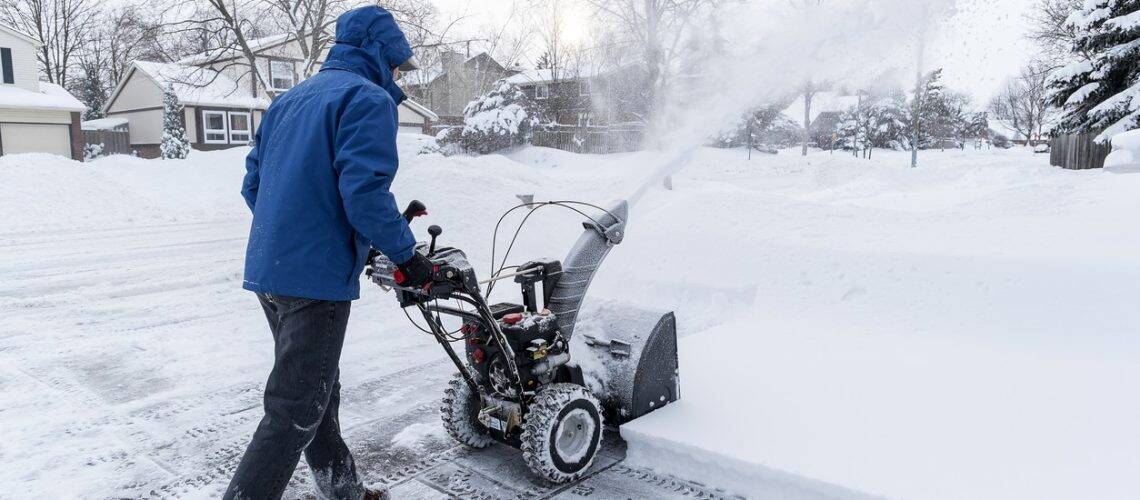
- Snow Blowers: Snow blowers can handle different types and depths of snow and are available in single-stage, two-stage, and three-stage models. Single-stage blowers are ideal for light to moderate snow, while two-stage and three-stage models are better for heavier, wetter snow.
- Snow Plows: Mounted on trucks or ATVs, snow plows are excellent for quickly clearing large areas such as parking lots or roads. They are designed to move significant volumes of snow but typically require professional operation or experience with heavy machinery.
- Snow Throwers: Similar to snow blowers, snow throwers propel snow away from the area being cleared. They are useful for targeting specific spots or areas where a traditional plow may not fit.
Motorized equipment offers speed and power, making it ideal for larger properties or regions with heavy snowfall. However, these machines tend to be more expensive, require regular maintenance, and may need specialized storage during off-seasons.
Hybrid and Specialized Equipment
There are also hybrid and specialized tools that combine features of manual and motorized equipment:
- Electric Snow Shovels: For those who prefer a lightweight option with some motorized assistance, electric snow shovels offer a compromise between manual shovels and full-scale blowers.
- Compact Snow Removal Machines: Designed for residential use, these compact models provide the power of a motorized option in a smaller, more manageable form factor. They are ideal for homeowners with limited space and less intense needs.
Understanding the range of available equipment can help you tailor your selection to your specific needs, ensuring that you invest in a tool that is both effective and efficient.
3. Key Features to Consider When Choosing Equipment
Once you have a good understanding of your needs and the available equipment, it’s time to focus on the specific features that will affect performance, durability, and ease of use.
Performance and Power
The primary function of any equipment is its ability to efficiently clear snow:
- Engine Power: For motorized equipment, engine power is a critical factor. Higher-horsepower engines can handle heavier snowfall and clear larger areas more quickly.
- Blade Design and Size: For snow blowers and plows, the blade or auger’s design and size are important. A larger blade can move more snow, while a well-designed blade can reduce clogging and improve efficiency.
- Throwing Distance: For snow blowers, the distance that the machine can throw snow is a key metric. This feature is especially important if you need to clear snow from walkways or areas where you want to avoid snow buildup.
Durability and Build Quality
Snow removal equipment is exposed to harsh winter conditions, so durability is essential:
- Materials and Construction: Look for equipment made from high-quality, weather-resistant materials such as heavy-duty steel or reinforced plastics. This ensures that the equipment can withstand the rigors of cold weather, salt, and repeated use.
- Warranty and Support: A robust warranty indicates that the manufacturer stands behind their product. Additionally, consider the availability of customer support and replacement parts, as these can extend the lifespan of your equipment.
Ease of Use and Maneuverability
Snow removal can be a physically demanding task, so ease of use is an important consideration:
- Ergonomics: Ergonomic designs reduce the risk of strain or injury in manual tools. Look for shovels with padded handles and designs that promote a natural lifting motion.
- Controls and Adjustability: Motorized equipment can be operated more smoothly with intuitive controls and adjustable settings. Features like adjustable chute directions on snow blowers allow users to control where the snow is thrown, enhancing efficiency.
- Weight and Portability: Consider the equipment’s weight and ease of maneuvering, especially when navigating around obstacles or tight spaces.
Maintenance and Long-Term Considerations
Maintenance requirements can affect both the performance and longevity of your equipment:
- Ease of Maintenance: Equipment that is easy to clean and service will save you time and money in the long run. Look for models with accessible parts and clear maintenance instructions.
- Fuel and Energy Efficiency: Fuel efficiency can be important for motorized models, especially if you use the equipment frequently. For electric models, check the battery life and charging times to ensure they meet your needs.
- Storage Requirements: Consider the space available for storing your equipment. Compact or foldable designs can be beneficial for homeowners with limited storage space.
4. Budgeting and Maintenance Considerations
While selecting the right equipment is crucial, it’s equally important to consider your budget and the ongoing costs associated with maintaining your investment.
Upfront Costs Versus Long-Term Value
Investing in high-quality equipment can save money over time:
- Initial Investment: While high-end, motorized equipment may have a higher upfront cost, its durability and efficiency often result in lower long-term expenses. Conversely, cheaper models may need to be replaced more frequently, leading to higher costs.
- Resale Value: Well-maintained equipment from reputable brands often retains its value. This can be beneficial if you decide to upgrade or sell the equipment in the future.
Maintenance Costs and Routine Care
Regular maintenance is key to keeping your equipment in peak condition:
- Scheduled Servicing: Follow the manufacturer’s recommendations for routine servicing. This may include oil changes, filter replacements, and blade sharpening for motorized equipment.
- Cleaning and Storage: After each use, ensure that your equipment is thoroughly cleaned and dried. Proper storage in a sheltered environment will protect it from the elements and extend its lifespan.
- DIY Versus Professional Maintenance: Determine whether you can perform routine maintenance tasks yourself or if you will need professional services. For many motorized models, having access to authorized service centers can be a major benefit.
Financing and Budget Management
For those on a tight budget, financing options and careful budget management can help:
- Payment Plans: Some retailers offer financing options that allow you to pay for your equipment over time, making it easier to manage upfront costs.
- Comparing Models: Research different models and brands to find the best balance between cost, features, and durability. Online reviews and expert advice can provide valuable insights into the long-term performance of various options.
- Energy and Fuel Savings: Consider your equipment’s operational costs. Energy-efficient models may cost a bit more initially, but they can save on fuel or electricity bills over time.
5. Expert Tips and Safety Considerations
Expert advice, safety considerations, and selecting the right equipment based on features and performance are paramount.
Safety First: Using Equipment Responsibly
Snow removal can be hazardous if proper safety precautions are not taken:
- Proper Training: If you are operating motorized equipment like snow blowers or plows, ensure that you understand the controls and safety features. Take time to read the user manual and, if possible, attend a training session or demonstration.
- Protective Gear: Wear appropriate clothing and protective gear. This may include insulated gloves, non-slip boots, and eye protection. In low-visibility or icy conditions, reflective gear can be a lifesaver.
- Clear the Area: Before you begin, make sure the area is free of obstacles such as vehicles, outdoor furniture, and debris. This minimizes the risk of accidents and ensures your equipment can operate efficiently.
Tips from the Pros
Experts offer several insights that can help you get the most out of your equipment:
- Plan Ahead: Don’t wait until the first heavy snowfall to clear snow. Begin your routine early to prevent snow from accumulating too heavily, which makes removal more challenging.
- Work in Sections: For larger areas, break down the job into manageable sections. This not only reduces fatigue but also ensures a more systematic and thorough clearing.
- Regular Inspections: Regularly inspect your equipment for wear and tear, especially before the winter season begins. Early detection of issues like blade dulling or engine problems can save you from costly repairs later on.
- Know Your Limits: Recognize when a snow removal job might be too big for your equipment or your own capacity. In such cases, hiring a professional snow plowing and removal service might be the safer and more efficient option.
Choosing the right equipment is a critical decision that can significantly impact your winter experience. By carefully assessing your property size, local weather conditions, and frequency of use, you can narrow down the options to the tools that best meet your needs. Whether you opt for manual tools, motorized machines, or a hybrid solution, focusing on performance, durability, ease of use, and maintenance will ensure that you make a sound investment.
Budget considerations and expert tips will further help you make an informed decision that balances upfront costs with long-term value. With the proper equipment and a proactive approach to snow removal, you can keep your property safe, accessible, and free of the hazards posed by heavy snowfall. As you prepare for the winter months, remember that a well-planned strategy is the cornerstone of a safe and efficient season.
By following this comprehensive guide, you are now better equipped to evaluate your options and select the perfect equipment for your needs. Whether you are clearing a small residential driveway or managing a large commercial property, the right tools and a proactive maintenance plan will help you confidently navigate the winter challenges. Embrace the winter season, stay safe, and let your well-chosen equipment do the hard work for you. Happy snow clearing!
FAQ
How do I match snow removal equipment to the size and type of my property?
Choosing the right equipment starts with understanding your property’s size and layout. For small areas like sidewalks and short driveways, ergonomic snow shovels or pushers work well due to their maneuverability and ease of storage. Larger properties, such as long driveways or commercial lots, benefit from snow blowers or plows, which can clear substantial snow quickly and efficiently. Always consider the accessibility of tight spaces and whether your equipment needs to handle both open and confined areas.
What features should I prioritize for comfort and injury prevention during snow removal?
Ergonomic design is crucial. Look for tools with handles designed to reduce back and arm strain, as these can significantly decrease the risk of repetitive injuries and fatigue during prolonged use. Material quality matters too—reinforced plastics or high-grade metals withstand harsh conditions without adding excessive weight. For powered equipment, consider models with self-propulsion or adjustable handles to further minimize physical effort.
How do I choose between manual and powered tools?
Manual tools, such as shovels and pushers, are ideal for lighter, powdery snow or small areas, offering simplicity and low cost. Powered tools, like snow blowers, are better for heavy, wet snow or larger areas where manual labor would be too taxing or time-consuming. When selecting powered equipment, consider your preferred power source (gas, electric, or battery), as each has trade-offs in power, maintenance, and environmental impact.
What should I consider if I want equipment that serves multiple purposes year-round?
Versatility is a smart investment. Some modern machines allow you to switch attachments, transforming a snow blower into a sweeper, edger, or rake for use in other seasons. This multi-use flexibility saves money, storage space, and maintenance time, making it especially appealing for businesses or homeowners with varied groundskeeping needs throughout the year.
How can I ensure my equipment is both effective and environmentally responsible?
Look for equipment with eco-friendly features, such as electric or battery-powered models that reduce emissions and noise pollution. Additionally, consider using salt spreaders or de-icing solutions that minimize environmental impact while maintaining safety. Proper maintenance not only extends the life of your equipment but also ensures it runs efficiently, further reducing your environmental footprint.

Jacob Bishop is the founder and CEO of Be Happy Property Services. With a strong background in property management and customer service, Jacob has dedicated himself to creating a company that prioritizes client satisfaction and seamless property experiences. His extensive knowledge and hands-on approach have earned him a reputation for excellence in the industry. Jacob’s passion for real estate and commitment to happy living spaces make him a trusted leader in property services.