
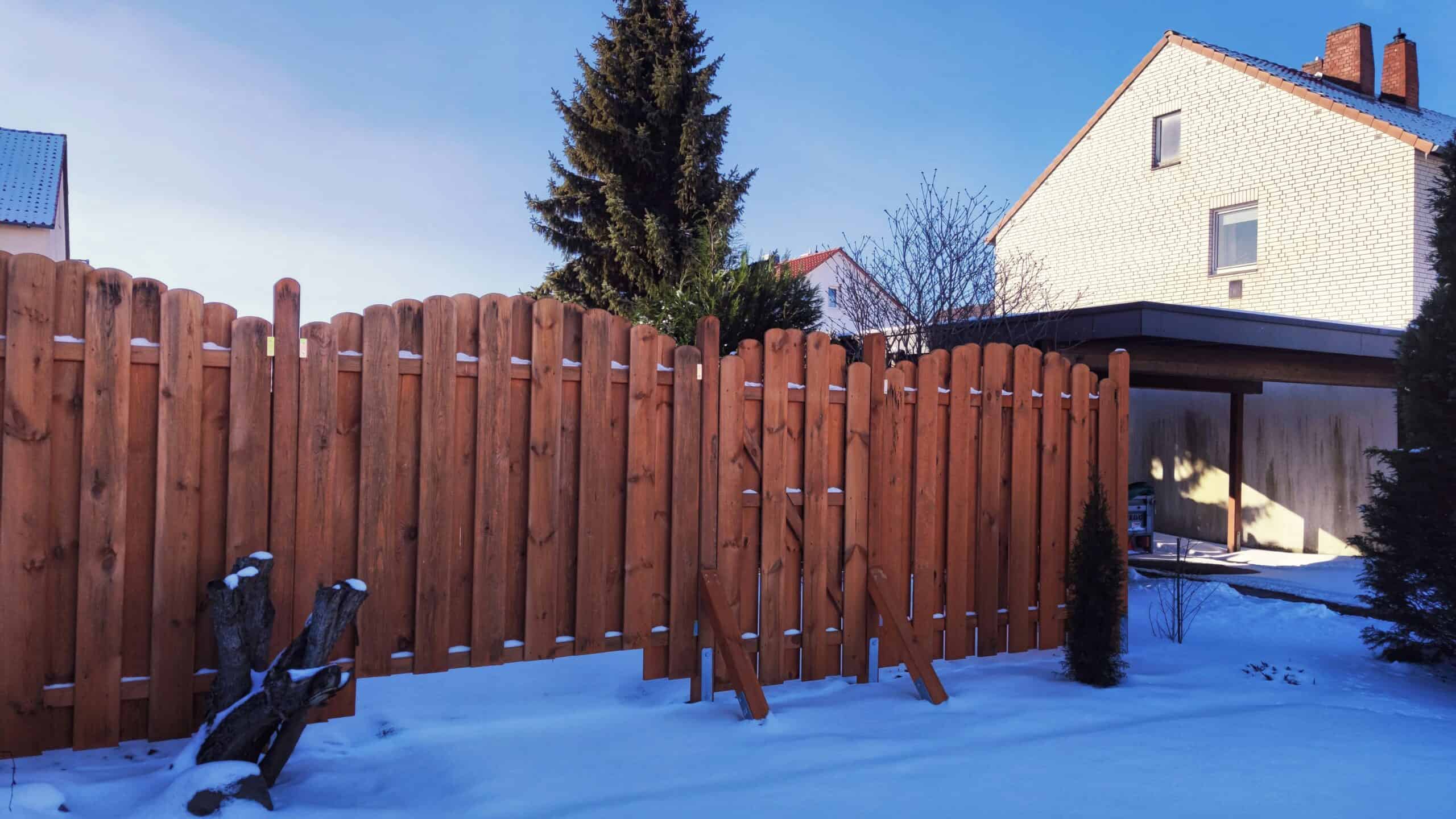
Planning Anchorage fence installation is exciting—until the pricing feels all over the place. One quote might seem “reasonable,” another might look shocking, and suddenly you’re left wondering what you’re actually paying for.
In Anchorage, fence pricing isn’t just about the panels. It’s the full picture: material type, post depth, site conditions, gates, hardware, layout complexity, and the realities of working in a wet, cold climate.
This guide breaks down what affects fence installation costs, where homeowners get surprised, and how to budget to avoid last-minute add-ons—without cutting corners that shorten fence life.
Why Anchorage Fence Installation Costs Vary So Much
Two fences can be the same length and still cost very different amounts. Here’s why:
Your fence “type” changes everything
A basic chain link fence and a tall privacy fence don’t use the same materials, post sizes, hardware, or labor time. Some fences are faster to install. Others require more steps, more reinforcement, and more detailed finishing.
Your yard and soil decide how hard the job is
Anchorage properties often deal with:
- uneven grades or slopes
- high moisture areas
- rocky soil pockets
- tight access for equipment
- heavy vegetation or roots
These conditions increase time, labor, and sometimes the materials needed to do it right.
Gates and corners add cost faster than people expect
Straight fence runs are simpler. Every corner, end post, and gate adds structure and hardware. Gates also need precision to avoid sagging or binding—especially in winter.
The Biggest Cost Factors in Anchorage Fence Installation
1) Fence material and style
Material is usually the first major cost driver because it affects:
- the price per section
- post requirements
- fasteners/hardware
- installation time
- long-term upkeep
Below are the common options and how they typically influence the budget.
Wood fencing
Wood is popular for privacy and looks, but it can require more maintenance in wet conditions.
Cost drivers for wood:
- lumber grade and thickness
- pressure-treated vs. other wood types
- stain/seal plans
- privacy height and design details
Wood can be budget-friendly upfront, but it’s smart to factor in long-term care if you want it to keep looking good.
Vinyl fencing
Vinyl often has a higher upfront cost, but it can reduce maintenance time.
Cost drivers for vinyl:
- panel quality and thickness
- color options (some colors cost more)
- reinforced posts and rails
- gate kits and latching systems
Vinyl can be a strong fit if you want a clean, consistent look with less ongoing upkeep.
Chain link fencing
Chain link is often chosen for affordability and function—especially for pet containment.
Cost drivers for chain link:
- height
- coated vs. standard finishes
- top rail and tension wire requirements
- gate sizes and hardware quality
If you need a large fenced area and want a practical option, chain link often pencils out well.
Metal fencing (ornamental / aluminum/steel)
This category ranges widely. Some options are designed for decorative boundaries, others for security.
Cost drivers for metal:
- material quality
- coating/finish durability
- spacing and style
- custom sections and gate builds
Metal fencing can look sharp and last a long time, but it’s often not the lowest-cost path for long runs.
2) Fence height (privacy costs more)
Height increases cost because it increases:
- materials per linear foot
- wind load considerations
- post depth/strength needs
- labor time
A taller fence may also require more robust framing to stay straight and solid through Anchorage weather.
3) Linear footage (but not in a simple way)
Yes, longer fences cost more—but the cost per foot can go up or down depending on layout.
What changes pricing:
- straight runs vs. many short segments
- number of corners and end posts
- number of gates
- obstacles that require custom cuts
A “simple” 150-foot fence might be easier than a “complicated” 100-foot fence full of angles and elevation shifts.
4) Post depth, concrete, and Anchorage ground conditions
Posts are the backbone of the fence. If posts shift, the whole fence starts to lean, rack, or sag.
In cold climates, post setting must account for ground behavior and seasonal conditions. That typically means:
- deeper post holes than many homeowners expect
- more concrete or better post-setting practices
- added time when the soil is rocky or waterlogged
This is one reason estimates can vary—installers may not all build the post system the same way.
5) Site prep: the “hidden” line item
Site prep is one of the biggest reasons a quote changes after the job starts.
Common prep items include:
- removing brush, small trees, or roots
- clearing old fence debris
- dealing with buried concrete footings
- leveling or grading small areas
- managing drainage in soggy spots
- working around landscaping, you want to keep
If your property has obstacles, the most accurate budgets come from a walkthrough that lets the installer see access and problem areas.
6) Removing and hauling away an old fence
Removing an old fence can be simple… or time-consuming.
What increases removal costs:
- large amounts of debris
- multiple fence layers (yes, it happens)
- posts set in heavy concrete
- rusted chain link hardware
- limited access for hauling
If you already have a fence, removal and disposal should be clearly included in the scope so they don’t show up as a surprise cost.
7) Gates: where budgets shift quickly
Gates are among the most underestimated costs in Anchorage fence installations.
Why gates cost more:
- heavier posts and bracing
- hardware kits (hinges, latches, drop rods)
- alignment time
- Larger openings require stronger framing
A simple walk gate is one thing. A wide driveway gate is another. If you need vehicle access, plan for that line item upfront.
8) Access and logistics (yes, this matters)
Installers price jobs partly based on how smoothly the work can happen.
Access challenges include:
- narrow pathways
- steep slopes
- tight lot lines
- limited staging areas for materials
- difficult backyards that require hand-carrying panels
When the crew can’t use equipment efficiently, labor time rises—and so does cost.
9) Custom design details and upgrades
These upgrades can be worth it, but they change the budget:
- decorative post caps
- top rails and trim boards
- lattice tops (privacy fences)
- powder-coated finishes
- upgraded latches and locks
- integrated privacy screens
- thicker pickets or premium panels
If you want a specific look, decide early. Changing design mid-project is one of the fastest ways to blow a budget.
How to Budget Smart for Anchorage Fence Installation
Build a “base fence” plan first
Start with the essentials:
- fence type
- approximate length
- target height
- number of gates
- must-have vs. nice-to-have features
This keeps quotes comparable and prevents you from comparing apples to oranges.
Plan for the “unknowns” (without panic budgeting)
Even well-scoped fence projects can uncover small surprises—like a buried stump or unexpected rocky sections.
A smart approach is to keep a buffer in your plan for:
- minor site prep adjustments
- small layout changes
- upgrades you may choose once you see samples
The goal isn’t to overpay. It’s to avoid getting stuck mid-project.
Choose cost-saving moves that don’t reduce lifespan
Some “savings” choices lead to repairs later. Better options include:
Option A: Reduce height where privacy isn’t needed
If only one side needs full privacy, you may be able to vary the design.
Option B: Limit gates
Gates are valuable—but extra gates add real cost. Keep only what you’ll use.
Option C: Simplify the layout
Fewer corners and angles often mean lower labor and fewer structural posts.
Option D: Pick durable hardware
This isn’t always the cheapest line item, but it often prevents sagging gates and the need for constant adjustments later.
Ask for a scope that spells out what’s included
A clean, homeowner-friendly estimate should clarify:
- exact fence type and height
- post setting method and materials
- site prep scope
- old fence removal and disposal (if needed)
- number and size of gates
- hardware details
- cleanup and final walkthrough
If a quote is vague, it’s harder to control the final price.
What Homeowners Often Forget to Include in the Budget
Staining/sealing (wood fences)
Wood fences often look best when protected. If you choose wood, decide:
- Will you stain or seal right away?
- Who is doing it?
- What’s the maintenance plan?
Even if staining isn’t done immediately, budgeting for it avoids “surprise spending” later.
Landscaping repairs after installation
Fence lines sometimes require:
- removing shrubs near the line
- resetting edging
- repairing ruts or disturbed soil
- reseeding small lawn areas
This is especially true if access is tight.
Utility marking and line considerations
Fence layout needs to respect utility lines and property boundaries. Good planning avoids rework costs.
Tips to Get More Accurate Fence Quotes in Anchorage
1) Have your rough layout ready
You don’t need a perfect drawing, but knowing your target fence line helps installers price accurately.
2) Be clear about your goal
Are you fencing for:
- privacy
- pets
- kids
- security
- curb appeal
- boundary definition
Your “why” influences the best material and build approach.
3) Tell them what you’re worried about
If you’re concerned about:
- wind exposure
- a soggy area
- a sloped section
- a gate that must work all winter smoothly
Say so early. It helps shape the right build plan.
Making the Best Material Choice for Your Budget
If your main priority is upfront affordability, you may lean toward simpler fence styles and materials, with a plan to maintain them properly.
If your main priority is less maintenance, you may spend more upfront but reduce the ongoing work.
If your main priority is privacy + strength, plan for a sturdier build: stronger posts, quality hardware, and careful layout planning.
There isn’t one “right” answer. There’s a right answer for your home, your habits, and your timeline.
Working With Be Happy Property Services
A fence should feel solid, look clean, and stay functional through Anchorage seasons—especially gates and high-traffic areas. If you’re planning Anchorage fence installation, Be Happy Property Services can help you map out a fence plan that fits your needs and your budget without surprise add-ons.
FAQs: Anchorage Fence Installation Costs
1) What affects Anchorage fence installation costs the most?
Material type, fence height, total linear footage, number of gates, site prep needs, and post-setting requirements are usually the biggest factors.
2) Is chain link the cheapest fence option in Anchorage?
Often it’s one of the most budget-friendly options for large areas, but costs can rise with taller heights, coated finishes, and multiple gates.
3) Why do gates cost so much compared to fence panels?
Gates require stronger posts, additional hardware, and precise alignment so they open and close correctly over time—especially in winter conditions.
4) How can I save money without getting a flimsy fence?
Simplify the layout, reduce unnecessary gates, choose practical heights where privacy isn’t needed, and invest in solid posts and hardware.
5) Should I budget for maintenance after installation?
Yes—especially for wood fencing. Even low-maintenance fences benefit from routine cleaning and seasonal checks to keep everything working smoothly.

Jacob Bishop is the founder and CEO of Be Happy Property Services. With a strong background in property management and customer service, Jacob has dedicated himself to creating a company that prioritizes client satisfaction and seamless property experiences. His extensive knowledge and hands-on approach have earned him a reputation for excellence in the industry. Jacob’s passion for real estate and commitment to happy living spaces make him a trusted leader in property services.