
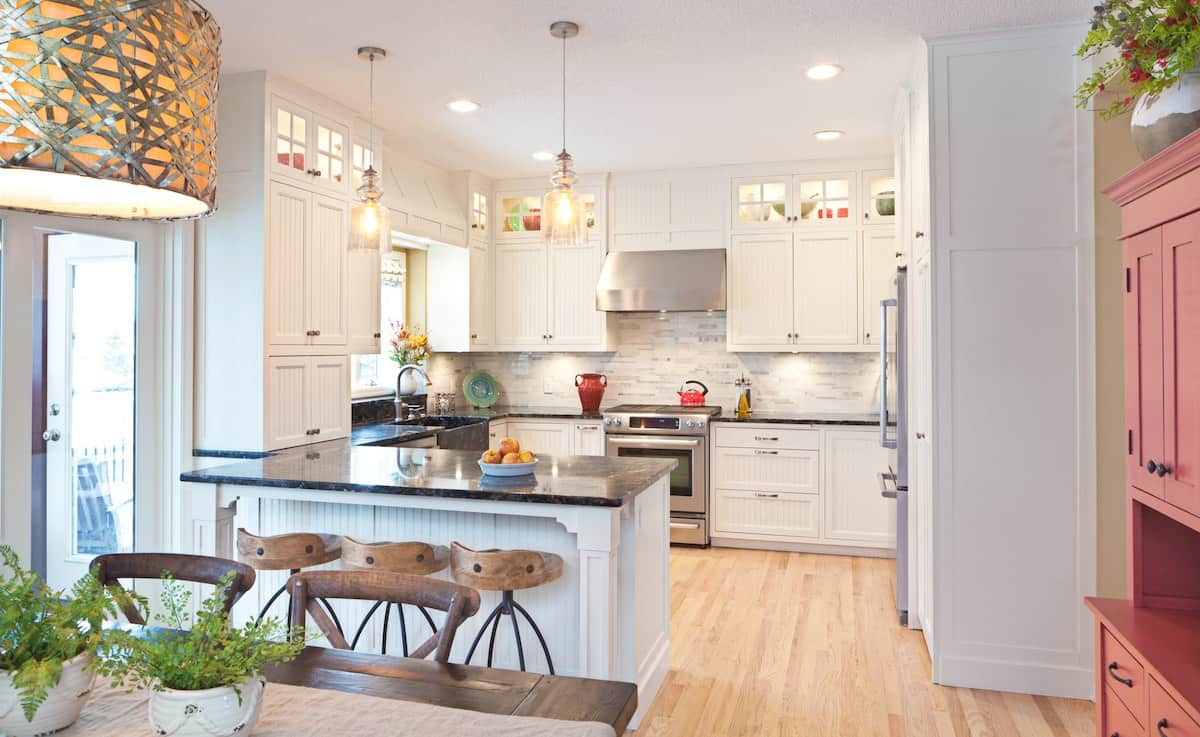
Remodels in Anchorage run on two things: a clear plan and a realistic budget. Materials, labor, logistics, and Alaska’s freeze–thaw timeline can quickly shift costs if you don’t set guardrails early. Below is a practical guide—built from a general contractor’s perspective—to help you shape, price, and manage a remodel budget that holds up from the first sketch to the final punch list.
If you want guidance from a local team that builds year-round, reach out to Be Happy Property Services for Anchorage General Contractor Services that keep scope, schedule, and spend aligned.
1) Start with a Scope You Can Defend
A budget is only as strong as the scope it funds. Lock the “what” before you price the “how.”
- Define rooms and functions. Which spaces change, and what outcomes matter most (storage, better layout, energy savings, updated finishes)?
- List non-negotiables vs. nice-to-haves. Non-negotiables shape the base budget; nice-to-haves become alternates you can add or defer.
- Set quality targets. Good, better, best—decide where to spend for durability and daily use, and where “good” is perfectly fine.
Anchorage twist: factor climate impacts into scope. For example, prioritize air sealing, windows, and moisture control in kitchens, baths, and entries that face long winters. Those upgrades tame operating costs and protect finishes.
2) Build a Pre-Bid Budget Framework
Before you seek bids, frame out a ballpark so numbers make sense when they arrive.
- Category buckets: Demolition, framing, MEP (mechanical, electrical, plumbing), insulation/drywall, windows/doors, finishes, fixtures, cabinetry, flooring, paint, site work, permits/fees, GC overhead & profit (O&P), and contingency.
- Local allowances: Create preliminary allowances for items you’ll choose later (tile, lighting, plumbing trims, appliances).
- Timing markup: Winter work can shift costs for temporary heat, protection, and logistics. Include a line for seasonal conditions if you can’t wait for summer.
Your first pass doesn’t need perfect accuracy—it needs structure. A structured guess beats a vague wish every time.
3) Request Apples-to-Apples Bids
Clear, comparable bids reduce surprises and change orders down the road.
- Bid package: Share the same drawings, scope notes, and finish levels with each bidder.
- Alternates list: Ask for specific add/deduct alternates (e.g., quartz vs. solid surface, tiled shower vs. acrylic, window upgrade).
- Unit breakdowns: Where possible, ask for unit pricing on common line items (e.g., price per recessed light, per square foot of tile) to scale scope up/down intelligently.
Work with an Anchorage General Contractor Services team to assemble the package; a tidy set attracts better subs and clearer numbers.
4) Understand Allowances (Your Budget’s Wildcard)
Allowances are placeholder amounts for selections you’ll finalize later. They keep bids moving while you shop—but they can also blow up a budget if set unrealistically.
- Right-size each allowance. Visit showrooms or share preferred product lines so your GC can set allowances that reflect your taste.
- Track over/under. If you pick items above an allowance, note the delta immediately. Don’t wait until the end to tally overages.
- Bundle choices. Select related items together (tile, grout, and trim pieces) so the install labor matches the actual products.
Anchorage tip: Availability can affect allowance reality. Confirm lead times for key finishes before locking a start date.
5) Contingency: Your Shock Absorber
Contingency exists for one reason: the stuff you can’t see yet.
- How much: Many homeowners carry 10–15% of the construction cost as a contingency for remodels. Older homes or wall-moving projects often require high-end work.
- When to use it: Unforeseen structural fixes, hidden damage, or code updates. Not for scope creep (that’s a change order).
- Reset rules: If you use contingency early, update your forecast so you’re not planning with phantom dollars.
Cold-climate note: moisture or freeze-thaw damage behind exteriors may not appear until demo. A healthy contingency lets you fix it right the first time.
6) Phasing and Seasonality: Spend in the Right Order
Anchorage’s calendar shapes smart sequencing—and better budgets.
- Phase 1: Shell, systems, and moisture management. Windows, doors, air sealing, insulation, ventilation, and any exterior protection.
- Phase 2: Layout and rough-in. Framing changes, plumbing/electrical moves, bath and kitchen rough work.
- Phase 3: Finishes. Cabinetry, tile, flooring, paint, lighting trims.
- Phase 4: Punch list. Hardware, caulk/paint touch-ups, control settings.
If your budget is tight, complete phases 1–2 thoroughly and opt for interim finishes you can upgrade later. It’s smarter to have great bones and decent finishes than the other way around.
7) Labor vs. Material: Where the Money Goes
Understanding the split helps you steer choices.
- Labor-intensive upgrades: layout changes, tilework, custom carpentry, complex electrical plans.
- Material-heavy upgrades: Cabinetry, countertops, fixtures, windows, appliances.
- Leverage labor efficiently: Use standard sizes and layouts to reduce custom cuts and fabrication time.
Ask your GC which options tip the balance. A modest layout tweak might save enough hours to afford the nicer countertop you want.
8) Value Engineering Without Cutting Corners
There’s a difference between saving money and creating regrets. Focus on changes that protect function and durability.
- Keep plumbing in place where possible. Moving drains and vents drives up the cost.
- Use semi-custom cabinets. Pair stock boxes with a custom island or hutch for the “wow,” while holding the line elsewhere.
- Prioritize hard-working surfaces. Mid-range quartz, porcelain tile, and durable LVP can outlast pricier but fragile picks.
- Simplify lighting plans. Fewer, better fixtures with good placement often beat a ceiling full of cans.
Local reality: long winters mean heavy indoor use. Choose finishes that shrug off grit, moisture, and repeated cleaning.
9) Avoid Common Budget Traps
A few pitfalls show up on many remodels—skip them early.
- Undefined scope creep. “While we’re at it” is the most expensive phrase on the site. Capture add-ons as formal alternates or defer them to a future phase.
- Under-funded allowances. If every selection runs over, the budget was never real. Align taste and dollars up front.
- Late selections. Delayed choices create rush shipping, labor gaps, or out-of-sequence work—all of which cost more.
- Skipping protection. Dust containment and surface protection save rework and cleaning bills.
A steady GC partner will flag these risks and propose lower-cost paths to your goal.
10) Make Change Orders Work for You
Change orders record budget and scope updates. Use them to maintain control, not as a pain point.
- Write it down. Each change needs a description, cost, schedule impact, and who requested it.
- Batch small items. Group minor changes to reduce admin time and multiple mobilizations.
- No verbal approvals. Verbal green lights get misremembered; get sign or email approval for a clear paper trail.
- Stop-and-think rule. If a change exceeds your set threshold, pause for 24 hours to confirm priorities.
Anchorage note: weather delays sometimes force substitutions. Treat them as formal changes so future warranty and service are clear.
11) Payment Schedules That Keep Cash Flow Healthy
Fair payment schedules keep projects moving and protect both sides.
- Milestone billing: Tie payments to completed stages (demo done, rough-in passed, drywall complete, cabinets set, final).
- Reasonable deposit: A modest upfront payment secures the start, but most dollars should follow progress.
- Retainage: Hold a small percentage until punch list completion to ensure finish quality and timely wrap-up.
Electronic invoicing and clear progress photos make tracking easy—ask your GC for both.
12) Permits, Inspections, and Code—Budget’s Silent Partners
Permits protect safety and resale value. Plan time and fees accordingly.
- Start early. Submittals take time; build permitting into the schedule to avoid paying crews during delays.
- Coordinate inspections. Rough-in and final inspections need to align with subcontractor availability.
- Keep records. Final approvals are required for resale and warranty claims.
Your GC can handle this admin, so your budget isn’t burned by idle labor waiting on paperwork.
13) Lead Times, Logistics, and Anchorage Reality
Remodels here run smoother when logistics are part of the plan.
- Lead times: Windows, specialty doors, custom cabinets, and some appliances can run long. Order early so the schedule—and labor budget—stay intact.
- Site access: Snow, ice, and narrow drives affect delivery and dumpster placement. These details show up as time on the invoice if ignored.
- Protection: Temporary heat, poly walls, and floor protection help prevent redo costs for finished work.
A local Anchorage General Contractor Services team knows how to stage materials and work around the weather without burning the budget.
14) Track the Budget Like a Project, Not a Receipt Pile
Visibility keeps spending on target.
- Live spreadsheet or app: List each category’s original budget, approved changes, and current forecast.
- Weekly five-minute review: You and your GC sync on variances and the upcoming selection/inspection calendar.
- Decision calendar: A simple list of decision deadlines—tile by X date, lighting by Y—prevents rush costs.
When numbers are clear, you make better calls before dollars are spent, not after.
15) Smart Places to Splurge (and Where to Save)
Splurge:
- Building envelope. Windows/doors, air sealing, insulation—these pay you back in comfort and energy savings.
- Primary work surfaces. Countertops, shower floors, and daily-touch hardware.
- Layout improvements. A single-wall move that fixes flow beats a cabinet upgrade that won’t.
Save:
- Secondary finishes. Laundry room counters, secondary bath mirrors, and closet systems you can upgrade later.
- Decorative lighting in low-use rooms. Choose a simpler fixture and invest in the area where you spend evenings.
- Tile accents. Use pricier tile as a feature band, not wall-to-wall.
Anchorage reality: invest where cold, moisture, and traffic hit hardest. That’s where failures cost the most to fix.
16) Warranty and After-Care: The Budget Beyond Day One
A warranty is part of the value you’re buying.
- Documented systems. Keep specs and settings for ventilation, heating, and controls.
- Seasonal check-ins. Plan a 90-day and a 1-year walkthrough to address settling cracks, door tweaks, or control tuning.
- Care guides. Clear care instructions for countertops, floors, and seals prevent premature wear.
Your budget should leave room for post-completion touch-ups that help the project age well.
A Sample Budget Map for a Mid-Range Anchorage Remodel
Every home differs, but this sample layout shows how the thinking flows:
- Planning & Design: 5–10%
- Permits/Fees: 1–3%
- Demolition & Prep: 5–8%
- Framing & Structural: 5–12%
- MEP Rough-In: 10–18%
- Insulation/Drywall: 6–10%
- Windows/Doors (if included): 5–12%
- Cabinetry & Countertops: 10–18%
- Flooring: 6–12%
- Tile & Bath Fixtures: 6–12%
- Paint & Finishes: 4–8%
- Site Work/Exterior Adjustments: 2–6%
- GC O&P: Typically, a defined percentage of direct costs
- Contingency: 10–15%
Use this as a conversation starter with your GC, not a one-size-fits-all template.
Working with Anchorage General Contractor Services: What You Can Expect
A strong GC partner will:
- Help you finalize a defendable scope and an alternatives list
- Build an allowance schedule that matches your taste and lead times.
- Coordinate subs, permits, inspections, and protection.
- Provide clear bids, schedules, and change-order paperwork.k
- Track budget vs. forecast and guide decisions at each step
If you want a plan tailored to your goals and budget, connect with Anchorage General Contractor Services to start the conversation.
Ready to Plan Your Remodel Budget?
List your must-haves, set realistic allowances, and put contingency in place. With the right GC, you’ll phase work wisely, choose durable finishes, and keep numbers predictable—even through Alaska’s long winter.
To get started, reach out to Be Happy Property Services for an Anchorage-ready plan, clear pricing, and a build path that respects your timeline and budget.
FAQs
1) What’s a good contingency for an Anchorage remodel?
Many homeowners carry 10–15% for unknowns. Older homes and layout changes trend toward the higher end.
2) How do I compare GC bids fairly?
Share one scope set, confirm allowance levels, and ask for the same alternates from each bidder so you can compare like with like.
3) Should I phase my remodel?
Phasing is a smart way to protect the budget and schedule. Tackle the shell and systems first, then finish. You can upgrade non-critical finishes later.
4) Where should I splurge vs. save?
Splurge on envelope, layout, and daily-touch surfaces. Save on secondary spaces and decorative items that are easy to upgrade later.
5) How do I avoid change-order shock?
Finalize selections early, set realistic allowances, and document every change with cost and schedule impact before work proceeds.

Jacob Bishop is the founder and CEO of Be Happy Property Services. With a strong background in property management and customer service, Jacob has dedicated himself to creating a company that prioritizes client satisfaction and seamless property experiences. His extensive knowledge and hands-on approach have earned him a reputation for excellence in the industry. Jacob’s passion for real estate and commitment to happy living spaces make him a trusted leader in property services.