Choosing the right decking material is a crucial step in creating a beautiful, functional outdoor area. Whether you’re building a new deck or renovating an existing one, the decision between composite and wood will impact your experience for years to come. Both materials have their strengths and weaknesses, and understanding them can help you select the best fit for your home, lifestyle, and budget.
What Is Composite Decking?
Composite decking is a modern alternative to traditional wood, made by combining wood fibers with recycled plastics. This innovative blend results in a product that mimics the appearance of natural wood while offering enhanced durability and resistance to the elements. Composite boards are available in a wide range of colors, textures, and finishes, allowing for a high degree of customization and a consistent, polished look across your deck.
What Is Wood Decking?
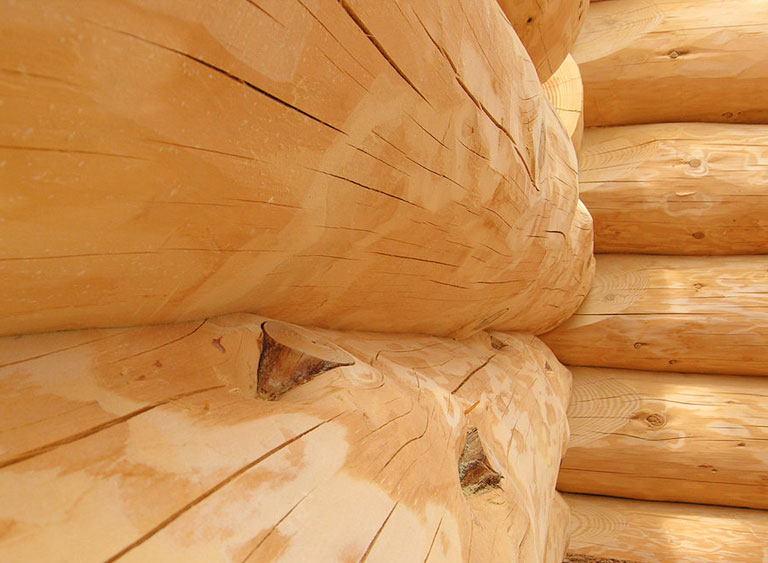
Wood decking remains a classic choice for homeowners who appreciate the timeless beauty and warmth of natural timber. Options include cedar, redwood, pressure-treated pine, and exotic hardwoods, each with its own unique grain, color, and character. Wood decks are known for their inviting, organic feel and are often chosen for their traditional aesthetic. However, they require regular care to maintain their appearance and structural integrity.
Composite Decking: Advantages and Drawbacks
Advantages
-
Minimal Maintenance: Composite decking is designed to be low-maintenance. Unlike wood, it does not require staining, sealing, or sanding. Regular cleaning with mild soap and water is usually all that’s needed to keep it looking fresh.
-
Exceptional Durability: Composite boards are engineered to resist rot, decay, insect infestations, and warping, making them highly suitable for regions with harsh weather or high humidity.
-
Long-Term Value: High-quality composite decking can last 25–30 years or more, often backed by extensive warranties from manufacturers.
-
Uniform Appearance: Composite decking provides a consistent color, texture, and shape, avoiding the natural variations found in wood.
-
Eco-Friendly Options: Many composite products incorporate recycled materials, contributing to sustainability and reducing environmental impact.
Drawbacks
-
Higher Initial Investment: Composite decking typically comes with a higher upfront cost than wood, especially for premium brands.
-
Artificial Appearance: Some people find that composite lacks the authentic charm and warmth of real wood.
-
Heat Absorption: Composite boards can retain more heat than wood, which may be a concern in sunny climates.
-
Repair Limitations: Damaged composite boards usually need to be replaced rather than repaired, as they cannot be sanded or refinished.
-
Expansion Issues: Composite decking can expand and contract with temperature fluctuations, which may affect installation and fit.
Wood Decking: Advantages and Drawbacks
Advantages
-
Natural Beauty: Wood decks offer a classic, organic look that many homeowners prefer for their outdoor spaces.
-
Affordable Upfront: Wood is generally less expensive than composite, particularly for pressure-treated softwood.
-
Easy Repairs: Damaged wood boards can be individually sanded, refinished, or replaced, making repairs straightforward.
-
Renewable Resource: Sustainably sourced wood is biodegradable and renewable, making it an environmentally friendly choice.
-
Customizable: Wood can be stained, painted, or sealed to match any desired color or finish, allowing for greater personalization.
Drawbacks
-
Ongoing Maintenance: Wood decks require regular cleaning, sealing, and staining to prevent rot, decay, and insect damage. This upkeep can become costly and time-consuming over time.
-
Susceptibility to Damage: Wood is prone to warping, splintering, and rot, especially in damp or humid environments.
-
Shorter Lifespan: Even with proper care, wood decks typically last 10–20 years, compared to 25–30 years for composite.
-
Environmental Concerns: Unsustainably harvested wood can contribute to deforestation and habitat loss.
How to Choose: Composite or Wood Decking?
The best choice depends on your priorities:
-
Choose Composite If: You want a low-maintenance, durable, and long-lasting deck that can withstand harsh weather and heavy use. Composite is ideal for busy homeowners or those living in regions with extreme climates.
-
Choose Wood If: You value the natural beauty, warmth, and authenticity of real wood, and are willing to invest time and effort in regular maintenance. Wood is best for those seeking a traditional look and a lower initial cost.
Frequently Asked Questions
1. Is composite decking more expensive than wood?
Yes, composite decking usually has a higher upfront cost than wood, especially for premium brands. However, over the long term, composite can be more cost-effective due to its low maintenance requirements and longer lifespan.
2. How long does composite decking last compared to wood?
Composite decking typically lasts 25–30 years or more with proper care, while wood decks usually last 10–20 years. Composite is also more resistant to rot, insects, and weathering, making it a better long-term investment.
3. Does composite decking require any maintenance?
Composite decking requires minimal maintenance. Regular cleaning with soap and water is usually sufficient to keep it looking good, but it does not need staining, sealing, or sanding like wood.
4. Can I repair a composite deck if a board is damaged?
Damaged composite boards usually need to be replaced rather than repaired. Unlike wood, composite cannot be sanded or refinished, so replacement is the best option for maintaining the deck’s appearance and integrity.
5. Is wood decking more eco-friendly than composite?
Sustainably sourced wood is biodegradable and renewable, making it a more eco-friendly option at the end of its life. Composite decking often contains recycled materials but is not recyclable at the end of its lifespan, so the environmental impact depends on sourcing and disposal practices.

Jacob Bishop is the founder and CEO of Be Happy Property Services. With a strong background in property management and customer service, Jacob has dedicated himself to creating a company that prioritizes client satisfaction and seamless property experiences. His extensive knowledge and hands-on approach have earned him a reputation for excellence in the industry. Jacob’s passion for real estate and commitment to happy living spaces make him a trusted leader in property services.