
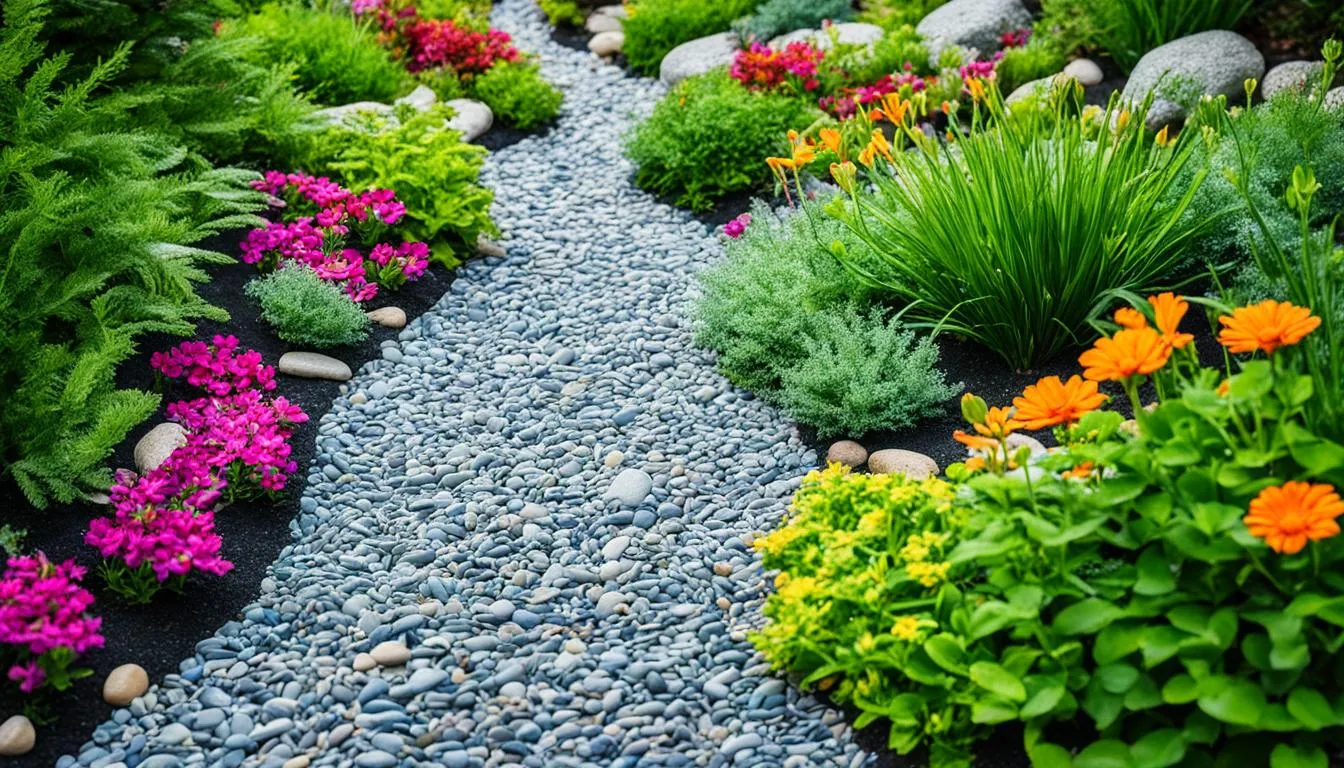
Sustainable landscaping is transforming the way we design, maintain, and enjoy our outdoor environments. Far from being just about aesthetics, it’s a proactive strategy to address environmental challenges, conserve resources, and nurture thriving ecosystems right outside our doors. By adopting sustainable landscaping, homeowners, businesses, and communities can play a direct role in preserving the planet while enhancing the beauty and functionality of their properties.
What Makes Landscaping Truly Sustainable?
Sustainable landscaping is built on a set of guiding principles that ensure outdoor spaces are environmentally responsible, resource-efficient, and resilient over time. These principles include:
-
Water Wisdom: Using drought-resistant plants, efficient irrigation, and rainwater collection to minimize water waste.
-
Soil Stewardship: Enriching soil with compost, organic mulch, and cover crops to support plant health and prevent erosion.
-
Biodiversity Boost: Selecting native and pollinator-friendly plants to create habitats for wildlife and foster ecological balance.
-
Resource Recycling: Choosing reclaimed, recycled, or locally sourced materials for hardscaping and garden features.
-
Chemical-Free Care: Relying on natural pest control and organic fertilizers to protect soil and water quality.
Environmental Impact: Why Sustainable Landscaping Matters
1. Water Conservation and Efficiency
Traditional lawns and gardens often guzzle water, but sustainable landscaping dramatically reduces this demand. By incorporating drought-tolerant species, installing drip irrigation, and using mulch, landscapes can thrive with minimal watering. Rainwater harvesting systems and permeable surfaces further help manage stormwater, reducing runoff and protecting local watersheds.
2. Air and Soil Quality Enhancement
Plants in sustainable landscapes act as natural air purifiers, absorbing pollutants and releasing oxygen. Healthy soil—enriched with compost and organic matter—supports robust plant growth, prevents erosion, and stores carbon, contributing to climate change mitigation.
3. Biodiversity and Habitat Creation
Sustainable landscapes are havens for native plants, birds, insects, and pollinators. By avoiding invasive species and creating diverse plantings, these spaces support ecological resilience and help combat species decline.
4. Reduced Carbon Footprint
From electric-powered garden tools to minimized chemical use, sustainable landscaping slashes greenhouse gas emissions. Strategic tree planting also provides shade, reducing energy needs for cooling buildings.
5. Waste Reduction and Resource Efficiency
Recycling yard waste into compost, using reclaimed materials, and minimizing chemical inputs keep waste out of landfills and lower the environmental impact of landscaping projects.
Sustainable Landscaping: Practical Steps for Homeowners
-
Start with Native Plants: They’re adapted to local conditions and require less water, fertilizer, and care.
-
Install Smart Irrigation: Drip systems and moisture sensors deliver water precisely where it’s needed.
-
Mulch and Compost: These practices conserve moisture, suppress weeds, and enrich the soil.
-
Use Recycled Materials: Incorporate reclaimed wood, stones, or bricks into garden beds, walkways, and retaining walls.
-
Create Wildlife Habitats: Add birdhouses, pollinator gardens, and water features to attract beneficial creatures.
Frequently Asked Questions
1. What sets sustainable landscaping apart from traditional gardening?
Sustainable landscaping focuses on minimizing environmental impact by conserving resources, supporting local ecosystems, and reducing waste. Unlike conventional gardening, it prioritizes long-term ecological health and resilience, using native plants, organic practices, and eco-friendly materials to create landscapes that thrive with minimal intervention.
2. How does sustainable landscaping benefit local communities?
Sustainable landscapes improve air and water quality, provide green spaces for recreation, and support local wildlife. They also help reduce urban heat islands, lower energy costs, and foster a sense of community pride in shared green spaces.
3. Can sustainable landscaping be cost-effective?
Yes, sustainable landscaping often leads to lower water bills, reduced maintenance costs, and less need for chemical inputs. Over time, the savings on utilities and lawn care add up, making it a smart investment for homeowners and businesses.
4. What are some beginner-friendly sustainable landscaping tips?
Beginners can start by replacing high-maintenance lawns with native ground covers, installing rain barrels for irrigation, composting yard waste, and choosing organic mulch. These simple changes make a big difference in reducing environmental impact.
5. How does sustainable landscaping help combat climate change?
Sustainable landscapes absorb carbon dioxide, reduce energy use, and minimize waste. Trees, shrubs, and healthy soil act as carbon sinks, while eco-friendly practices lower greenhouse gas emissions and help mitigate the effects of climate change.

Jacob Bishop is the founder and CEO of Be Happy Property Services. With a strong background in property management and customer service, Jacob has dedicated himself to creating a company that prioritizes client satisfaction and seamless property experiences. His extensive knowledge and hands-on approach have earned him a reputation for excellence in the industry. Jacob’s passion for real estate and commitment to happy living spaces make him a trusted leader in property services.