When people think about Hardscaping in Anchorage, they usually picture the fun parts: a paver patio for summer evenings, a crisp walkway to the front door, or a retaining wall that finally makes a sloped yard usable.
But the success of any hardscape in Anchorage often comes down to one unglamorous detail: drainage.
If water can’t move away from (and through) your hardscape the right way, you’ll see the classic problems—sinking, shifting, and cracks—sometimes faster than you’d expect. Anchorage’s wet conditions, snowmelt, and freeze-thaw cycles don’t forgive drainage shortcuts.
This blog walks through the most common drainage mistakes that ruin patios, walkways, and retaining walls, plus practical ways to prevent them so your project stays solid and clean-looking year after year.
Why Drainage Matters So Much for Hardscaping in Anchorage
Water is always looking for a place to go. If your patio, walkway, or wall interrupts that natural movement without a plan, water will:
- pool on the surface
- soak into the base layer
- wash out fines or bedding material
- freeze and expand where it shouldn’t
- push pavers out of alignment or crack concrete
- create soft spots that settle under foot traffic
In Anchorage, drainage isn’t a “nice-to-have.” It’s a core part of the build.
The 10 Biggest Drainage Mistakes That Cause Hardscape Failure
1) Building on a flat surface with no slope
A hardscaping surface that looks level to the eye still needs a controlled slope so water doesn’t pool.
What happens
- puddles form
- Joints stay wet longer
- algae and grime build up
- water works its way into the base
- freeze-thaw increases movement and shifting
Better approach
Your patio or walkway should have a consistent slope directing water away from the home and toward a safe runoff zone.
2) Sloping water toward the house (or trapping it against the foundation)
One of the most expensive drainage mistakes is directing runoff toward your home.
What happens
- Water collects near the foundation
- Soil stays saturated
- settling happens near the edge of the hardscape
- You risk basement or crawlspace moisture problems
Better approach
Hardscape should be planned so water sheds away from structures and doesn’t get trapped between the patio and the home.
3) Ignoring where snowmelt will go
In Anchorage, snow doesn’t just disappear. It melts, refreezes, and melts again.
What happens
- Meltwater runs across the surface and refreezes at low spots
- ice patches form along edges and steps
- water flows into joints and freezes inside the system
- heaving and shifting become more likely
Better approach
Plan drainage for meltwater routes, not just summer rain. That means considering downspouts, plow piles, where shoveled snow is placed, and the lowest points in the yard.
4) Skipping proper base depth (or using the wrong base material)
A shallow or incorrect base is a major reason pavers sink and become uneven.
What happens
- Water saturates the base
- The base softens and loses support
- pavers settle unevenly
- joints open up and shift
Better approach
Use the right base material and depth for Anchorage conditions, and compact it in proper lifts so it drains and supports weight.
5) Poor compaction (or compaction done too fast)
Even with the right base, compaction mistakes can sabotage the whole build.
What happens
- The base settles later under use
- Water movement washes out loose material
- You get low spots, wobbling pavers, and uneven edges
Better approach
Compaction should be methodical, layered, and consistent. A stable base is what prevents those “one paver always sinks” headaches.
6) No edge restraint (so water and movement “walk” the patio outward)
Edge restraint isn’t just about keeping pavers aligned—it helps the system stay tight under drainage stress.
What happens
- pavers spread outward
- joints widen
- Water penetrates faster
- settling accelerates at the edges
Better approach
Install a solid edge restraint appropriate for the project type (patio, walkway, or driveway area), and ensure it’s anchored correctly.
7) Letting water flow under the hardscape instead of away from it
Some yards naturally move water across the surface. If the hardscape blocks that and forces water underneath, trouble follows.
What happens
- base material washes out
- voids form
- sections sink or tilt
- You see recurring low spots even after repairs
Better approach
Redirect water around the hardscaping with grading, swales, or drainage solutions to prevent water from undermining the base.
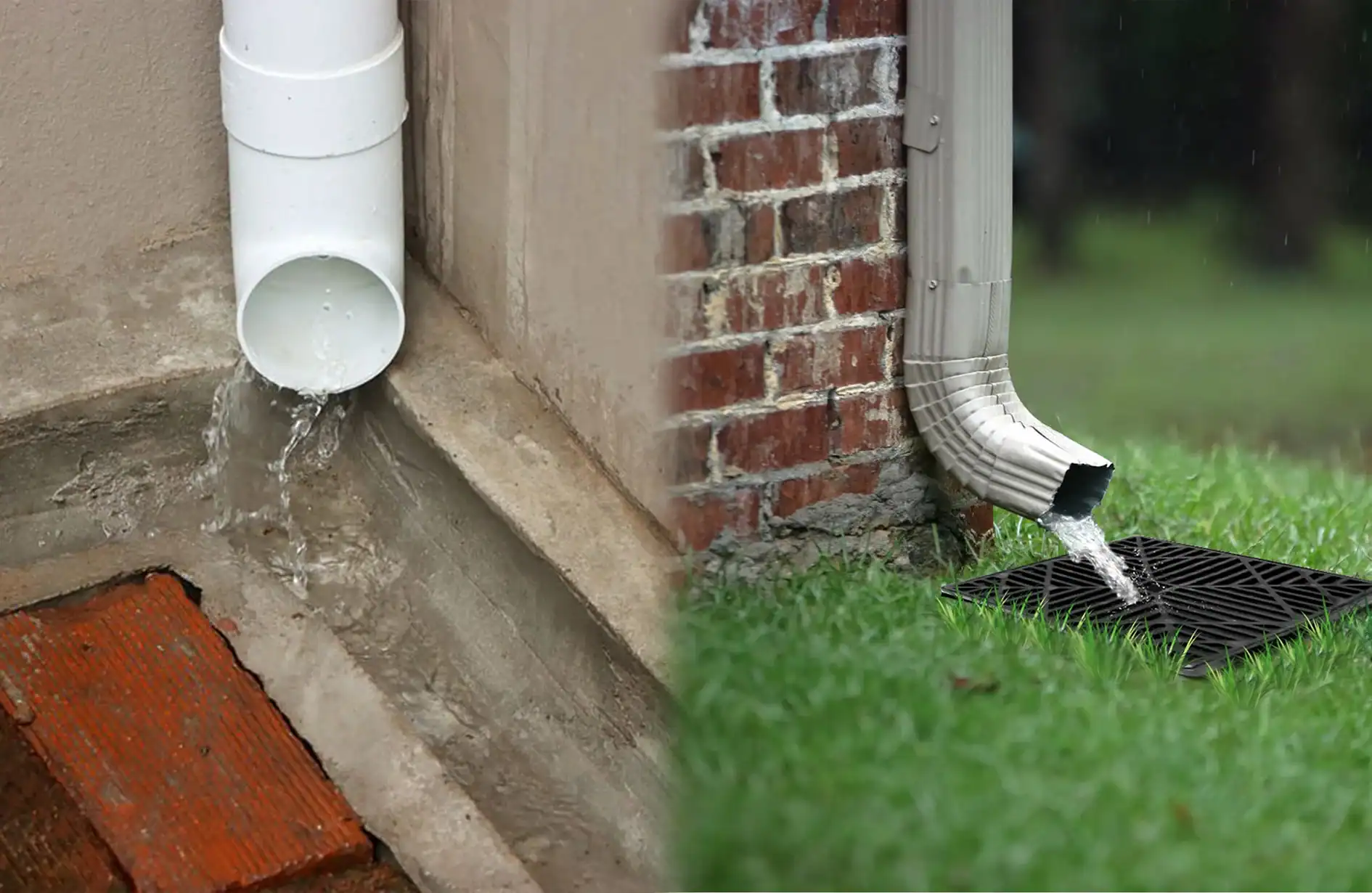
8) Not managing roof runoff and downspouts
A downspout dumping near the edge of a patio can damage the hardscaping over time.
What happens
- Concentrated water erodes the base
- corners settle first
- pavers or slabs shift at the perimeter
- ice forms where runoff pools in winter
Better approach
Downspouts should discharge to a controlled area away from hardscape or into a planned drainage path that can handle the volume.
9) Using the wrong jointing sand or leaving joints unprotected
Paver joints aren’t just cosmetic—they’re part of how the system locks together and sheds water.
What happens
- Water flows through loose joints faster
- joints wash out
- weeds appear
- pavers loosen and rock
- shifting spreads across the surface
Better approach
Use the correct jointing product for the project, fill joints fully, and keep them properly maintained so the surface stays tight.
10) Building retaining walls without proper drainage behind them
If you’re doing Hardscaping in Anchorage and adding a retaining wall, drainage becomes even more critical.
What happens
- Water pressure builds behind the wall
- wall sections bulge or lean
- Soil becomes heavy and unstable
- Freeze-thaw worsens movement
- Failure risk increases over time
Better approach
Retaining walls require drainage stone, proper backfill, and a means for water to drain away so pressure doesn’t build behind the structure.
The Early Warning Signs Your Hardscape Has Drainage Problems
If your patio or walkway is already installed, these signs often point to drainage issues:
- puddles that don’t dry quickly
- pavers that rock when stepped on
- joints widening or sand disappearing
- edges separating from borders
- Recurring weeds in specific areas
- low spots that collect ice in winter
- a “soft” feeling near one section after rain
Catching these early can reduce the scope of repair and keep small problems from becoming a full rebuild.
Smart Drainage Fixes That Protect Hardscaping in Anchorage
Here are practical fixes and improvements that often make a big difference:
Regrading around the hardscape
Sometimes the simplest answer is to reshape the surrounding soil so water flows away from the patio instead of toward it.
Creating a controlled runoff path
A subtle swale or grading channel can direct water away without looking like a trench.
Improving downspout discharge
Redirecting roof runoff is one of the most effective ways to prevent edge settling and winter ice buildup.
Adding drainage solutions for problem zones
In persistent wet areas, you may need targeted drainage features that keep the base from staying saturated.
Rebuilding small sections correctly
If only one area is sinking, fixing the base and drainage in that zone can stop the issue from spreading.
Budgeting Smart: Drainage Costs Less Than Repairs
It’s tempting to trim costs by reducing base depth, skipping proper compaction, or ignoring runoff planning. But drainage shortcuts can turn into repeated repairs, like:
- re-leveling sections every season
- resetting edges that keep drifting
- replacing cracked slabs or shifted steps
- Rebuilding a retaining wall that starts leaning
A well-planned drainage approach is usually cheaper than dealing with recurring failure.
Hardscaping in Anchorage: Where Professional Planning Pays Off
Hardscaping looks simple on the surface. But in Anchorage, the difference between “looks good this summer” and “looks good for years” is often:
- base prep quality
- grading accuracy
- water routing
- winter melt behavior
- how edges and joints are locked in
If you want your patio, walkway, or retaining wall to stay stable, drainage should be incorporated into the design—not an afterthought.
For project planning and long-lasting builds, Be Happy Property Services can help you choose a design that fits your yard and handles real Alaska conditions.
FAQs: Hardscaping in Anchorage Drainage Problems
1) Why do pavers sink in Anchorage?
Most sinking results from water saturating the base, poor compaction, or base material washing out over time—often exacerbated by freeze-thaw cycles.
2) Do paver patios need drainage if water can pass through the joints?
Yes. Water passing through joints still needs a stable, draining base underneath. Otherwise, the base can soften and settle.
3) How do I prevent ice buildup on my patio in winter?
Good slope, controlled runoff paths, and managing downspout discharge help reduce pooling. Texture and snow management also matter for traction.
4) What causes retaining walls to lean or bulge?
Most commonly: poor drainage behind the wall. Water pressure builds up, soil becomes heavier, and movement increases—especially during freeze-thaw periods.
5) Can a sinking patio be fixed without rebuilding everything?
Often, yes—if the problem is isolated. A section can be lifted, the base corrected, and drainage improved so the issue doesn’t keep returning.

Jacob Bishop is the founder and CEO of Be Happy Property Services. With a strong background in property management and customer service, Jacob has dedicated himself to creating a company that prioritizes client satisfaction and seamless property experiences. His extensive knowledge and hands-on approach have earned him a reputation for excellence in the industry. Jacob’s passion for real estate and commitment to happy living spaces make him a trusted leader in property services.