Your lawn is more than just a patch of grass—it’s the welcome mat to your home, the first thing guests and neighbors notice, and a living, breathing canvas that reflects your personality and care. Whether you have a sprawling acre of green or a cozy patch of turf, improving your yard can elevate your home’s curb appeal and give you a sense of pride every time you step outside. If you’re new to lawn care, don’t worry! With a few simple strategies and a bit of dedication, you can transform your outdoor space into a lush, inviting oasis.
In this guide, we’ll walk you through three surefire ways to better your yard, from the basics of cleanliness to adding personal touches that make your space uniquely yours. Plus, we’ll answer some of the most common questions beginners have about lawn care.
1. Keep It Clean: The Foundation of a Beautiful Lawn
Why Cleanliness Matters
It might sound simple, but keeping your lawn and outdoor space clean is the most fundamental—and often overlooked—step in lawn care. A tidy yard sets the stage for everything else you want to accomplish. It’s like prepping a canvas before you paint: without a clean foundation, nothing else will look quite right.
The Basics of Lawn Tidying
Start with the obvious:
-
Mow the grass regularly. Keeping your grass trimmed not only looks neat but also encourages healthy growth.
-
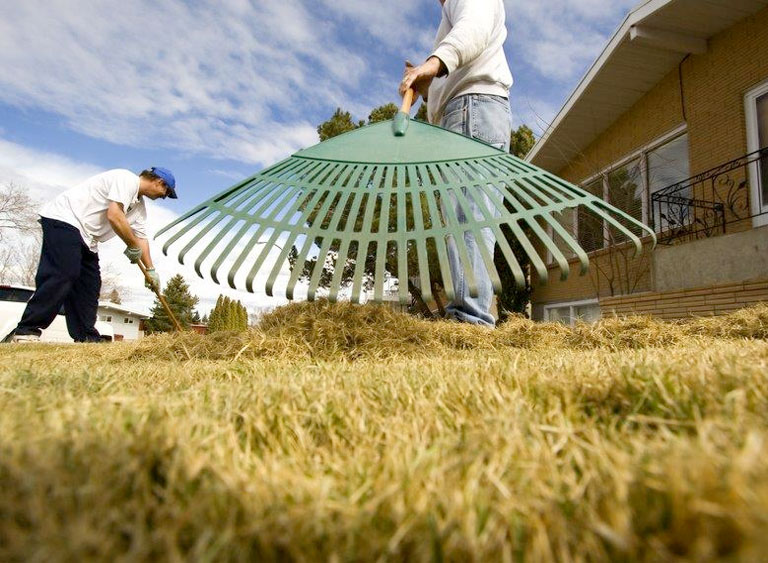
Rake the leaves. Fallen leaves can smother your grass, block sunlight, and create a breeding ground for pests and diseases.
-
Sweep hard surfaces. Porches, patios, and walkways benefit from a quick sweep to remove dirt, leaves, and debris.
-
Remove clutter. Toys, garden tools, and random objects can make your yard look messy and uninviting.
Pro Tip:
Set aside a specific time each week for outdoor tidying. Even just 30 minutes can make a huge difference!
Going the Extra Mile
Once you’ve mastered the basics, consider these additional steps:
-
Edge your lawn. Use a string trimmer or lawn edger to create crisp lines along sidewalks, driveways, and flower beds.
-
Weed regularly. Pull weeds by hand or use a weeding tool to keep your lawn and garden beds looking pristine.
-
Clean up after pets. Pet waste not only looks unsightly but can also damage your grass.
Seasonal Clean-Up
Every season brings its own set of lawn care challenges:
-
Spring: Remove winter debris, dethatch your lawn, and prepare flower beds.
-
Summer: Stay on top of mowing and watering, and watch for weeds.
-
Fall: Rake leaves frequently and prepare your lawn for winter.
-
Winter: Store outdoor furniture, cover delicate plants, and keep pathways clear of snow and ice.
The Impact of a Clean Lawn
A clean, well-maintained lawn instantly boosts your home’s curb appeal. It shows that you care about your property and sets a welcoming tone for visitors. Plus, regular cleaning makes other lawn care tasks easier and more effective.
2. Make a Wishlist: Planning Your Dream Yard
Why Planning Matters
Before you start planting, building, or buying, take a moment to dream. What do you want your yard to look like? How do you want to use your outdoor space? Creating a wishlist helps you prioritize projects, set a budget, and avoid impulse purchases that might not fit your overall vision.
How to Create Your Lawn Wishlist
1. Assess Your Space:
Walk around your yard and take note of what you love, what you don’t, and what’s missing. Is there a bare spot that needs color? A shady corner perfect for a bench? A sunny stretch crying out for flowers?
2. Gather Inspiration:
Flip through magazines, browse online galleries, or visit local gardens for ideas. Pay attention to:
-
Plant varieties that thrive in your climate
-
Hardscaping elements like paths, patios, and walls
-
Water features, lighting, and decorative accents
3. Prioritize Projects:
Not everything has to happen at once. Decide which projects are most important or will have the biggest impact. Maybe you want to start with a new flower bed, then add a fire pit next year.
4. Set a Budget:
Estimate costs for plants, materials, and any professional help you might need. Remember, some projects (like planting seeds or building a small path) can be surprisingly affordable.
5. Plan for Maintenance:
Be realistic about the time and effort each project will require. Choose low-maintenance plants if you have a busy schedule, or opt for features that don’t need much upkeep.
Popular Lawn Wishlist Ideas
-
Stone or gravel pathways to guide visitors and add structure
-
Flower beds filled with colorful, seasonal blooms
-
Shade trees for beauty and comfort
-
Small water features like fountains or birdbaths
-
Outdoor seating areas for relaxation and entertaining
-
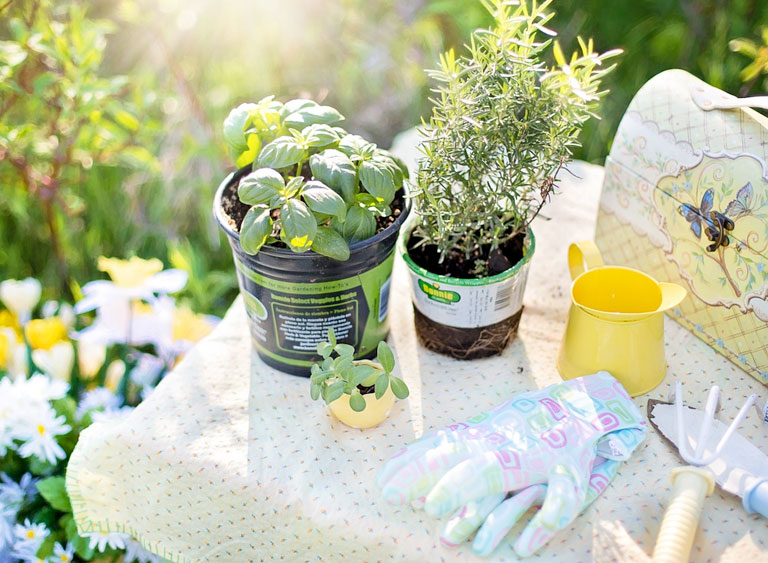
Vegetable or herb gardens for fresh, homegrown produce
-
Lighting to highlight features and improve safety at night
Research Before You Buy
Before you start digging or shopping, do a little homework:
-
Check which plants are best suited to your region and soil type.
-
Learn about sun and water requirements.
-
Consider the mature size of trees and shrubs to avoid overcrowding.
-
If you’re adding hardscaping, make sure you understand the basics of installation or consult a professional.
The Joy of Personalization
Your yard is an extension of your home. By planning and personalizing your outdoor space, you create a place that reflects your tastes, meets your needs, and brings you joy every time you step outside.
3. Add a Personal Touch: Make Your Yard Uniquely Yours
Why Personal Touches Matter
A beautiful lawn is great, but a yard with personality is unforgettable. Adding personal touches not only makes your space more enjoyable for you but also leaves a lasting impression on guests. It’s your chance to showcase your style, interests, and creativity.
Ways to Personalize Your Yard
1. Outdoor Art and Decor:
-
Place a colorful sculpture, wind chime, or garden gnome in a prominent spot.
-
Hang decorative lanterns or string lights for evening ambiance.
-
Install a birdhouse or feeder to attract local wildlife.
2. Furniture and Gathering Spaces:
-
Add a bench, swing, or hammock for relaxing afternoons.
-
Create a cozy seating area with chairs and a small table.
-
Build a fire pit or grill area for outdoor entertaining.
3. Color and Plant Choices:
-
Choose flowers and plants in your favorite colors.
-
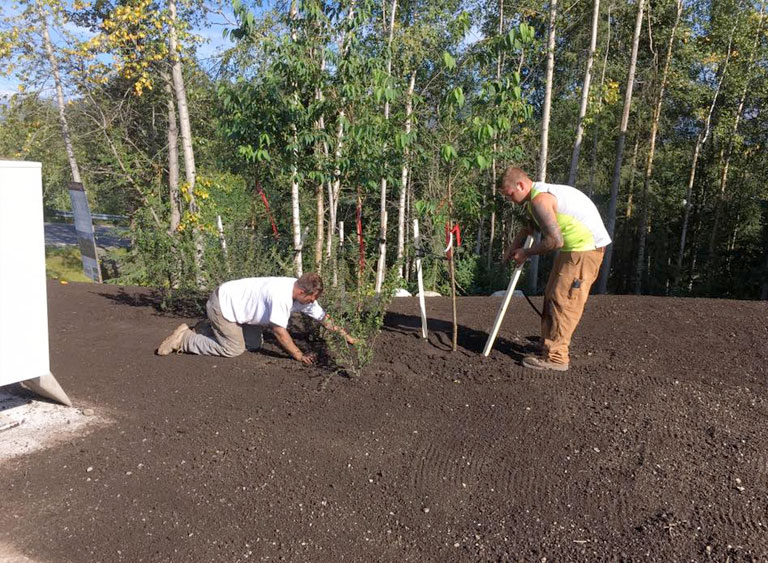
Plant a tree or shrub to commemorate a special occasion.
-
Use decorative pots or planters to add variety and interest.
4. Functional Features:
-
Install a rain barrel for sustainable watering.
-
Build raised garden beds for easy vegetable growing.
-
Add a compost bin to recycle yard waste and enrich your soil.
Tips for Adding Personal Touches
-
Start small: You don’t need to overhaul your entire yard at once. Even a single piece of art or a new flower bed can make a big impact.
-
Mix and match: Combine different elements—plants, decor, furniture—for a layered, lived-in look.
-
Think about flow: Arrange features so they guide visitors naturally through your space.
-
Reflect your lifestyle: If you love to entertain, focus on seating and gathering spots. If you’re a gardener, showcase your favorite plants.
The Result: A Yard That Feels Like Home
When you add personal touches to your yard, you create a space that’s not just beautiful, but meaningful. It becomes a place where memories are made, whether you’re hosting a barbecue, watching the sunset, or simply enjoying a quiet moment surrounded by nature.
Essential Lawn Care Tips for Beginners
To help you get started on your lawn care journey, here are some additional tips and tricks every beginner should know:
Water Wisely
-
Early morning is best: Water your lawn in the early morning to reduce evaporation and prevent disease.
-
Deep, infrequent watering: Water deeply but less often to encourage deep root growth.
-
Adjust for weather: Water more during hot, dry spells and less during rainy periods.
Mow Like a Pro
-
Don’t cut too short: Never remove more than one-third of the grass height at a time.
-
Keep blades sharp: Dull mower blades tear grass, making it more susceptible to disease.
-
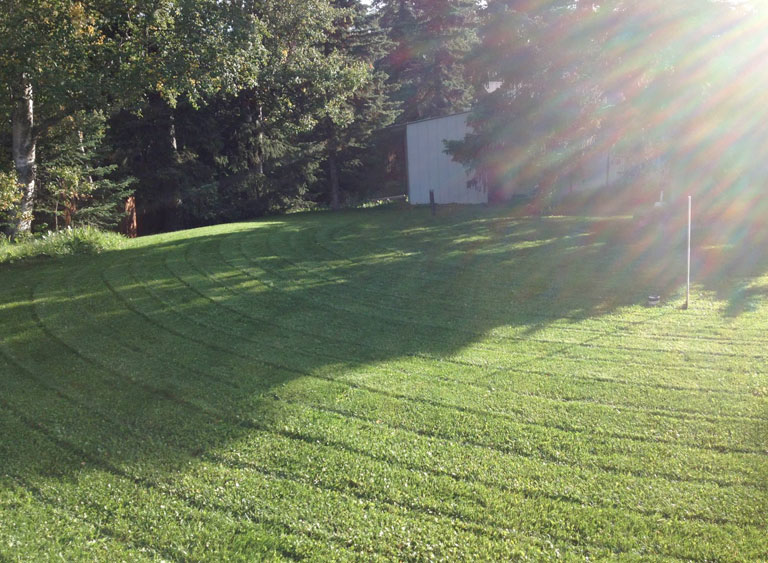
Change patterns: Vary your mowing direction each time to prevent ruts and encourage upright growth.
Feed Your Lawn
-
Fertilize appropriately: Use a balanced fertilizer suited to your grass type and local climate.
-
Don’t overdo it: Too much fertilizer can burn your lawn and harm the environment.
-
Compost: Use grass clippings and yard waste to create nutrient-rich compost for your garden.
Control Weeds and Pests
-
Mulch garden beds: Mulch helps suppress weeds and retain soil moisture.
-
Spot-treat weeds: Use a weeding tool or targeted herbicide for problem areas.
-
Watch for pests: Learn to identify common lawn pests and treat them promptly.
Aerate and Dethatch
-
Aerate annually: Aerating loosens compacted soil and improves water and nutrient absorption.
-
Dethatch if needed: Thatch is a layer of dead grass that can prevent water and nutrients from reaching the soil. Remove it if it gets too thick.
Creating a Lawn Care Routine
Consistency is key when it comes to lawn care. Here’s a simple weekly routine to keep your yard looking its best:
-
Monday: Water deeply (if needed)
-
Wednesday: Weed flower beds and lawn
-
Thursday: Mow and edge the lawn
-
Saturday: Sweep hard surfaces and tidy up
-
Sunday: Relax and enjoy your beautiful yard!
Of course, you can adjust this schedule to fit your needs and lifestyle.
Troubleshooting Common Lawn Problems
Even the best-kept lawns can run into trouble. Here are some common issues and how to address them:
Brown Spots
-
Causes: Drought, pet urine, disease, or pests
-
Solutions: Water deeply, train pets to use a specific area, treat for pests or disease as needed
Thin or Patchy Grass
-
Causes: Poor soil, shade, heavy foot traffic
-
Solutions: Reseed bare spots, improve soil with compost, reduce traffic or add stepping stones
Weeds Taking Over
-
Causes: Thin grass, poor maintenance
-
Solutions: Mow regularly, fertilize, overseed, and spot-treat weeds
Moss Growth
-
Causes: Shade, poor drainage, acidic soil
-
Solutions: Improve drainage, adjust soil pH, increase sunlight if possible
The Rewards of Lawn Care
Taking care of your lawn isn’t just about appearances—it’s about creating a space where you can relax, play, and connect with nature. A well-maintained yard can increase your home’s value, provide a habitat for birds and pollinators, and give you a sense of accomplishment.
Remember, you don’t have to do everything at once. Start with the basics, dream a little, and add personal touches as you go. With a bit of effort and creativity, you’ll have a yard you’re proud to call your own.
Frequently Asked Questions (FAQ)
1. How often should I mow my lawn?
It depends on the type of grass and the season, but generally, you should mow once a week during the growing season. In cooler months, you may only need to mow every two weeks. Always avoid cutting more than one-third of the grass height at a time.
2. What’s the best way to get rid of weeds in my lawn?
The best approach is a combination of prevention and targeted removal. Keep your grass healthy and thick to crowd out weeds, mow regularly, and spot-treat weeds with a weeding tool or selective herbicide. Mulching garden beds also helps suppress weed growth.
3. How much should I water my lawn?
Most lawns need about 1 to 1.5 inches of water per week, including rainfall. Water deeply and less frequently to encourage deep root growth. Early morning is the best time to water to minimize evaporation and disease risk.
4. Can I improve my lawn without spending a lot of money?
Absolutely! Many lawn improvements, like regular mowing, weeding, and adding compost, are low-cost or even free. Start small, use seeds instead of sod, and repurpose materials for garden projects. Over time, even small changes can make a big difference.
5. What are some easy ways to add personality to my yard?
Try adding colorful planters, a unique piece of outdoor art, a cozy seating area, or solar-powered lights. Even small touches, like a birdbath or a homemade stepping stone, can make your yard feel more inviting and reflect your personal style.

Jacob Bishop is the founder and CEO of Be Happy Property Services. With a strong background in property management and customer service, Jacob has dedicated himself to creating a company that prioritizes client satisfaction and seamless property experiences. His extensive knowledge and hands-on approach have earned him a reputation for excellence in the industry. Jacob’s passion for real estate and commitment to happy living spaces make him a trusted leader in property services.