Lawn care doesn’t need to be a pain in the butt. Getting your lawn to look amazing takes several steps and, for the uninformed, a good deal of effort. But with the right strategies, you can transform your yard into a lush, green oasis without spending every weekend toiling away. Whether you’re a beginner or a seasoned green thumb, this comprehensive guide will help you understand the secrets to easy, effective lawn care—especially for Alaskan homeowners facing unique climate challenges.
Why Lawn Care Matters
A healthy lawn does more than boost curb appeal. It helps prevent soil erosion, absorbs rainfall, cools your home, and provides a safe, comfortable space for family and pets. In Alaska, where the growing season is short and winters are harsh, taking the right approach early in the season can make all the difference in how your yard looks and feels all summer long.
Understanding Your Lawn: The Basics
Before diving into specific tips, it’s important to understand the foundational elements of lawn care:
Soil Health: The quality of your soil determines how well your grass will grow. Conduct a soil test to check for nutrient deficiencies and pH imbalances. This will help you choose the right fertilizer and amendments for your lawn.
Grass Type: Different grasses thrive in different climates. In Alaska, cool-season grasses like fine fescue and perennial ryegrass are popular choices because they handle cold weather and short summers well.
Climate Considerations: Alaskan lawns face unique challenges—long winters, rapid seasonal transitions, and a compressed window for growth. Early preparation and the right care techniques are essential for success.
Lawn Care Secret #1: Stop Catching Your Grass
In this article, we’re going to expose a lawn care secret that most Alaskan homeowners might not be aware of. You might be anticipating some sort of time-intensive DIY home concoction. Our secret is quite the opposite. Rather than taking extra steps to make your lawn look better, we’re going to recommend the opposite. That’s right, cut out some of your lawn care practices and your lawn just might prosper.
Stop Catching Your Grass
Lawn care secret #1: stop catching your grass. Many of us go through painstaking efforts to catch and dispose of our grass clippings. Though this does create a nice clean yard for the kids to play in, it hinders the prosperity of your grass. If your yard is struggling to come back to life from a dry winter, removing the grass catch from your lawn mower will help speed up its natural process. Don’t take this the wrong way, it’s still a great idea to spread lawn fertilizer and the spring fixings. So removing your grass catch isn’t the only step you need to take. Along with plenty of water, a good amount of fertilizer and regular cutting, this trick will quickly accelerate the growth of your grass.
The Science Behind Grass Clippings
Grass clippings are a natural source of nutrients for your lawn. When left on the grass, they break down quickly and return valuable nitrogen, phosphorus, and potassium to the soil. This process, known as “grasscycling,” acts as a free, organic fertilizer that supports healthier, thicker turf.
Clippings contain about 4% nitrogen, 0.5% phosphorus, and 2% potassium. Returning them to the lawn can supply up to 25% of your lawn’s total fertilizer needs throughout the growing season. As clippings decompose, they add organic matter to the soil, improving its structure and water retention capabilities. Leaving clippings on the lawn keeps them out of landfills and reduces the need for chemical fertilizers.
How to Grasscycle Effectively
Mow frequently. Cut your grass twice a week during the peak growing season. This ensures clippings are small and decompose quickly, minimizing residue and mess.
Use a mulching mower. Mulching mowers are designed to finely chop clippings, helping them settle into the lawn and break down faster.
Avoid cutting when wet. Wet grass clumps and can smother your lawn. Always mow when the grass is dry for the best results.
Don’t remove clippings unless necessary. Only remove clippings if they form clumps or mats that could block sunlight and air from reaching the grass.
Common Concerns About Grass Clippings
Some homeowners worry that leaving clippings will cause thatch buildup. However, thatch is primarily composed of roots and stems, not clippings. As long as you mow regularly and avoid over-fertilizing, grasscycling won’t contribute to thatch problems.
Less Lawn Care, Better Lawn
Without the need to use your grass catcher, or empty the darn thing, you’ll be able to mow your yard in less than half the time. Just run over it quickly and be done. Mowing any less than twice a week will leave a bigger mess of grass clippings behind, and take longer for the clippings to decompose. So for that reason, it’s really best to mow fairly often. Even if you’re mowing more often with this trick, you’re likely spending less time overall per week with your lawn care.
Time-Saving Benefits
Faster mowing is one benefit—no need to stop and empty the bag. You’ll also experience less physical labor since there’s no raking or hauling clippings to the compost or curb. Most importantly, your lawn will be healthier, as more nutrients and organic matter stay in your yard, reducing the need for chemical fertilizers and watering.
Lawn Care Secret #2: Alternate Your Mowing Direction
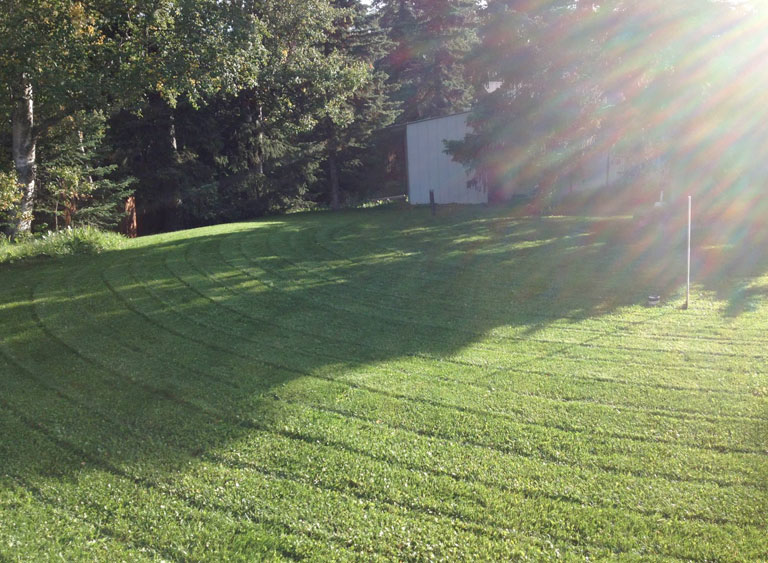
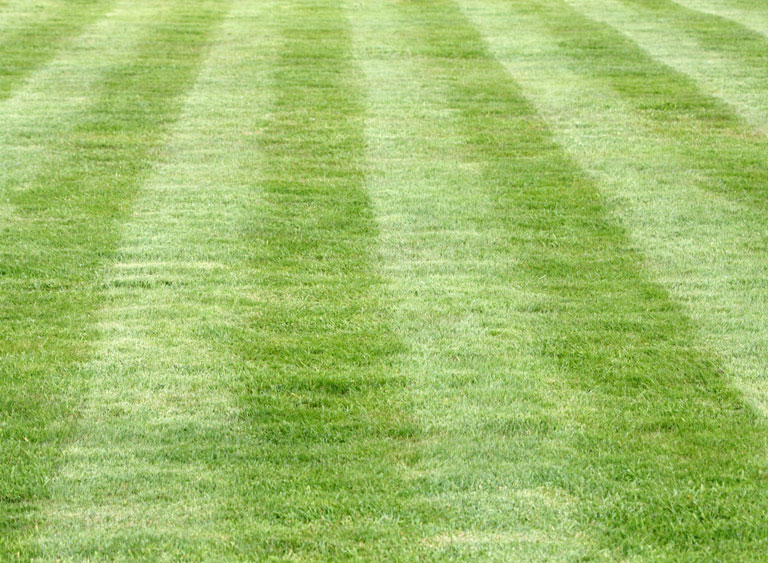
Another piece of good practice for lawn care is to alternate the direction of your mowing every time you mow. If you normally start in one corner and mow vertically up and down your yard, try mowing horizontally every other mow to create a grid effect. This will pull the grass into a larger variety of directions and help create less stress on the grass. This also creates a nice grid effect on your yard, which most homeowners would agree is desirable.
Why Change Your Mowing Pattern?
Changing your mowing direction prevents soil compaction, as mowing in the same direction every time can compact the soil, making it harder for roots to grow and for water to penetrate. Alternating patterns helps grass blades grow more upright, resulting in a thicker, healthier lawn. It also reduces wear and tear by minimizing ruts and tracks from your mower, keeping your yard looking smooth and even.
The Complete Seasonal Lawn Care Calendar
A beautiful lawn isn’t just about what you do in spring. Each season brings unique tasks and challenges. Here’s a breakdown of what to do throughout the year to keep your lawn thriving:
Spring:
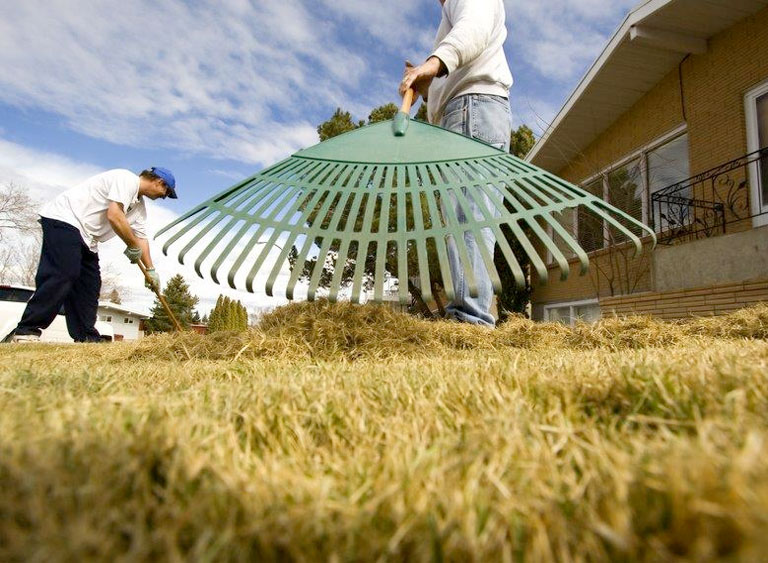
Clean up by raking away leaves, twigs, and winter debris to prevent mold and allow sunlight to reach the grass. Aerate to relieve soil compaction and allow air, water, and nutrients to reach the roots. Overseed to fill in bare or thin spots with new grass seed, especially after harsh winters. Fertilize with a balanced, slow-release fertilizer to jumpstart growth. Apply pre-emergent herbicides for weed control to prevent weeds before they sprout.
Summer:
Mow high by setting your mower to 2.5–3 inches. Taller grass shades the soil, conserves moisture, and crowds out weeds. Water deeply and early in the morning, providing about 1 inch per week, to encourage deep roots and drought resistance. Monitor for pests by watching for signs of insects and disease, and remove standing water to prevent mosquito breeding. Keep up with regular mowing, but never remove more than one-third of the grass blade at a time.
Fall:
Aerate again, as fall is another prime time for aeration, especially before winter sets in. Fertilize with a final round of fertilizer to strengthen roots for the winter. Manage leaves by raking or mulching fallen leaves to prevent smothering the grass. Give your lawn a final mow, cutting the grass shorter before winter to prevent snow mold and rodent damage.
Winter:
Minimize traffic by avoiding walking on frozen or snow-covered grass to prevent compaction and damage. Remove ice buildup to avoid diseases like snow mold. Use winter to plan next year’s lawn improvements and maintenance schedule.
Advanced Lawn Care Tips
Soil Testing and Amendments:
Healthy soil is the foundation of a great lawn. Test your soil every 2–3 years to monitor pH and nutrient levels. Amend as needed with lime or sulfur to balance pH, and add compost to improve soil structure and fertility.
Aeration:
Aerating your lawn once or twice a year helps alleviate compaction, improves drainage, and encourages deep root growth. Use a core aerator for best results, especially in high-traffic areas.
Fertilization:
Fertilize based on your soil test results and grass type. Use a slow-release, nitrogen-rich fertilizer in spring and fall. Avoid over-fertilizing, which can lead to thatch buildup and water pollution.
Watering Wisely:
Water deeply and infrequently. Early morning is the best time to water, as it reduces evaporation and fungal risks. Use a rain gauge or tuna can to measure how much water your lawn receives. Avoid daily, shallow watering, which encourages weak, shallow roots.
Weed Control:
A thick, healthy lawn is your best defense against weeds. Use pre-emergent herbicides in early spring and spot-treat with post-emergent products as needed. Hand-pulling weeds is effective for small infestations.
Pest and Disease Management:
Most lawn insects are harmless or even beneficial, but keep an eye out for grubs, chinch bugs, and fungal diseases. Healthy soil and proper maintenance are your best defenses against pests and disease.
Dealing with Bare Spots:
If you have persistent bare spots, consider overseeding or planting ground covers that thrive in your region. Native plants are often more resilient and require less maintenance.
Tools Every Homeowner Should Have
Every homeowner should have a lawn mower (preferably with a mulching feature), a rake and dethatching rake, a core aerator (which can be rented seasonally), a fertilizer spreader, a hose and sprinkler or irrigation system, a soil test kit, and a weed puller or hand weeder. These tools help you maintain your lawn efficiently and effectively.
Common Lawn Care Problems and Solutions
Many homeowners encounter similar lawn care challenges. For weeds, maintaining a thick lawn, using pre- or post-emergent herbicides, and hand-pulling are effective strategies. If you notice yellowing or brown spots, check your watering routine, fertilize properly, aerate, and test for pests or disease. Bare patches can be addressed by overseeding, amending soil, and improving drainage. Thatch buildup is best managed by dethatching in spring or fall, avoiding over-fertilizing, and mowing regularly. For compacted soil, aerate once or twice a year to restore healthy growth.
Mulching vs. Bagging: Which Is Best?
Mulching, or leaving clippings on the lawn, is generally best for most lawns, as it returns nutrients and saves time. However, bagging may be necessary if you’re mowing overgrown grass and clippings clump, dealing with disease and want to remove infected material, or if you have specialty grasses that require bagging for best appearance. For most Alaskan lawns, mulching is the way to go for a greener, healthier yard.
Environmental and Cost Benefits
Grasscycling can reduce your fertilizer needs by up to 25%. Healthier soil with more organic matter retains water better, reducing your irrigation needs. Fewer clippings sent to landfills mean a smaller environmental footprint. Less fertilizer, fewer chemicals, and less time spent mowing and raking add up to real savings for homeowners.
Quick Tips for Easy Lawn Care
Mow high and often, but never cut more than one-third of the blade at a time. Water deeply, early in the morning, and only when needed. Leave grass clippings on the lawn for free fertilizer. Aerate and overseed in spring and fall for thick, healthy turf. Alternate mowing patterns to reduce compaction and encourage upright growth. Test your soil every few years and amend as needed. Use organic fertilizers and compost to improve soil health and reduce chemical use. Address bare spots and thin areas promptly with overseeding or ground covers. Stay on top of weed, pest, and disease control with regular inspections and prompt treatment.
Conclusion
Mulching your clippings back into your lawn isn’t for everyone. In Alaska, we really like to enjoy our yard for the short summer that we have it. So if the clippings mess is just too much for you, then stick to what works best for your yard. Remember, the key to a beautiful, low-maintenance lawn is to work with nature, not against it. By following these tips, you can spend less time working on your lawn and more time enjoying it. For more information on lawn care, visit our lawn care page. To read more about the conscious battle between mulching and catching your grass, check out additional resources from lawn care experts. Good luck with your lawn care, and as always, don’t hesitate to reach out for a quote if you need help with your lawn care needs.
Frequently Asked Questions (FAQ)
How often should I mow my lawn?
Mow your lawn at least once a week during the growing season, or twice a week if you’re grasscycling. Never remove more than one-third of the grass blade at a time to avoid stressing your lawn.
What is the best time of day to water my lawn?
The best time to water is early in the morning, between 6:00 am and 8:00 am. This allows the grass to absorb moisture before the heat of the day and reduces the risk of fungal diseases.
Should I bag my grass clippings or leave them on the lawn?
In most cases, leave clippings on the lawn. They decompose quickly and return valuable nutrients to the soil. Only bag clippings if they’re excessively thick, wet, or diseased.
How do I prevent weeds from taking over my lawn?
Maintain a thick, healthy lawn through regular mowing, fertilizing, and watering. Use pre-emergent herbicides in early spring and spot-treat weeds as needed. Hand-pulling is effective for small infestations.
When should I fertilize my lawn?
Fertilize in early spring and again in fall with a slow-release, nitrogen-rich fertilizer. Always base your fertilization schedule on a soil test for best results.

Jacob Bishop is the founder and CEO of Be Happy Property Services. With a strong background in property management and customer service, Jacob has dedicated himself to creating a company that prioritizes client satisfaction and seamless property experiences. His extensive knowledge and hands-on approach have earned him a reputation for excellence in the industry. Jacob’s passion for real estate and commitment to happy living spaces make him a trusted leader in property services.