
A vibrant lawn is the pride of any homeowner, but achieving it requires more than just mowing and watering. Responsible lawn care involves understanding when and how to use pesticides, prioritizing soil health, and exploring eco-friendly alternatives. This comprehensive guide walks you through safe and effective lawn maintenance, from identifying problems to choosing the right products and minimizing environmental impact.
Key Takeaways
-
Always diagnose lawn problems before reaching for pesticides.
-
Follow label instructions for every chemical product to ensure safety.
-
Improve soil health through aeration, pH management, and proper watering.
-
Consider nonchemical solutions first to reduce chemical exposure.
-
Protect water sources and wildlife by avoiding runoff and drift.
Why Lawn Care Chemicals Matter
Choosing the Right Product
Selecting the correct lawn care chemical is vital for targeted pest control and minimizing risks. Using the wrong product can harm beneficial plants, wildlife, and even your family. Always check the product label for guidance, as it is a legal document outlining safe and effective use. Proper selection ensures you treat only the problem at hand and avoid unnecessary chemical exposure.
Common Types of Lawn Care Chemicals
| Chemical Type | Purpose | Example Uses |
|---|---|---|
| Herbicides | Control weeds | Dandelion, crabgrass removal |
| Insecticides | Manage insect pests | Grubs, ants, aphids |
| Fungicides | Treat fungal diseases | Brown patch, rust |
| Fertilizers | Promote growth and vitality | Nitrogen, phosphorus, potassium |
| Soil Amendments | Adjust pH and improve soil conditions | Lime for acidic soils |
Each type of chemical addresses a specific lawn challenge. Natural and organic options are often less toxic but still require caution. Identifying your lawn’s needs helps you select the safest and most effective solution.
Environmental and Safety Considerations
Improper use of lawn chemicals can contaminate water sources, harm wildlife, and damage surrounding plants. Always apply chemicals as directed on the label, and avoid use near wells, septic systems, or storm drains. Wearing protective gear—such as gloves, long sleeves, and closed-toe shoes—minimizes personal risk and ensures safe handling.
Steps for Effective Lawn Treatment
Identifying Lawn Problems
Accurate diagnosis is the first step. If you’re unsure about the pest or disease affecting your lawn, consult your local Cooperative Extension Service or garden center. Their experts can help identify the issue and recommend tailored solutions.
Soil Testing and Analysis
Healthy soil is the foundation of a thriving lawn. Most grasses prefer a soil pH between 6.0 and 6.5. Test your soil to determine nutrient levels and pH. Proper amendments, like lime or fertilizer, should only be applied based on test results, reducing the need for chemical interventions.
Non-Chemical Solutions
Before turning to pesticides, try cultural practices like aeration, proper watering, and thatch management. These methods often reduce pest pressure and minimize chemical use, supporting a more sustainable lawn.
Selecting and Using Pesticides Safely
Understanding Toxicity
All pesticides are toxic, so always choose the least hazardous option for your needs. Natural pesticides may be less toxic but still require caution. The goal is to minimize exposure while effectively managing pests.
Reading and Following Labels
The pesticide label provides legal instructions for safe and effective use. It details ingredients, safety recommendations, application rates, and environmental warnings. Always read the label before purchase and use to understand the necessary precautions.
Personal Safety Equipment
At minimum, wear long pants, a long-sleeved shirt, chemical-resistant gloves, and closed-toe shoes. If the label recommends additional protection, such as a respirator, use it. Proper safety gear protects your skin, eyes, and lungs from harmful chemicals.
Application Techniques
Mixing and Measuring
Measure pesticides exactly as directed on the label. Overapplication is illegal and ineffective. Wear safety equipment before opening containers, and use dedicated utensils for mixing to prevent contamination.
Drainage and Runoff
Observe your lawn’s drainage before applying chemicals. Avoid application on slopes where runoff can carry chemicals into water sources or harm nearby plants and wildlife.
Timing and Weather
Apply pesticides during calm, dry weather to prevent drift and runoff. Avoid application during windy or rainy conditions to ensure effectiveness and minimize environmental contamination.
Eco-Friendly Lawn Care Alternatives
Soil Health and Aeration
Aerating your lawn reduces soil compaction, allowing air, water, and nutrients to reach roots. This encourages deep root growth and reduces the need for chemical treatments.
Thatch Management
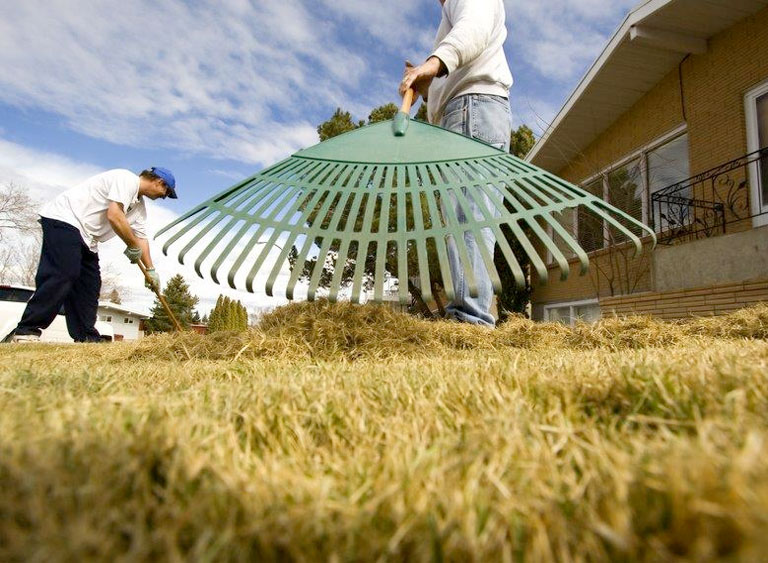
A thick thatch layer blocks nutrients and water, increasing pest and disease risks. Keep thatch under ½ inch by regular monitoring and mechanical dethatching.
Watering Practices
Apply about ½ to 1 inch of water per week, focusing on deep, infrequent watering. This encourages deeper roots and reduces surface runoff that can carry chemicals into nearby ecosystems.
Nutrient Management
Soil pH Importance
Soil pH affects nutrient availability. Most lawn grasses thrive with a pH between 6.0 and 6.5. Testing soil pH ensures optimal nutrient uptake and lawn health.
Lime and Fertilizer Use
Lime adjusts soil pH, while fertilizers provide essential nutrients. Use proper safety equipment when handling these chemicals and apply only as needed based on soil tests.
Fertilizer Scheduling
Most lawns benefit from at least two fertilizer applications annually, typically in spring and late summer or early fall. Proper timing promotes healthy root growth and resilience against pests and drought.
FAQ
1. How do I know if my lawn needs pesticides?
Diagnose the problem by identifying the pest or disease affecting your lawn. Consult your local Cooperative Extension Service or garden center for help. Consider nonchemical solutions first, and only use pesticides if other methods are ineffective and the pest is causing significant damage.
2. What safety gear should I wear when applying lawn chemicals?
Always read the product label for safety requirements. At minimum, wear long pants, a long-sleeved shirt, chemical-resistant gloves, and closed-toe shoes. If the label recommends a respirator, use one. Proper gear protects your skin, eyes, and lungs from harmful chemicals.
3. Can I maintain a healthy lawn without chemicals?
Yes, many lawn problems can be managed with cultural practices like aeration, proper watering, and thatch management. Healthy soil and regular maintenance reduce the need for chemical treatments and support a more sustainable lawn.
4. What are the environmental risks of lawn pesticides?
Improper use of pesticides can harm water resources, wildlife, and surrounding plants. Runoff from sloped lawns can carry chemicals into streams or ponds, threatening ecosystems. Always follow label instructions, avoid application near wellheads or storm drains, and use proper protective equipment to minimize environmental contamination.
5. How do I choose the best fertilizer for my lawn?
Select a fertilizer based on your soil test results. Most lawns benefit from fertilizers labeled 22-11-11, applied at least twice annually. Proper application timing, typically in spring and late summer or early fall, promotes healthy root growth and lawn vitality. Always follow label instructions and use safety equipment when handling fertilizers.

Jacob Bishop is the founder and CEO of Be Happy Property Services. With a strong background in property management and customer service, Jacob has dedicated himself to creating a company that prioritizes client satisfaction and seamless property experiences. His extensive knowledge and hands-on approach have earned him a reputation for excellence in the industry. Jacob’s passion for real estate and commitment to happy living spaces make him a trusted leader in property services.