Excavation is the foundation of every construction project, shaping the landscape and preparing the ground for the structures to come. Whether you’re working on a home, office, or infrastructure, a well-executed excavation sets the stage for safety, durability, and efficiency. Follow these five steps to ensure your excavation process runs smoothly and meets all project requirements.
Step 1: Initial Site Evaluation and Risk Assessment
Before any machinery arrives, conduct a comprehensive evaluation of the site. This includes analyzing the land’s contours, soil type, and potential risks such as unstable ground or hidden utilities. Use modern surveying tools and consult with geotechnical experts to create a risk profile for your project. Identifying these factors early helps prevent costly delays, accidents, and structural issues down the line.
Step 2: Regulatory Compliance and Permit Acquisition
Excavation is subject to strict local, state, and federal regulations. Start by researching the specific permits and approvals needed for your project. This often includes environmental assessments, safety certifications, and zoning clearances. Engage with authorities early to streamline the process and avoid unexpected shutdowns or legal complications. Compliance not only keeps your project legal but also ensures worker safety and environmental protection.
Step 3: Site Preparation and Utility Mapping
Clear the site of all vegetation, debris, and obstacles. Carefully map out the location of underground utilities—such as water, gas, and electrical lines—to prevent accidental damage. Use advanced tools like ground-penetrating radar for accuracy. Implement erosion control measures like silt fences and sediment traps to minimize environmental impact and keep the site safe for workers.
Step 4: Excavation Execution and Material Management
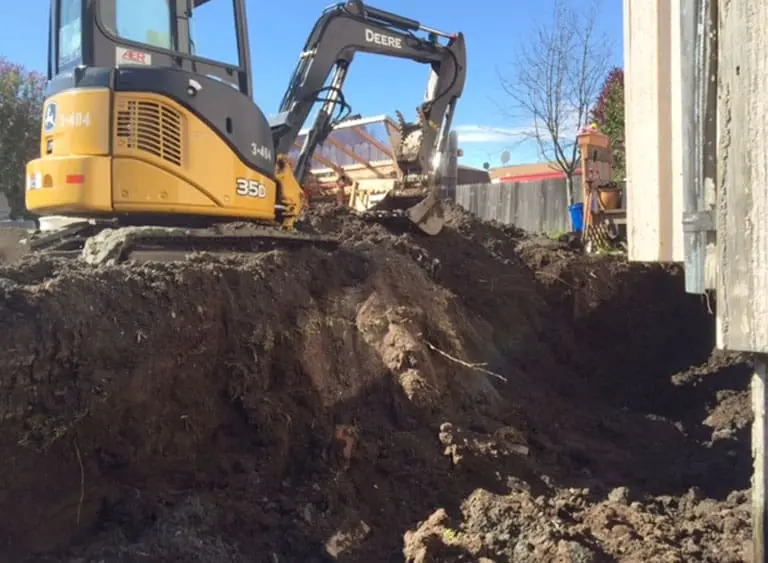
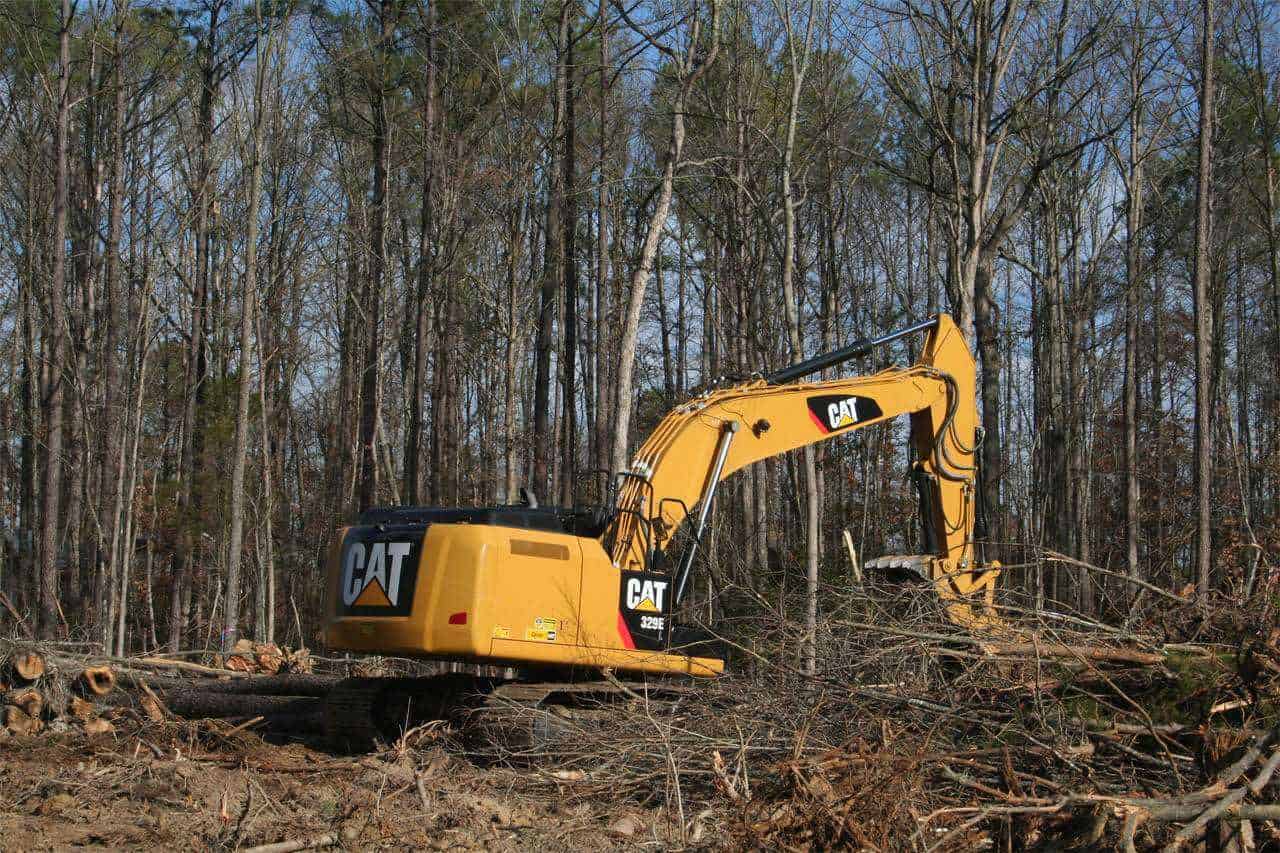
Select the right equipment for your site’s conditions—backhoes for tight spaces, excavators for deep digging, and bulldozers for large-scale grading. Execute the excavation according to your plan, monitoring depth and boundaries with regular survey checks. Manage excavated material responsibly, either by recycling, reusing, or disposing of it in compliance with local regulations. Proper material management reduces waste and supports sustainable construction practices.
Step 5: Safety Oversight and Post-Excavation Review
Safety should be a top priority throughout the excavation. Implement OSHA-compliant safety protocols, including trench shoring, regular site inspections, and emergency response plans. After excavation is complete, conduct a thorough review to ensure all work meets design specifications and safety standards. Document every step, from equipment used to any issues encountered, for future reference and regulatory compliance.
Frequently Asked Questions
Why is initial site evaluation important for excavation projects?
Initial site evaluation is critical because it identifies potential risks like unstable soil, hidden utilities, and environmental hazards. By understanding these factors early, you can plan more effectively, choose the right equipment, and prevent costly accidents or delays. This step sets the foundation for a safe and efficient excavation process.
What permits are needed for excavation work?
Excavation typically requires permits for land use, environmental impact, safety, and zoning. The exact requirements vary by location, but most projects need approval from local authorities, environmental agencies, and sometimes utility companies. Early permit acquisition helps avoid legal issues and keeps your project on schedule.
How do I prepare my site for excavation?
Site preparation involves clearing vegetation and debris, mapping underground utilities, and implementing erosion control measures. This creates a safe and organized work environment, reduces the risk of damage to existing infrastructure, and ensures compliance with environmental regulations. Proper preparation is essential for a smooth excavation process.
What safety protocols should be followed during excavation?
Safety protocols include OSHA-compliant trench shoring, regular site inspections, and emergency response plans. Workers should use appropriate safety gear, and access to excavation sites should be restricted to authorized personnel. Continuous monitoring and training help minimize accidents and ensure compliance with safety standards.
Why is post-excavation review and documentation important?
Post-excavation review confirms that all work meets design and safety specifications. Documenting every step—equipment used, issues encountered, and solutions applied—provides a valuable reference for future projects and regulatory compliance. Thorough documentation helps address problems early and supports efficient project management.

Jacob Bishop is the founder and CEO of Be Happy Property Services. With a strong background in property management and customer service, Jacob has dedicated himself to creating a company that prioritizes client satisfaction and seamless property experiences. His extensive knowledge and hands-on approach have earned him a reputation for excellence in the industry. Jacob’s passion for real estate and commitment to happy living spaces make him a trusted leader in property services.