Anchorage yards face long winters, piled snow, and short growing seasons—yet summer brings huge daylight and fast growth. The goal isn’t to battle the climate; it’s to design with it. Below is a practical guide to building a low-maintenance landscape that handles winter stress and still looks good once the snow melts.
The Three Rules of Low-Maintenance in Anchorage
- Choose the right structure first. Evergreens, hardscape lines, and durable groundcovers carry the look for 8–9 months of the snow season.
- Plant for survival, not drama. Favor cold-hardy, reliable performers. Add color with accents, not high-care divas.
- Design around snow. Plan beds, paths, and materials to handle plow berms, roof shed, and freeze–thaw cycles.
If you’d like a done-for-you plan or install, explore Be Happy Property Services’ landscaping in Anchorage—design, plant selection, and build, tailored for local conditions.
Evergreen Backbone: Year-Round Structure
Compact conifers build a clean winter silhouette and need minimal pruning:
- Dwarf spruce and fir varieties for entry accents and corners
- Columnar juniper for narrow screening
- Spreading juniper for slopes and edges that see snow shed
Why it works: You get shape, color, and privacy even in January. In summer, these forms anchor flowering perennials without much clipping.
Perennials That Come Back Strong
Pick plants known to handle cold and rebound quickly with summer light:
- Peonies for big June blooms with sturdy foliage afterward
- Siberian iris for upright texture and early color
- Delphinium for tall spikes that love long days
- Yarrow and hardy sedum (stonecrop) for low care and drought tolerance
- Native lupine for early summer color and pollinators
- Hosta and astilbe for shaded spots on the north side
Mix bloom times so something’s always happening from late spring through late summer—but keep the roster short for simpler care.
Groundcovers That Do the Quiet Work
Groundcovers reduce weed pressure and visual clutter:
- Creeping thyme on sunny edges (fragrant, foot-friendly)
- Creeping juniper on slopes and tough corners
- Low sedum mixes in rock gardens and curb strips
Once established, these spread gently and reduce the open mulch you’d otherwise maintain.
Shrubs That Don’t Ask for Much
For structure and seasonal interest with minimal pruning:
- Dwarf birch and willow cultivars for hardy texture
- Dogwood (red-twig types) for winter stem color against snow
- Spirea and potentilla for reliable summer flowers with light shaping only
Place shrubs where they’re protected from heavy roof sheds and plow berms to avoid breakage.
Hardscape: The Low-Maintenance Multiplier
Great hardscape reduces the areas of the yard that need attention and keeps your yard usable in shoulder seasons.
Paths & entries:
- Use textured pavers or stamped concrete that grip underfoot.
- Keep walk widths generous so winter shoveling is fast.
- Design gentle curves—prettier in summer, easier to clear in winter.
Patios & sitting nooks:
- Small paver circles near the leeward side of the house feel warmer and extend evening use.
- Add a fire bowl pad or a grill station with wind protection.
Edging:
- Install stone or steel edging where turf meets beds—less weeding, cleaner lines after snowmelt.
If you’re planning a refresh, Be Happy Property Services can integrate hardscaping within full landscaping designs so plant beds and paver lines work together.
Snow-Smart Layouts (So Winter Doesn’t Wreck Summer)
Know your snow paths. Where does your roof shed? Where does the city plow leave berms? Leave snow-dump zones open or plant them with tough, flexible options (such as spreading juniper or dogwood) that rebound.
Protect entries. Keep salt-tolerant groundcovers near drive edges; use gravel or mulch bands to catch splash and reduce ice melt runoff into beds.
Set back delicate plants. Keep perennials 18–24″ behind plow lines and shovel paths.
Drainage plan. Use subtle grading and dry-stream swales to move meltwater away from steps and foundations.
Mulch, Soil, and Watering: Simple, Not Fussy
- Mulch: A 2–3″ layer of shredded bark or chips moderates soil temperatures and reduces weeds. Refresh each spring lightly.
- Soil: Blend compost into new beds once; avoid heavy tilling each year.
- Watering: Drip lines on a basic timer handle establishment during the first two seasons. After that, most hardy choices cruise with minimal supplemental water.
Four Easy Design “Recipes”
1) Sunny Front Yard (low water):
- Dwarf spruce at corners
- Spirea trio under windows
- Sedum + yarrow in the mid-bed
- Creeping thyme along the walk
- Edging: steel or stone for crisp lines
2) Shade-Friendly Side Yard:
- Columnar juniper for height without width
- Hosta + astilbe under eaves
- Siberian iris, where it catches a few hours of light
- Mulch path with stepping stones
3) Rock Garden for a Tough Corner:
- Boulders set in groups of three for scale
- Low sedum mix and dwarf birch for texture
- Creeping juniper cascading over edges
- A small paver pad for a bench
4) Tiny Entry Refresh:
- Single columnar juniper by the steps
- Potentilla or spirea pair for long bloom
- Narrow paver band to widen the walk visually
- Thyme between the stones for scent
What to Skip If You Want Low-Maintenance
- Thirsty lawns in every corner—scale turf to play or pet areas only
- Big perennial mixes that need staking and deadheading every week
- Tender shrubs near the roof edges where snow slides hard
- Narrow, twisty walks that are slow to shovel
A Simple Yearly Care Calendar
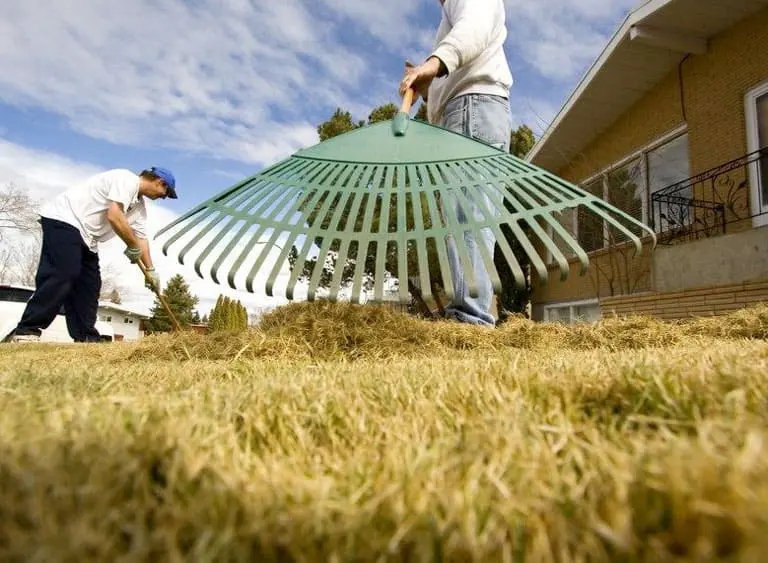
Early Spring: Rake winter debris, refresh mulch lightly, prune broken shrub tips, check edging.
Late Spring: Divide perennials if crowded, add a bag of compost to hungry spots, set drip lines.
Summer: Spot-weed once a week, deep-water during dry spells, trim spent spikes on delphinium/iris.
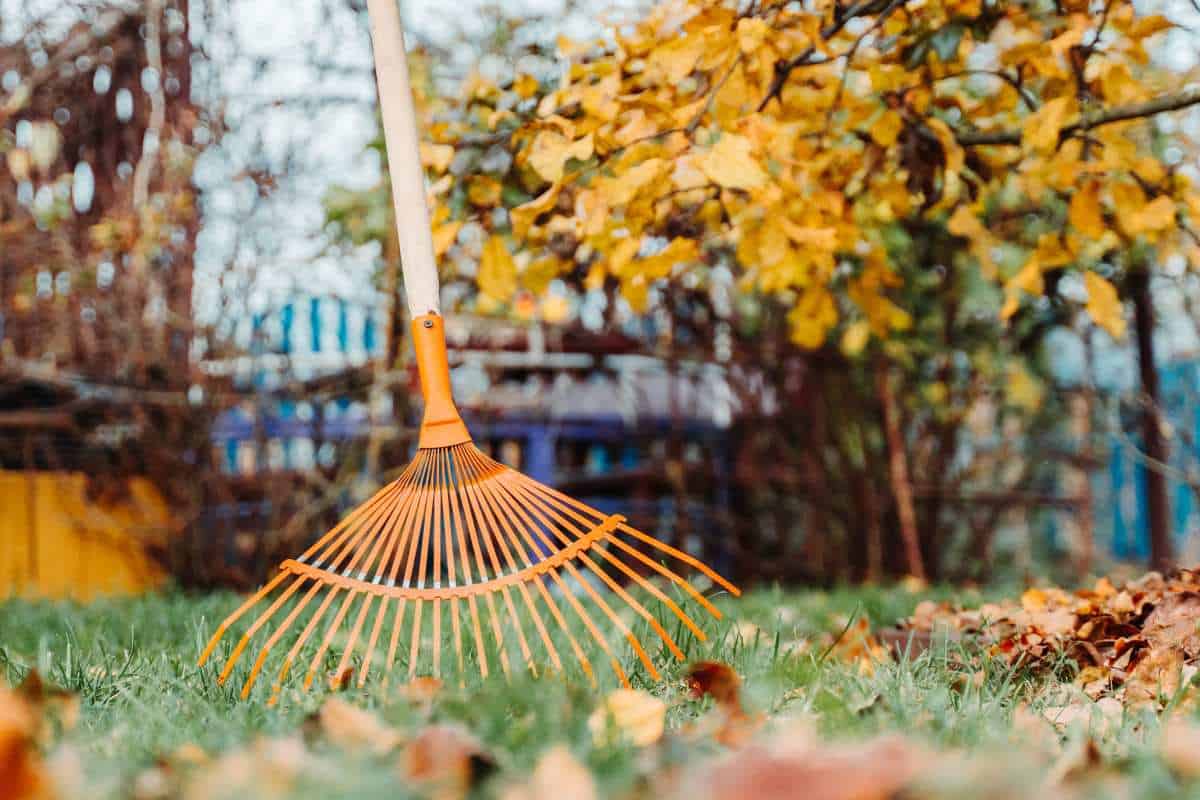
Fall: Cut back perennials that flop, leave upright seedheads for winter interest, wrap young shrubs if in a wind tunnel.
Pre-Winter: Flag driveway edges, coil hoses, and clear leaves from drains and swales.
Lawn: Keep It Minimal and Durable
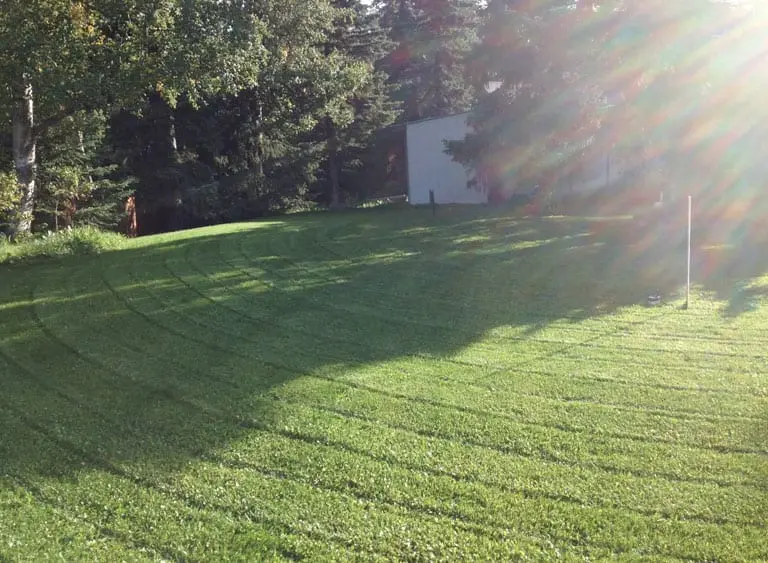
If you keep a lawn, make it strategic: a durable rectangle that’s easy to mow and quick to clear in winter. Choose a hardy seed mix, edge it cleanly, and border with groundcovers so trimming is limited.
Add Lighting the Smart Way
Simple, low-voltage path lights, a couple of warm-white uplights for evergreens, and a down-light near the entry make your yard useful in winter afternoons and cozy in summer evenings. Position fixtures so they’re protected from the roof shed and snow blowers.
Pet- and Kid-Friendly Touches
- Gravel or paver landing near the door for quick wipe-downs
- A compact, fenced side run to protect the main lawn
- Tough groundcovers where play traffic is highest
Budget Tips That Actually Help
- Phase the work. Start with hardscape and evergreens; layer perennials in year two.
- Buy fewer, larger plants. You’ll fill space faster and weed less.
- Repeat plants. A short list repeated looks intentional and is easier to maintain.
Ready for a Low-Maintenance Yard?
Set your backbone (evergreens and hardscape), then add a short roster of hardy perennials and groundcovers. Keep snow paths and drainage in mind, and your yard will shrug off winter and wake up tidy in spring—without becoming a weekend job.
If you want a plan, an installation, or a seasonal refresh that fits Anchorage’s climate, Be Happy Property Services can help with landscaping design and build—tailored to your home and schedule.
FAQs
1) What plants handle Anchorage winters but still look good in summer?
Start with compact spruce or fir, add peonies, Siberian iris, delphinium, yarrow, and hardy sedum. Use creeping thyme or juniper as groundcovers.
2) How do I protect beds from plow berms and roof sheds?
Leave open dump zones, set plants back 18–24″ from plow edges, and use tougher shrubs (dogwood, juniper) where impact is likely.
3) I don’t want to weed all summer—what helps most?
Groundcovers, edging, and a 2–3″ mulch layer reduce weeds. Keep the plant list short and repeat varieties.
4) Can I still have a small lawn and keep maintenance low?
Yes—limit turf to a simple, rectangular area, edge it cleanly, and surround with groundcovers to cut trimming.
5) What should I tackle first if my yard is bare?
Install paths/edging, set 2–3 evergreen anchors, then add a few hardy perennials and groundcovers. Phase the rest later.

Jacob Bishop is the founder and CEO of Be Happy Property Services. With a strong background in property management and customer service, Jacob has dedicated himself to creating a company that prioritizes client satisfaction and seamless property experiences. His extensive knowledge and hands-on approach have earned him a reputation for excellence in the industry. Jacob’s passion for real estate and commitment to happy living spaces make him a trusted leader in property services.