When spring is in the air, the first buds on the trees appear to mark the coming of the season. These early signs also tell to you that it’s time to get your lawn ready.
Rake Deeply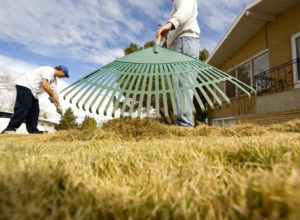
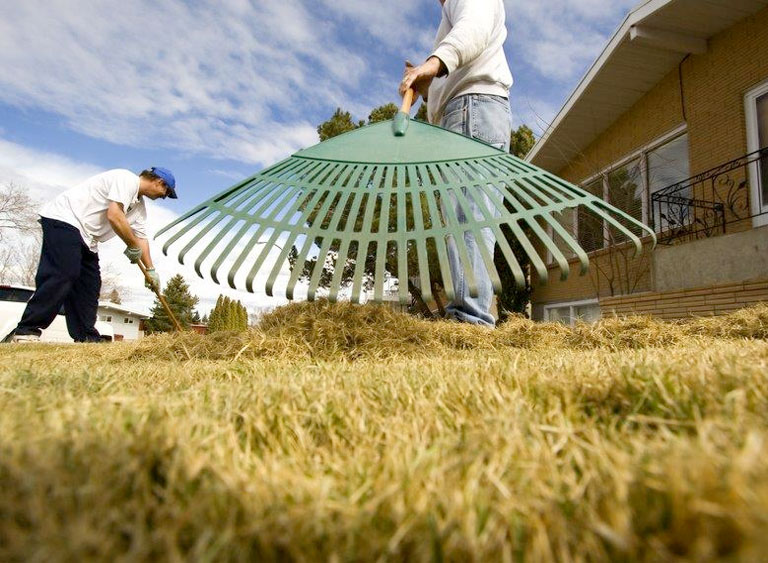
Raking is the first essential step in preparing your lawn for the growing season. While it’s tempting to think of raking as simply removing fallen leaves, its primary purpose in spring is to break up and remove thatch—a layer of dead grass, roots, and organic matter that accumulates between the green blades and the soil. If thatch becomes too thick (over 1/2 inch), it can block water, air, and nutrients from reaching the roots, ultimately harming your grass.
Rake deeply and thoroughly, but wait until the lawn begins to green up. This signals that the grass blades are firmly rooted and actively growing, reducing the risk of damaging young plants. Use a flexible leaf rake rather than a stiff metal garden rake, which can be too harsh on tender new growth.
Spotting and Solving Snow Mold
As you rake, keep an eye out for matted patches where grass blades are stuck together. This could be a sign of snow mold, a fungal disease that makes it difficult for new grass to break through. Raking these areas will help the grass recover by allowing air and sunlight to reach the soil.
The Truth About Thatch
It was once common practice to dethatch lawns deeply every year, but experts now advise against this unless the thatch layer is excessive. A thin layer of thatch (less than 1/2 inch) actually benefits your lawn by protecting the soil, preserving moisture, and gradually breaking down to supply nutrients. Over-fertilized lawns are most prone to problematic thatch buildup, so moderation is key.
Aeration: Breathing Life Into Your Lawn
Why Aerate?
Aeration is the process of perforating the soil with small holes to allow water, oxygen, and nutrients to penetrate deeper into the root zone. This is especially important for lawns that experience heavy foot traffic, as compacted soil restricts root growth and reduces the lawn’s ability to absorb water and nutrients.
When and How to Aerate
-
For cool-season grasses, aerate in the fall.
-
For warm-season grasses, aerate in the spring.
You can use a manual or mechanical aerator, but be sure to cover the entire lawn for best results. After aeration, top-dress with a thin layer of compost to further enrich the soil.
Soil Health: The Hidden Key to a Beautiful Lawn
Feed Your Soil, Not Just Your Grass
Healthy soil is teeming with microorganisms that break down organic matter and release nutrients essential for robust grass growth. In spring and fall, apply a thin layer of weed-free compost over your lawn and water gently to help nutrients migrate into the soil. This organic approach reduces the need for synthetic fertilizers and helps your lawn resist pests and disease.
Test and Amend Your Soil
Lawns thrive in soil with a pH between 6.5 and 7.0. Test your soil annually and adjust as needed:
-
Add lime if the soil is too acidic.
-
Add sulfur if the soil is too alkaline.
Fertilization: Feeding for Strength and Color
Choosing the Right Fertilizer
Different grass types have different fertilization needs. For warm-season grasses, apply a nitrogen-rich fertilizer in early spring and again in late summer. For cool-season grasses, fertilize in early spring and early fall, with a higher nitrogen concentration in the fall.
Timing and Application Tips
-
Fertilize when the soil is moist or just before rain is expected.
-
Apply fertilizer in the evening or on an overcast day to avoid scorching the grass.
-
Avoid fertilizing cool-season grasses in the heat of summer, as this can stress the lawn.
Organic Options
If you prefer a more natural approach, use compost or a slow-release organic fertilizer. Grass clippings left on the lawn after mowing also return valuable nutrients to the soil, reducing the need for additional fertilizer.
Watering: The Art of Deep, Infrequent Irrigation
How Much and How Often?
Most lawns need about 1 inch of water per week during the growing season. Water deeply and infrequently to encourage roots to grow deeper, making your lawn more drought-resistant. Shallow, frequent watering leads to weak, shallow roots.
Best Time to Water
-
Water early in the morning (before 10 a.m.) to minimize evaporation and fungal growth.
-
If you must water in the evening, do so early enough that the grass can dry before nightfall.
Signs of Under- or Over-Watering
-
Flattened or dull-colored grass indicates dehydration.
-
Yellowing, excessive thatch, or fungal growth may signal over-watering.
Water Conservation Tips
-
Use water-saving sprinklers and consider drought-resistant grass varieties.
-
Collect rainwater for irrigation to reduce your environmental footprint.
Mowing: Height, Frequency, and Technique
Set the Right Height
Mow your lawn at least once a week in summer, but never remove more than one-third of the grass blade in a single mowing. Taller grass shades the soil, retains moisture, and crowds out weeds. In general:
-
Sunny lawns: 4–5 cm (1.5–2 inches) high.
-
Shady lawns: at least 5 cm (2 inches) high.
-
Warm-season grasses: 2–3 inches.
-
Cool-season grasses: 3–4 inches.
Sharpen Your Blades
Dull mower blades tear grass, making it more susceptible to disease and moisture loss. Sharpen your blades at least once a season.
Change Mowing Patterns
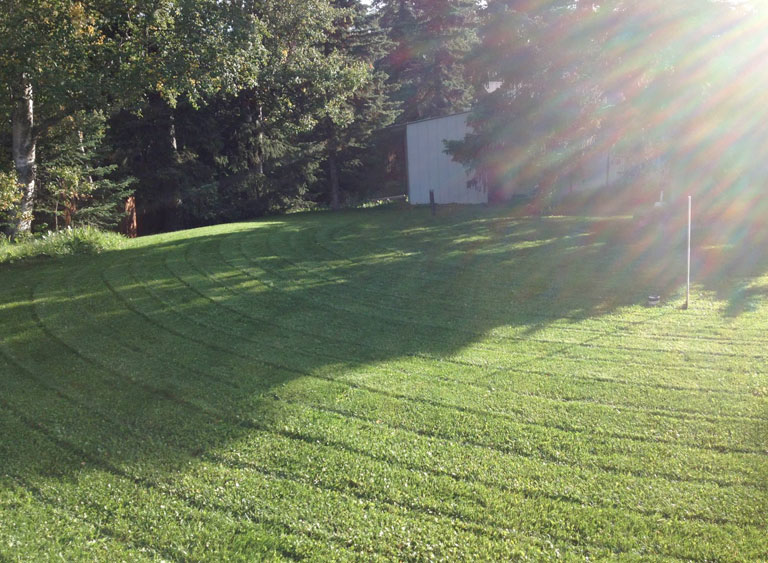
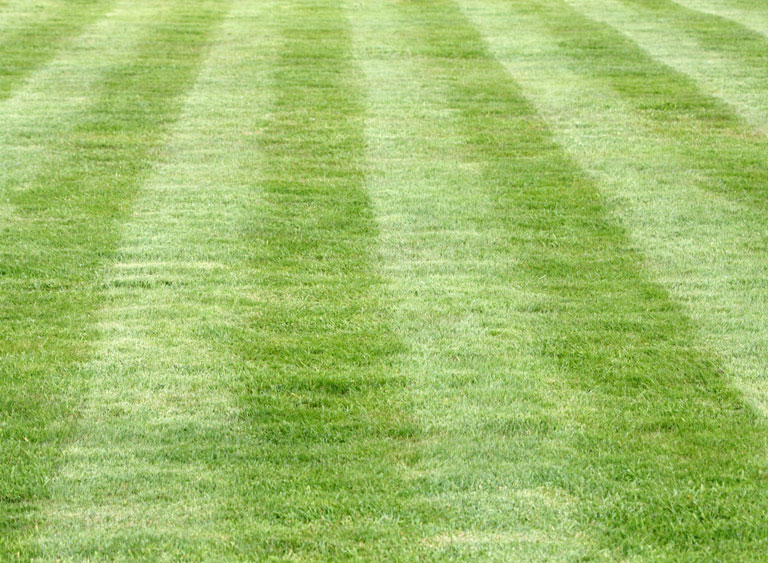
Alternate mowing directions each time to prevent soil compaction and encourage upright growth.
Grasscycling
Leave grass clippings on the lawn to decompose and return nutrients to the soil. Only remove clippings if they are clumping or smothering the grass.
Weed and Pest Management: Prevention and Control
Preventing Weeds
A thick, healthy lawn is the best defense against weeds. Mow high, fertilize appropriately, and water deeply to help your grass outcompete unwanted plants. For persistent weeds:
-
Spot-treat with a selective herbicide.
-
Use a pre-emergent weed control in early spring (but not if you’re seeding new grass).
Dealing with Pests and Diseases
Inspect your lawn regularly for signs of pests or disease, such as brown patches, irregular texture, or discoloration. Early intervention is key:
-
Remove affected grass and reseed bare patches.
-
Use natural pest control methods when possible to protect beneficial insects and the environment.
Repair and Reseeding: Filling in Bare Spots
How to Reseed
-
Till the soil in bare patches.
-
Spread seed evenly and cover lightly with soil or compost.
-
Water regularly until new grass is established.
When to Reseed
-
Cool-season grasses: early spring or early fall.
-
Warm-season grasses: late spring or early summer.
Summer Stress: Coping with Heat, Drought, and Heavy Use
Adjusting Care During Heat Waves
-
Raise your mowing height to help grass retain moisture.
-
Water more deeply if rainfall is scarce.
-
Avoid fertilizing or applying herbicides during extreme heat, as this can stress the lawn.
Managing Foot Traffic
-
Rotate play areas to prevent soil compaction.
-
Aerate high-traffic zones more frequently.
Dormancy Is Not Death
Healthy lawns can survive up to four weeks of drought by going dormant. The grass turns brown but will green up again with rain or irrigation. Avoid heavy use and fertilization during dormancy.
Eco-Friendly and Sustainable Lawn Care
-
Use organic fertilizers and compost.
-
Mow with a mulching mower.
-
Choose native or drought-resistant grass varieties.
-
Harvest rainwater for irrigation.
-
Pull weeds by hand when possible to reduce chemical use.
Professional Help: When to Call the Experts
While many lawn care tasks can be handled by homeowners, there are times when professional help is beneficial:
-
Persistent thatch or compaction problems.
-
Severe pest or disease outbreaks.
-
Large-scale reseeding or turf installation.
-
Customized fertilization and maintenance plans.
Be Happy Property Services offers dependable, licensed, insured, and bonded lawn care for residential and commercial properties in Anchorage and surrounding areas. Let us free up your summer so you can enjoy all the wonderful Alaskan days while we take care of your lawn needs.
One call, we do it all! 907-336-7434.
Frequently Asked Questions (FAQ)
How often should I mow my lawn during summer?
Mow your lawn at least once a week, but never remove more than one-third of the grass blade at a time. Adjust mowing frequency based on grass growth and weather conditions.
What is the best way to water my lawn in hot weather?
Water deeply and infrequently, aiming for about 1 inch per week. Water early in the morning to minimize evaporation and fungal growth.
Should I remove grass clippings after mowing?
Generally, no. Leaving clippings on the lawn (grasscycling) returns nutrients to the soil and helps maintain moisture. Remove only if clippings are clumping or smothering the grass.
How can I prevent weeds without chemicals?
Maintain a thick, healthy lawn by mowing high, fertilizing appropriately, and watering deeply. Pull weeds by hand and use organic pre-emergent controls like corn gluten in early spring.
When should I fertilize my lawn for best results?
For warm-season grasses, fertilize in early spring and again in late summer. For cool-season grasses, fertilize in early spring and early fall. Avoid fertilizing during extreme heat, and always follow product instructions.

Jacob Bishop is the founder and CEO of Be Happy Property Services. With a strong background in property management and customer service, Jacob has dedicated himself to creating a company that prioritizes client satisfaction and seamless property experiences. His extensive knowledge and hands-on approach have earned him a reputation for excellence in the industry. Jacob’s passion for real estate and commitment to happy living spaces make him a trusted leader in property services.