
Top Landscaping Challenges for Anchorage Homeowners: How to Adapt to Harsh Weather Conditions
Anchorage homeowners often ask, “what are the common landscaping challenges homeowners face in Anchorage’s climate?” Subarctic winters, permafrost, frost heave and heavy snow cycles combine to create unique obstacles for yard design and plant survival. In this guide, you’ll discover how permafrost and frost heave disrupt soil stability, why short growing seasons and extreme cold limit plant choices, and which drainage and wildlife considerations must be addressed. We’ll map out proven solutions—raised beds, foundation techniques, cold-hardy species, drainage systems and wildlife deterrents—while highlighting when professional support from Be Happy Property Services can secure long-term success. You’ll explore:
- Key climate challenges shaping Anchorage landscapes
- Targeted mitigation for permafrost, frost heave and drainage
- Cold-hardy plant selection and season-extension methods
- Erosion control, wildlife protection and expert service options
What Are the Key Climate Challenges Affecting Anchorage Landscaping?
Anchorage’s subarctic climate creates environmental factors—permafrost, frost heave, extreme cold, heavy snow and local wildlife—that directly impact soil health, structural integrity and plant survival. Understanding these elements is the first step toward resilient outdoor spaces.
How Does Permafrost Impact Anchorage Yards and Gardens?
Permafrost is permanently frozen ground that limits root penetration and nutrient exchange, causing compaction and waterlogging in thaw seasons.
Permafrost Impact on Landscaping
Permafrost, or permanently frozen ground, significantly affects landscaping in subarctic climates by restricting root growth and causing drainage issues. This can lead to soil instability and damage to structures.
This research provides essential background on the challenges of landscaping in areas with permafrost, which is a key topic in the article.
Below are the primary ways permafrost affects Anchorage landscapes.
- Root Restriction: Frozen subsoil prevents deep rooting, undermining tree stability.
- Drainage Impairment: Thaw cycles create perched water tables, flooding root zones.
- Surface Heave: Ice lenses expand soil upward, damaging hardscape and planting areas.
These issues demand raised structures and specialized soil mixes to maintain plant health and hardscape integrity, which we’ll explore next.
What Causes Frost Heave and How Does It Affect Landscaping Structures?
Frost heave occurs when moisture in soil freezes and expands, lifting walkways, decks and retaining walls. The freeze–thaw mechanism shifts soil laterally and vertically, jeopardizing foundations. For example, a fragmented patio slab often signals seasonal heave. This leads into solutions for frost heave mitigation.
How Do Extreme Cold and Short Growing Seasons Limit Plant Growth?
Anchorage’s average frost-free period spans just 100–120 days and winter lows reach –20°F, restricting species to USDA Zones 3–4. Rapid temperature drops impair bud development and flowering. These climate constraints drive the need for cold-hardy selections and season-extension techniques.
What Drainage Issues Arise from Anchorage’s Heavy Snowfall and Thaw Cycles?
Anchorage receives over 70 inches of snow annually, and uneven thawing often creates pooling, erosion and ice dams.
Before table: This table compares common drainage problems and their effects.
After table: Addressing these drainage challenges requires integrated solutions like French drains and permeable paving, which we’ll cover in a later section.
How Does Local Wildlife Influence Residential Landscaping in Anchorage?
Moose, bears and hares browse tender shoots, trample saplings and disrupt compost piles. Wildlife pressure alters plant selection, fencing needs and waste management—factors that guide resilient landscape design.
What Are Effective Landscaping Solutions for Permafrost and Frost Heave in Anchorage?
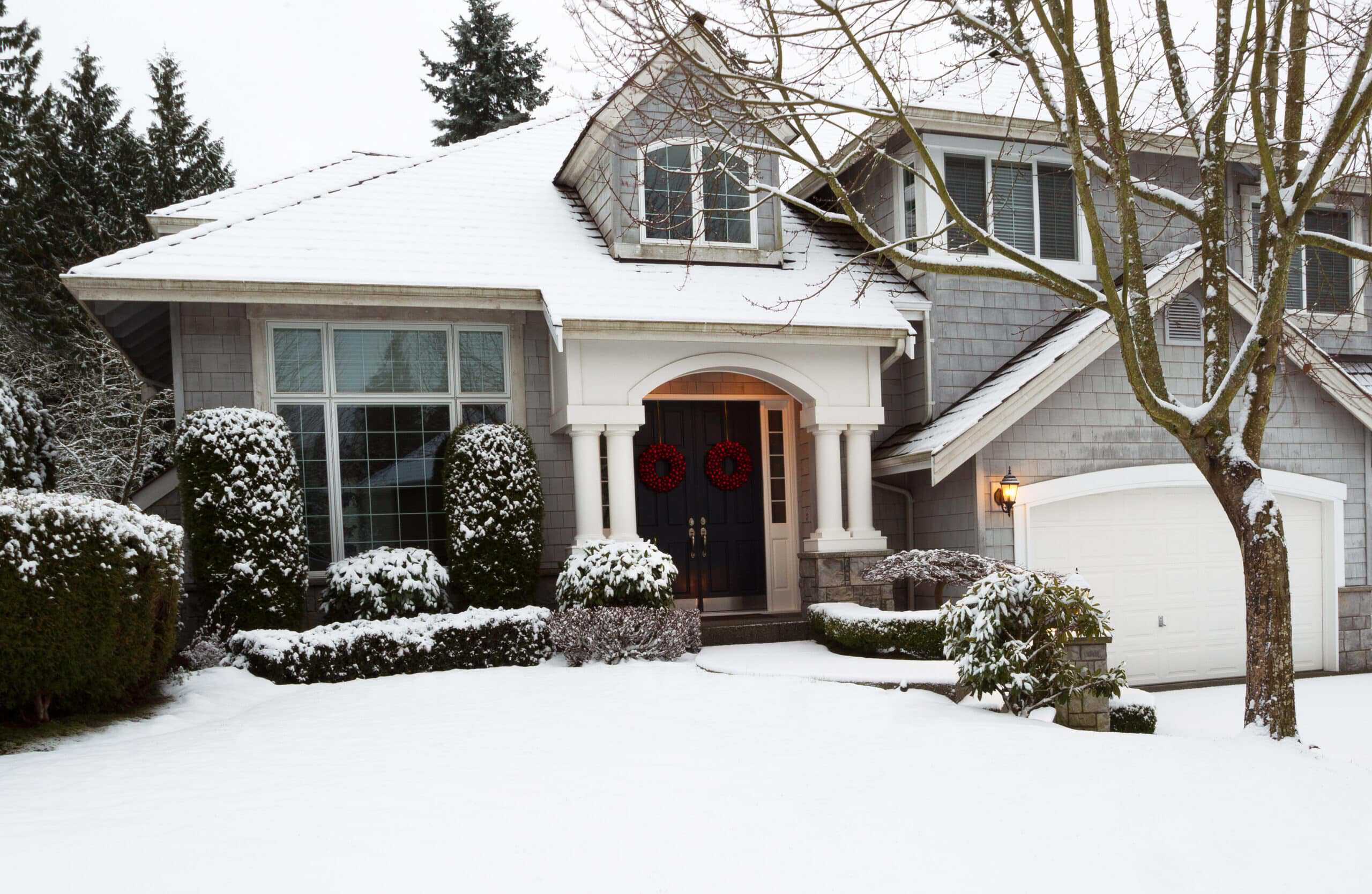
Anchorage-specific solutions—raised garden beds, engineered foundations, French drains and soil amendments—counteract permafrost damage and prevent frost heave, improving plant establishment and structural stability.
How Can Raised Garden Beds Protect Plants from Permafrost Damage?
Raised garden beds elevate root zones above frozen soil, enabling warmer soils and better drainage. Key benefits include improved aeration, controlled soil mix and frost-free soil depths. These advantages make raised beds a cornerstone in outdoor spaces landscaping services, ensuring healthy roots year-round.
What Foundation and Drainage Techniques Prevent Frost Heave?
Deep-footing foundations and insulated frost-protected shallow foundations (FPSF) inhibit soil uplift. Installing gravel-filled trenches and under-slab insulation disrupts ice lens formation. These measures maintain hardscape alignment and extend material lifespan.
When Should Homeowners Use French Drains and Retaining Walls?
French drains redirect sub-surface water away from vulnerable areas, while retaining walls stabilize slopes and prevent soil washout.
- Use French drains where pooling occurs along house perimeters.
- Install retaining walls on slopes exceeding 10° to limit erosion.
These integrated systems form the backbone of professional landscaping services that deliver durable solutions.
How Does Proper Soil Preparation Help Manage Permafrost Effects?
Amending topsoil with coarse sand and organic compost improves drainage and heat retention in planting zones. Incorporating perlite or expanded shale creates insulating voids that limit frost penetration, supporting root growth and plant resilience.
Which Cold-Hardy Plants Thrive in Anchorage’s Harsh Climate?
Selecting species adapted to Zone 3–4 conditions ensures survival despite short seasons and freezing temperatures. Integrating native and sustainable plants reduces maintenance and enhances ecological compatibility.
What Are the Best Trees, Shrubs, and Perennials for Anchorage Gardens?
Before introduction: This EAV table highlights top cold-hardy landscapes species.
Cold-Hardy Plant Selection
Choosing plants adapted to USDA Zones 3–4 is crucial for successful landscaping in Anchorage due to the short growing season and extreme cold. Native and sustainable plants are recommended for their low maintenance and ecological benefits.
This source supports the article's recommendations for plant selection in Anchorage's climate.
After table: These selections form a resilient planting palette that endures Anchorage’s conditions and supports seasonal interest.
How Can Homeowners Protect Plants from Winter Frost and Wind?
Windbreaks of sturdy evergreens reduce exposure; mulch layers of 4–6 inches insulate roots. Burlap wraps shield shrubs from desiccating winds. These measures preserve plant tissue and enable faster spring recovery.
What Are the Benefits of Using Native and Sustainable Plants in Anchorage?
Native species like fireweed and dwarf birch require less irrigation and fertilizer, fostering pollinator habitats while reducing maintenance. Sustainability reduces erosion and supports local biodiversity in residential and commercial landscaping solutions.
How Does Snow Load Management Protect Landscaping Elements?
Designing slopes and installing snow guards on structures direct snow away from plant beds and hardscapes. Roof overhang extensions prevent drifts from piling on garden walls, enhancing year-round landscape functionality.
How Can Anchorage Homeowners Manage Soil and Growing Season Limitations?
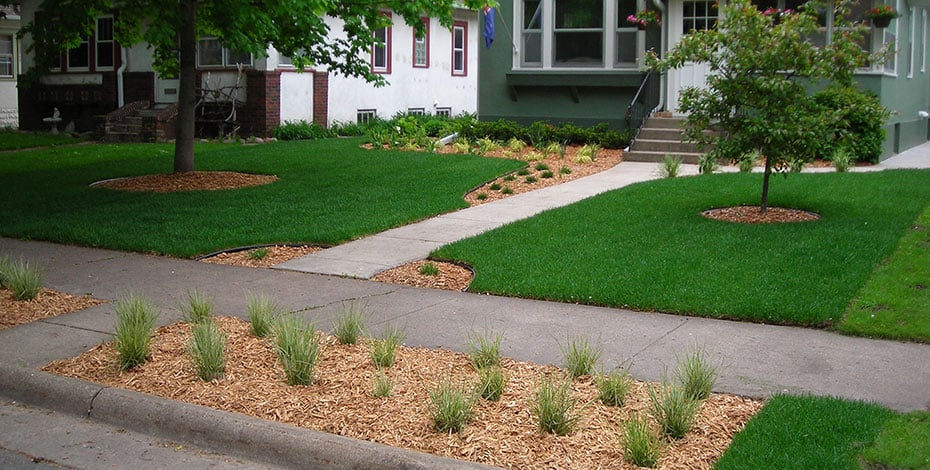
Anchorage’s acidic soils and brief growing season necessitate season-extension structures, soil amendments and nutrient-rich compost to optimize plant health and yield.
What Techniques Extend the Growing Season in Anchorage?
Greenhouses, cold frames and row covers capture solar heat, extending frost-free periods by 3–6 weeks. Automated venting systems prevent overheating and maintain optimal growing conditions.
How Should Anchorage Soil Be Amended for Optimal Plant Health?
Anchorage soils often have low organic matter and pH below 6.0. Adding lime corrects acidity, while compost and aged manure improve structure and nutrient content. Regular soil tests guide precise amendment strategies.
Why Is Composting Important for Alaskan Gardens?
Compost enriches soil with micronutrients, buffers pH swings and improves moisture retention. A well-managed compost pile can accelerate decomposition even in cooler Alaska temperatures, closing nutrient cycles.
What Are the Advantages of Raised Bed Gardening in Short Seasons?
Raised beds warm earlier in spring, allow intensive spacing and boost yields in limited timeframes. They simplify soil control and reduce weeding, making them ideal for quick-maturing crops and ornamentals.
What Are the Best Drainage and Erosion Control Practices for Anchorage Properties?
Anchorage yards face erosion from meltwater and rain-on-snow events. Effective practices like swales, permeable paving and stable retaining structures safeguard soil and landscapes.
What Common Drainage Problems Affect Anchorage Yards?
Poor slope grading, compacted soil and blocked gutters lead to water pooling, washed-out beds and basement seepage. Identifying these issues early prevents costly damage and plant loss.
How Do French Drains and Swales Improve Water Management?
French drains capture subsurface water and channel it to safe discharge points, while grassed swales slow flow on slopes, promoting infiltration and reducing erosion. These low-impact techniques complement hardscape features.
When Are Retaining Walls Necessary for Sloped Landscapes?
Retaining walls become essential when land angles exceed 10°, preventing soil creep and protecting plantings. Proper drainage behind walls extends their lifespan and maintains slope stability.
What Permeable Paving Options Help Anchorage Driveways and Patios?
Permeable pavers, gravel grids and open-jointed stone allow water infiltration, reducing runoff and ice formation. These materials limit surface erosion and support sustainable site drainage.
How Can Anchorage Homeowners Protect Their Landscapes from Wildlife Damage?
Wildlife browsing and trampling threaten young plantings and compost piles. Strategic plant selection, fencing and compost-proofing safeguard landscapes from moose, bears and small mammals.
Which Plants Are Resistant to Moose and Other Local Wildlife?
Before list: The following shrubs and perennials deterrent wildlife browsing.
- Highbush cranberry: thick berries and leathery leaves discourage moose.
- Lupine: toxic alkaloids repel deer and hare.
- Arctic willow: unpalatable twigs survive heavy snow pressure.
After list: Incorporating these species forms a protective matrix around sensitive beds and reduces browsing risk.
How Can Composting and Garden Areas Be Bear-Proofed?
Securing compost in heavy-gauge bins with tight lids and using electric fencing around piles prevents bear access. Locating compost at least 50 feet from home entrances minimizes attractants.
What Fencing Solutions Are Effective for Anchorage Properties?
Sturdy post-and-rail fences, welded wire mesh and wildlife-safe electric fencing create physical barriers that withstand snow loads while deterring large animals from sensitive areas.
Why Is Professional Landscaping Expertise Essential for Anchorage Homeowners?

Anchorage’s complex climate demands local knowledge, specialized techniques and regulatory compliance that only experienced professionals can provide reliably and cost-effectively.
How Do Local Regulations Affect Anchorage Landscaping Projects?
Anchorage building codes regulate drainage, slope stabilization and impervious surface coverage. Professional designers navigate permit requirements for walls, patios and stormwater systems to ensure compliance.
What Experience Is Needed to Navigate Anchorage’s Harsh Climate?
Expert landscapers understand frost-protected foundations, species hardiness and snow management. Decades of working in subarctic conditions enable them to anticipate seasonal cycles and prevent costly failures.
What Comprehensive Services Does Be Happy Property Services Offer?
Be Happy Property Services provides full-spectrum solutions—design, installation, drainage systems, hardscaping, irrigation, seasonal maintenance and winter snow management—to create resilient outdoor environments in Anchorage. Learn more about our expert landscaping services and transform outdoor spaces for lasting curb appeal.
How Can Professional Help Improve Long-Term Landscape Success?
Professional planning ensures correct grading, soil preparation, plant placement and structural installation from the start. Ongoing maintenance agreements preserve investment value and guarantee prompt response to climate-driven issues.
Anchorage landscapes face a unique blend of permafrost, frost heave, extreme cold, heavy snowfall and wildlife pressure. By understanding these factors and applying solutions—raised beds, drainage systems, cold-hardy plants and professional expertise—homeowners can achieve vibrant, durable outdoor spaces. Contact Be Happy Property Services for a free estimate and discover how expert design and maintenance protect your landscape against Anchorage’s harsh weather conditions.
 Anchorage, AK