
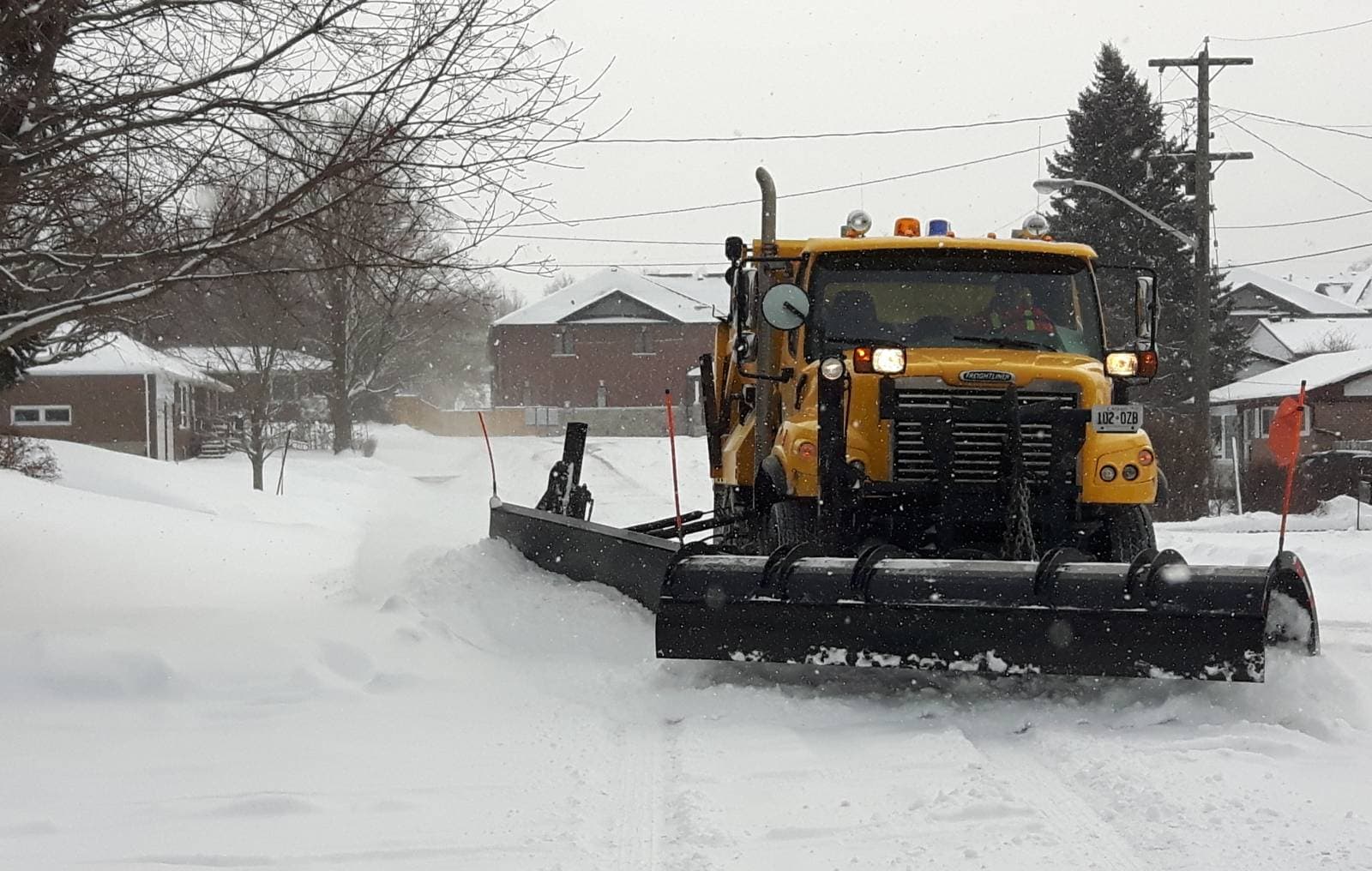
Winter transforms landscapes into picturesque scenes, but it also presents property owners with the ongoing challenge of snow and ice management. The timing of snow plowing is not just about convenience—it directly influences the safety, condition, and long-term value of your property. Whether you choose to clear snow immediately or wait until the storm ends, your decision can have lasting consequences for your driveway, walkways, landscaping, and budget. This guide breaks down the benefits of early snow plowing, the risks of waiting, and the overall impact on your property and finances.
The Advantages of Early Snow Plowing
Clearing snow as soon as it accumulates, commonly known as early snow plowing, offers several important advantages that go far beyond just keeping your property tidy.
Prevents Ice Formation and Hazards
When snow sits for extended periods, it melts and refreezes due to fluctuating temperatures, creating slippery ice layers. Early plowing prevents this cycle, minimizing the risk of dangerous ice patches and ensuring safer walking and driving conditions.
Protects Pavement and Surfaces
Snow left to compact can freeze and bond to asphalt and concrete, causing cracks and surface damage. Early removal reduces stress on driveways, sidewalks, and parking lots, helping to extend their lifespan and avoid costly repairs.
Maintains Access and Visibility
Accumulated snow can quickly block pathways, entrances, and parking spaces, making it difficult for residents, visitors, and employees to move around safely. Early snow removal keeps these areas clear, improving visibility and accessibility, and reducing the risk of accidents and liability.
The Risks of Delaying Snow Plowing
Choosing to wait until after a storm or until snow has piled up can lead to several significant issues.
Makes Snow Removal More Difficult
The longer snow remains, the more it compacts and hardens. Removing packed snow often requires more effort, specialized equipment, and increased labor, driving up both time and cost for snow removal services.
Increases Slip and Fall Risks
Snow and ice left on walkways and driveways increase the likelihood of slips and falls, particularly for vulnerable individuals like children, seniors, and those with mobility challenges. Property owners may face legal liability if someone is injured due to unsafe conditions.
Damages Landscaping
Delayed plowing can harm lawns, shrubs, and other plants beneath the snow. Compacted snow can damage grassroots and cause unsightly, patchy areas in the spring. Early plowing helps preserve the health and appearance of your yard.
Early vs. Late Snow Plowing: A Cost Comparison
Property owners often debate whether early snow plowing is more cost-effective than waiting until snow accumulation is significant.
Early Plowing: Upfront Cost, Long-Term Savings
Early snow plowing may mean more frequent service visits, but each visit is typically quicker and less labor-intensive. This approach can prevent expensive repairs to pavement and landscaping, reduce the risk of accidents, and lower potential liability expenses.
Delayed Plowing: Short-Term Savings, Hidden Costs
Waiting to plow snow may reduce the number of service visits, but each session becomes more challenging and time-consuming. Late plowing often requires heavy-duty equipment and more de-icing chemicals, increasing overall costs. Hidden expenses from property damage and liability can quickly outweigh the savings from fewer plowing sessions.
Environmental Considerations in Snow Plowing Timing
The timing of snow plowing also has important environmental implications.
Minimizes Chemical Usage
Early snow removal reduces the need for salt and chemical de-icers, which can harm soil and groundwater when used excessively. By clearing snow promptly, you help minimize chemical runoff and protect local ecosystems.
Preserves Soil and Plant Health
Late plowing often involves heavy machinery and aggressive techniques, which can disrupt soil and damage plant roots. Early, gentle plowing preserves landscaping and keeps nearby vegetation healthier throughout the winter.
Practical Tips for Optimal Snow Plowing Timing
-
Stay Informed About Weather Forecasts: Monitor snow predictions and schedule plowing as soon as significant snowfall is expected.
-
Work with a Trusted Snow Removal Service: A professional snow plowing service in Anchorage can offer automatic visits after each snowfall, ensuring your property is cleared efficiently and on time.
-
Pre-Treat Surfaces When Possible: Applying de-icers before a storm can make snow removal easier and prevent snow from bonding to pavement.
-
Choose Eco-Friendly De-icing Solutions: Opt for environmentally friendly products to minimize harm to plants, pets, and the local environment.
Frequently Asked Questions
1. How does early snow plowing protect my property compared to waiting until after a storm?
Early snow plowing prevents snow from compacting and turning into ice, which can make removal much more difficult and increase the risk of slips, falls, and property damage. When snow is left to accumulate, it can also lead to more severe damage to driveways, walkways, and landscaping as the weight and moisture build up over time. Prompt removal keeps surfaces accessible and reduces hazards before they escalate.
2. What are the financial benefits of scheduling snow plowing services early rather than waiting until the last minute?
Booking snow plowing services early often secures better pricing and may qualify you for early-bird discounts. As demand spikes during major storms, prices typically increase and service availability becomes limited. Early scheduling also allows for customized service plans and priority treatment during peak times, saving you both money and stress in the long run.
3. Can late or delayed snow plowing increase the risk of property damage or legal issues?
Yes. Delayed snow plowing can lead to compacted snow and ice, which are harder to remove and more likely to cause damage to paved surfaces and landscaping. Additionally, if snow removal is neglected and public spaces become hazardous, property owners may face legal liabilities or fines, especially in areas with strict snow removal ordinances.
4. How does the timing of snow plowing affect safety for residents, customers, or visitors?
Timely snow plowing is essential for maintaining safe, accessible pathways. Early removal reduces the risk of slips and falls, especially on walkways and driveways. In commercial settings, plowing before business hours or during heavy snowfall ensures that employees and customers can safely access the property, minimizing disruptions and potential injuries.
5. Are there environmental or practical considerations when deciding when to plow snow?
Yes. Plowing too early or too often can lead to unnecessary use of deicing chemicals, which may impact the local ecosystem. However, waiting too long increases the need for aggressive removal methods and more chemicals to break up ice. Strategic timing—such as plowing after 1-2 inches of accumulation for residential properties or before major storms—balances efficiency, cost, and environmental impact.

Jacob Bishop is the founder and CEO of Be Happy Property Services. With a strong background in property management and customer service, Jacob has dedicated himself to creating a company that prioritizes client satisfaction and seamless property experiences. His extensive knowledge and hands-on approach have earned him a reputation for excellence in the industry. Jacob’s passion for real estate and commitment to happy living spaces make him a trusted leader in property services.