
Anchorage’s harsh subarctic winters, with their bone-chilling subzero temperatures, relentless snowfall, and brutal freeze-thaw cycles, can wreak havoc on your plants, soil, and outdoor structures. Wondering how to shield your landscape from these formidable winter challenges? We’ve got you covered with proven strategies, from the moment you start prepping in the fall all the way through to spring’s welcome thaw. This guide will walk you through everything you need to know to keep your landscape robust and your curb appeal shining, even when the mercury plummets. Inside, you’ll discover:
- The primary winter weather threats that target your plants, soil, and hardscapes.
- Essential fall preparation steps: watering, pruning, feeding, and mulching.
- Specific protection tactics for your trees, garden beds, irrigation, and drainage systems.
- Smart ways to handle snow and ice throughout the winter months.
- Effective techniques for assessing and repairing damage come early spring.
- How Be Happy’s professional services can bolster your landscape’s defenses.
Each section is packed with clear explanations, insights into how things work, and the benefits of each protective measure, all designed to help your landscape conquer Anchorage’s toughest season.
What Are the Main Winter Weather Threats to Landscaping in Anchorage?
Anchorage’s severe winter weather brings a trifecta of challenges: extreme cold, heavy snow, relentless freeze-thaw cycles, biting winds, and the sneaky damage from rodents. Each of these poses unique stresses to your plants and soil. Understanding these threats is your first line of defense, allowing you to winterize strategically, protect those vital root systems, prevent structural damage, and maintain healthy soil.
- Extreme Cold & Frost: These conditions damage plant cells by forming ice crystals within tissues, leading to ruptures and a loss of hardiness.
- Heavy Snowfall & Ice: The sheer weight of snow and ice can bend and break branches and shrubs, distorting their natural shape.
- Freeze-Thaw Cycles: These cycles cause the soil to expand and contract, lifting and heaving roots out of the ground and destabilizing new plantings.
- Winter Winds & Rodents: Wind can strip bark and desiccate foliage, while rodents gnaw at the cambium layer beneath the bark, compromising the plant’s health.
When you consider these combined forces, it’s clear why proactive protection, tailored specifically for Anchorage’s climate, is so crucial.
How Does Extreme Cold and Frost Affect Anchorage Plants?
When extreme cold and frost hit, they damage plant cells by freezing the moisture inside. This creates ice crystals that rupture cell walls, compromising the plant’s tissues and overall health.
- When ice forms outside the cells, it draws water out, increasing osmotic stress.
- Uneven contraction of bark during freezing temperatures can lead to deep fissures known as frost cracks.
- Younger plants or those with thin bark are particularly vulnerable, often suffering dieback at the crown and losing their buds.
Taking early steps to protect more sensitive plants can significantly reduce the risk of winterkill and ensure they have the best chance to thrive come spring.
What Damage Does Heavy Snowfall and Ice Cause to Trees and Shrubs?
Heavy snow and ice accumulation can put immense pressure on branches, causing them to bend severely or even snap. This not only damages the plant’s structure but also reduces its ability to photosynthesize effectively.
- The cumulative weight of snow can stress the points where branches join the trunk, leading to splitting or outright breakage.
- Ice coating makes branches brittle, increasing the likelihood they’ll shatter under their own weight.
- When trunks become deformed, they can become more susceptible to diseases and pest infestations in the following growing season.
Gentle snow removal and strategic pruning before winter sets in can help keep limbs flexible and better equipped to handle heavy loads.
How Do Freeze-Thaw Cycles Impact Soil and Plant Stability?
Freeze-thaw cycles wreak havoc on root systems. As the soil freezes, it expands, pushing plant roots upward. When it thaws, the soil settles back down, leaving gaps around the roots.
- When soil moisture freezes, it expands, forcing roots upward and out of their stable position.
- As the soil thaws and settles, these gaps can disrupt the roots’ ability to absorb nutrients and water.
- Roots that are left exposed to the air are prone to drying out and suffering winter injury.
Consistent mulching and covering the soil can help minimize temperature swings and keep the root zones stable throughout the winter.
What Role Do Winter Winds and Rodents Play in Landscaping Damage?
Harsh winter winds can strip the moisture from exposed foliage, a condition often referred to as “windburn.” Meanwhile, rodents like mice, voles, and hares seek refuge under the snowpack, where they can gnaw on the protective bark of trees and shrubs.
- Windburn causes needles and leaves to lose moisture, resulting in browning and dieback.
- Rodents chew away at the bark, disrupting the flow of sap and nutrients.
- These damaged areas on the bark can become entry points for harmful fungal pathogens.
Installing windbreaks and physical guards around vulnerable plants can deter pests and significantly reduce moisture loss.
How Can You Prepare Your Anchorage Landscape in Fall for Winter Survival?
Getting your landscape ready in the fall is key to helping it survive the upcoming freezes. This involves ensuring your plants are well-hydrated, pruning strategically, providing balanced nutrition, and insulating the soil. Taking these steps in autumn sets the stage for maximum winter hardiness and minimizes the damage you’ll need to address in the spring.
- Hydration Before Freeze-Up: Make sure your plants’ roots are thoroughly saturated with moisture before the ground freezes solid.
- Strategic Pruning: Remove weak or damaged branches and shape the canopy to help it shed snow more effectively.
- Optimized Fertilization: Apply nutrients that strengthen plant cells and prepare them for the cold.
- Mulching: Create an insulating layer over the soil to help moderate its temperature.
Implementing these four crucial steps in sequence will build a strong foundation for your landscape’s winter protection.
When and How Should You Water Plants Before the Freeze?
It’s essential to water your plants deeply about a week before the first hard frost is expected. This ensures the root zones are thoroughly saturated while the soil is still workable.
- Give mature trees and shrubs a good, deep soak, paying special attention to the area around the drip line.
- Use slow-release irrigation methods, like soaker hoses, to ensure the water penetrates at least 8 inches deep.
- Avoid watering late in the day, especially from above, as this can lead to surface ice forming overnight.
Proper hydration is vital for minimizing cellular dehydration and preventing frost damage during prolonged cold spells.
What Are the Best Pruning Practices to Promote Winter Plant Health?
Late fall pruning should focus on removing dead or diseased wood and shaping branches to prevent excessive snow accumulation.
| Type of Cut | When to Prune | Why It Helps |
|---|---|---|
| Dead or Diseased Branches | Late October | Stops the spread of potential pathogens |
| Crossing Branches | Early November | Prevents rubbing, which can cause wounds and breakage |
| Overhanging Branches | Just before the freeze | Helps branches shed snow more easily |
| Water Sprouts | Mid-October | Improves air circulation and reduces ice buildup |
Be sure not to remove more than 25% of the live canopy. This ensures the plant retains enough energy reserves for dormancy and cold acclimation.
How Does Fertilization Timing Affect Winter Plant Survival?
Applying a fertilizer that’s low in nitrogen and high in potassium about six to eight weeks before the ground freezes can significantly boost cellular hardiness. This approach strengthens the plant without encouraging tender new growth that’s susceptible to frost damage.
- Potassium plays a key role in strengthening cell walls, making plants more resistant to freezing.
- Phosphorus supports healthy root development and helps the plant store energy.
- Avoid fertilizers high in nitrogen, as they can stimulate late-season growth that’s easily damaged by cold.
Providing the right nutrients helps your plants withstand freezing temperatures and come back strong in the spring.
Research from the University of Florida’s Institute of Food and Agricultural Sciences (UF/IFAS) highlights that potassium (K+) can significantly improve a plant’s ability to withstand cold stress. High concentrations of K+ help lower the freezing point of plant cell solutions and are crucial for enzyme activities that contribute to frost resistance. Additionally, studies indicate that increased potassium tissue concentrations reduce chilling damage and enhance cold resistance, with frost damage being inversely related to potassium fertilization.
Why Is Mulching Important for Soil Health and Insulation?
Applying a layer of organic mulch is like giving your soil a cozy blanket. It insulates the root zones, keeps weeds in check, and conserves moisture, all of which help reduce soil heaving and the damaging effects of freeze-thaw cycles.
| Type of Mulch | Insulation Level (R-Value) | Application Tips |
|---|---|---|
| Shredded Bark | Medium | Lasts a long time; reapply every couple of years |
| Straw or Hay | High | Be careful to avoid weed seeds; clear it away in the spring |
| Leaf Compost | Low | Works best when mixed with wood chips for added depth |
| Wood Chips | Medium-High | Slowly releases nutrients back into the soil |
Apply a 3–4 inch layer after the soil temperature drops below 40°F. Make sure to keep the mulch a couple of inches away from the base of stems to prevent rot.
Mulching during winter acts as an insulating layer, effectively regulating soil temperature and preventing extreme fluctuations that can harm plant roots. This protective blanket also helps to prevent frost heaving, a process where soil expansion and contraction push plants out of the ground, and aids in retaining essential moisture in the soil during drier winter conditions.
How Do You Protect Specific Landscape Elements From Anchorage’s Winter?
Using tailored winterization methods for your trees, perennials, irrigation, and drainage systems is crucial for maintaining their functionality and appearance. By focusing on these unique protective measures, you ensure every part of your landscape can withstand Anchorage’s harsh winter conditions.
- Tree & Shrub Guards: These protect bark and foliage from windburn and the weight of snow.
- Garden Bed Insulation: Keep soil structure intact and protect plants with frost cloths.
- Irrigation Winterization: Prevent pipes from bursting and valves from getting damaged.
- Drainage Solutions: Manage melting snow and prevent erosion effectively.
Integrating these four categories of protection will safeguard your entire property.
What Are Effective Ways to Protect Trees and Shrubs From Winter Damage?
Carefully wrapping your trees and shrubs and providing structural support can prevent bark injuries and minimize limb breakage from snow and ice.
- Wrap tree trunks with breathable burlap to shield them from sunscald and windburn.
- Set up temporary windbreak fences on the north and west sides of young plantings for added protection.
- Install sturdy tree guards around the base of trees to deter rodents.
- Stake newly planted trees to keep them upright and prevent leaning caused by frost heave.
Combining wraps, wind barriers, and guards is a comprehensive approach to maintaining trunk integrity and preventing winter desiccation.
How Should You Winterize Garden Beds and Perennials in Anchorage?
Insulating your garden beds with the right cover materials is essential for preventing soil heave and protecting plant crowns from winter damage.
- Once the ground temperature has stabilized, spread a uniform layer of organic mulch, about 4-6 inches deep.
- Cover perennials with frost cloth or row covers, securing the edges to trap insulating air pockets.
- For particularly sensitive varieties, consider building raised bed walls with insulated frames.
- Cut back dead foliage down to the mulch line to reduce hiding places for pests.
These steps help stabilize the soil and protect the plant crowns until they can resume growth in the spring.
How Do You Winterize Irrigation Systems to Prevent Damage?
Properly winterizing your irrigation lines is critical to prevent freeze-induced cracks and costly leaks when spring arrives.
- Turn off the main water supply and open all valves to allow any residual water to drain out.
- Use an air compressor to “blow out” the lines, ensuring they are completely dry.
- Insulate any above-ground pipes and backflow preventers using foam covers or heat tape.
- Make sure your automatic controllers are turned off or set to “rain sensor” mode.
Keeping your lines dry and insulated is the best way to safeguard your plumbing and avoid water damage emergencies in the spring.
What Drainage Solutions Help Manage Snowmelt and Prevent Erosion?
Effective drainage systems are designed to redirect melting snow and runoff away from your home’s foundation and vulnerable garden slopes, thereby preserving both your structures and your beds.
| Drainage Solution | Key Feature | Best For |
|---|---|---|
| French Drain | Perforated pipe buried in a trench filled with gravel | Managing water that saturates the soil underground |
| Grading & Swales | Creating gentle slopes and channels in the landscape | Guiding surface water runoff away from structures |
| Rock-lined Channels | Channels filled with rocks designed for high water flow | Areas like driveways and along asphalt edges |
| Catch Basins | Inlets that filter out debris before water enters the drainage system | Key drainage points on hard surfaces like patios and walkways |
Strategically placing subsurface drains and surface channels is key to preventing ice dams from forming and stopping soil from washing away.
What Are Safe and Effective Snow and Ice Management Techniques for Landscaping?
When it comes to managing snow and ice around your plants and hardscapes, it’s all about using gentle removal methods and protective strategies. This minimizes physical stress and prevents damage from de-icing chemicals. Employing the right tools and timing is essential for preventing breakage and maintaining your landscape’s winter beauty.
- Snow Removal: Techniques that avoid snapping delicate branches.
- Ice Management: Practices to reduce chemical harm to plants.
- Load Prevention: Measures to protect trees and structures from excessive weight.
Sticking to these safe protocols will help preserve your plants’ structure and the integrity of your hardscapes.
How Can You Safely Remove Snow From Plants and Structures?
Gently brushing or shaking snow off branches is the best way to prevent excessive load buildup without harming the bark or buds.
- Use a soft-bristle broom, starting at the trunk and working your way outward along the branches.
- Avoid any forceful twisting or knocking motions.
- Clear snow from garden sculptures and arbors to protect their finishes.
- If possible, schedule snow removal on calm days to minimize exposure to wind chill.
Regular, light clearing keeps snow loads manageable and significantly reduces the risk of breakage.
What Are Best Practices for Dealing With Ice Accumulation on Landscaping?
Preventing and managing ice buildup is crucial for reducing brittleness in wood and limiting salt damage to plant roots.
- Never try to chip ice off branches; let it melt naturally or use gentle sprays of lukewarm water.
- If you must use de-icers, opt for plant-safe options like those containing magnesium chloride and use them sparingly.
- Regularly sweep entryways and walkways to minimize ice hazards near foundation plantings.
- Keep an eye on early thaw cycles and be ready to move sensitive potted plants indoors.
A combination of careful thawing techniques and minimal chemical use will help preserve plant tissues and maintain soil health.
A study evaluating various de-icing salts found that magnesium chloride had one of the least detrimental impacts on plant growth among the tested options. However, it is important to note that while magnesium chloride is often considered more environmentally friendly, overuse can still lead to chloride toxicity in plants and trees through root absorption, particularly in areas adjacent to roadways.
How Do You Prevent Snow Load Damage to Trees and Hardscapes?
Performing structural pruning before winter and installing supports can significantly reduce the risk of collapse under heavy snow loads.
- Remove weak or crossing limbs in the fall to improve how weight is distributed across the branches.
- For multi-stem shrubs, consider using rope-tie systems to keep their canopies upright and prevent splitting.
- Erect temporary frames or netting over delicate decorative elements in your garden.
- Schedule professional trimming for large, mature trees before the heavy snowfall begins.
Proper shaping and bracing are your best defenses against costly storm damage.
How Should You Assess and Recover Your Anchorage Landscape After Winter?
As soon as the snow melts, it’s time for a thorough inspection. Identifying winter injuries, soil problems, and any plant losses early on allows you to make timely repairs and restore your garden’s vitality. A systematic approach to assessment and targeted interventions will help your landscape bounce back beautifully.
- Inspection Checklist: A guide to spotting structural and plant damage.
- Soil Compaction Relief: Techniques like aeration and regrading to fix compacted soil.
- Repair Techniques: Methods for fixing lawns, garden beds, and woody plants.
Following this three-phase recovery plan will encourage healthy spring growth and a vibrant landscape.
When and How Do You Conduct Early Spring Inspections for Damage?
As soon as the snow recedes, walk your property to identify any broken branches, girdled bark, or areas that remained waterlogged.
- Examine the perimeter of your tree lines and shrub beds, noting any leaning or damage around the base.
- Check foundation plantings for signs of soil heaving or persistently waterlogged spots.
- Inspect your lawn for thinning or bare patches, especially in areas that were saturated.
- Document any localized erosion or new channels formed by runoff.
A detailed early inspection will help you prioritize repairs and make informed decisions about spring planting.
How Can You Address Soil Compaction and Drainage Issues Post-Winter?
Aerating compacted turf and regrading areas affected by erosion are key steps to restoring proper water infiltration and allowing roots to access air and nutrients.
- Use a core aerator on your lawn to relieve compaction and improve oxygen flow to the roots.
- Top-dress any bare spots with a balanced mix of loam and sand.
- Re-establish swales or French drains in areas where runoff has caused soil erosion.
- Incorporate organic compost to help replenish beneficial microbial activity in the soil.
Correcting compaction and poor drainage is fundamental for encouraging vigorous root development and ensuring uniform plant growth.
What Are Effective Lawn and Plant Repair Techniques After Winter Damage?
Reseeding, fertilizing, and targeted pruning are essential steps to revive stressed lawns and woody plants, setting them up for strong performance throughout the growing season.
- Spread cool-season grass seed over any bare patches, keeping the soil consistently moist until germination occurs.
- Apply a slow-release starter fertilizer to give new shoots the nutrients they need to thrive.
- Prune any broken branches back to healthy wood and consider sealing larger wounds.
- Apply mulch around young trees to help conserve moisture during their critical early growth period.
Coordinated repairs for both your lawn and plants will transform a landscape that’s showing signs of winter wear into a healthy, vibrant display for spring.
What Professional Winter Landscaping Services Does Be Happy Offer in Anchorage?
For complete winter protection and ongoing maintenance, Be Happy brings together local knowledge, specialized techniques, and fully insured professionals to keep your property safe and sound through Anchorage’s most challenging months.
- Custom drainage systems designed to manage snowmelt effectively.
- Reliable snow removal and ice management services on contract.
- Foundation repair and waterproofing to prevent water damage during winter.
How Can Expert Drainage Solutions Prevent Winter Water Damage?
Be Happy Property specializes in designing and installing French drains, catch basins, and grading plans that expertly redirect meltwater away from foundations and garden beds. By optimizing both subsurface and surface water flow, our systems prevent damaging ice buildup and protect the structural integrity of your property.
What Snow Removal and Ice Management Services Protect Your Property?
We offer comprehensive snow-plowing, shoveling, and de-icing services for both commercial and residential clients, ensuring clear access and safe, slip-free surfaces. Our use of plant-safe de-icers and strategic snow pile placement minimizes stress on your landscaping while maintaining its aesthetic appeal all winter long.
How Does Foundation Repair Help Mitigate Winter-Related Damage?
Through the application of waterproofing membranes, precise crack injections, and robust footing repairs designed to withstand freezing temperatures, Be Happy Property effectively prevents soil expansion and water infiltration that can compromise your foundation. Our timely interventions fortify your structure against the pressures of freeze-thaw cycles and melting snow.
What Are Common Questions About Protecting Anchorage Landscaping in Winter?
Anchorage’s winter weather demands a comprehensive strategy for landscape protection, covering everything from fall preparation to spring recovery. By understanding and actively mitigating the risks posed by cold, snow, freeze-thaw cycles, wind, and pests, you can ensure the health of your plants, the stability of your structures, and the integrity of your soil. Be Happy’s deep understanding of local conditions and our full range of services are here to strengthen your defenses and simplify your maintenance routine. Get in touch today to schedule a consultation and make sure your Anchorage landscape is resilient, beautiful, and ready for whatever the seasons bring.
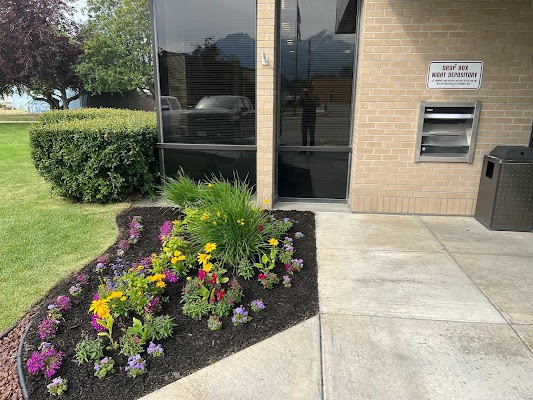 Anchorage, AK