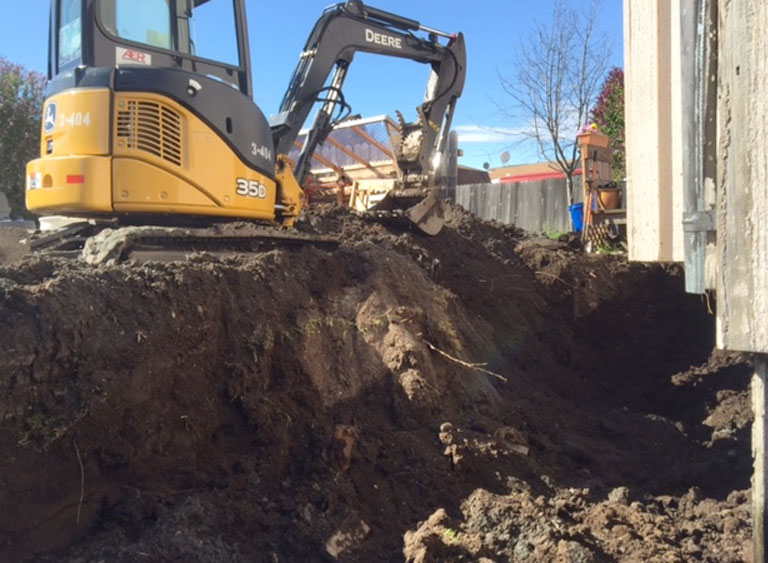
Most construction projects begin with excavation, a phase that can significantly influence your project’s outcome. You must follow a structured approach to ensure your excavation runs smoothly and safely. By carefully managing site assessment, equipment selection, safety protocols, and foundation support, you can prevent costly delays and protect workers from potential hazards. This guide outlines the steps to keep your excavation on schedule and set the stage for a durable, stable structure.
Key Takeaways:
- To establish a clear project foundation, begin with detailed pre-excavation planning, including site assessment, permits, and accurate surveying.
- Prepare the site thoroughly by clearing obstacles, locating utilities, and implementing erosion control to create a safe, compliant work environment.
- Follow through excavation with proper equipment, safety monitoring, foundation installation, support systems, and thorough post-excavation review and documentation.
Understanding Excavation Projects
Before you start digging, you must grasp what an excavation project entails. Excavation is foundational to construction, providing the necessary groundwork for everything from residential to commercial buildings. Your success in this phase impacts the entire project timeline and budget. To keep your project on track, you’ll need to consider soil conditions, equipment, safety measures, and compliance with regulations. Careful attention here helps avoid costly rework or delays.
Importance of Excavation in Construction
Excavation is imperative in construction as it prepares the site for foundations, utilities, and infrastructure. It shapes the landscape to support the load of the building and manages environmental factors like drainage. Poor excavation can lead to structural instability or safety hazards. By understanding its function deeply, you can ensure your project is safe, reliable, and ready for the next stage of construction.
Types of Excavation Techniques
Projects vary widely, and so do excavation methods. Standard excavation techniques include trenching, basement excavation, and dredging, each serving specific purposes depending on project needs and site conditions. These techniques influence efficiency, safety, and cost. Choosing the correct technique aligns with soil type, depth requirements, and environmental considerations, supporting smooth progress and compliance.
| Excavation Technique | Typical Use |
|---|---|
| Trenching | Installing utilities and pipelines |
| Basement Excavation | Creating subterranean building spaces |
| Dredging | Removing underwater sediments |
| Topsoil Excavation | Clearing and leveling surface soil |
| Rock Excavation | Removing hard rock or boulders |
Understanding and employing the proper excavation technique is vital for your project’s efficiency and safety. For example, rock excavation often requires specialized equipment and more time, particularly in challenging soil conditions like heavy clay or areas with large boulders, which can prolong timelines. You should also be aware of the high risks involved, such as trench cave-ins, which, according to the Bureau of Labor Statistics, led to an average of 21 worker fatalities annually between 2011 and 2018. Implementing effective safety protocols and choosing appropriate methods mitigates these risks. Recognizing these aspects will support your ability to plan realistically and maintain safety standards.
- Excavation techniques must align with project design.
- Soil and site conditions influence method selection.
- Safety protocols are imperative to prevent accidents.
- Equipment choice directly impacts efficiency.
- Recognizing the complexity of each technique helps avoid delays and hazards.
Step 1: Pre-Excavation Planning
Site Assessment and Soil Analysis
Planning starts with a detailed site assessment if you want your excavation project to succeed. This means evaluating the soil type, groundwater conditions, and potential environmental risks. Understanding these factors helps you choose the best excavation techniques and equipment, avoid unexpected delays, and minimize risks during digging.
Obtaining Necessary Permits
Before breaking ground, it is imperative to assess the permits required by local, state, and federal authorities. You need the proper approvals to avoid legal complications and costly project shutdowns. This process can take time, so incorporating permit acquisition into your schedule helps maintain momentum.
A thorough approach to permits includes identifying specific regulations that apply to your site, filling out applications accurately, and communicating with regulatory agencies. Additionally, some permits might involve environmental impact studies, so coordinating these steps early safeguards your timeline and budget.
Environmental Considerations
Across your excavation site, managing soil erosion, controlling dust, and protecting nearby water sources should be top priorities. Implementing erosion control measures and planning for sediment runoff ensures your project stays compliant with environmental standards while reducing the impact on surrounding areas.
In addition, recycling excavated materials when possible and minimizing the disturbance area can reduce your project’s environmental footprint. Paying attention to these details helps you avoid fines and supports sustainable construction practices that positively affect your professional reputation.
Step 2: Site Preparation
After completing your planning and obtaining the necessary permits, the next phase is site preparation. This stage sets the groundwork for safe and efficient excavation by clearing the site, marking utilities, and controlling erosion. Proper site preparation helps avoid unexpected obstacles and ensures your excavation process progresses smoothly.
Clearing and Grading the Site
Step one in site preparation involves clearing and grading the area to remove any vegetation, debris, or unwanted structures that could obstruct your excavation work. Grading the site helps create a level surface, reducing risks during excavation and making it easier to operate heavy machinery safely and efficiently.
Identifying and Marking Utilities
In addition to clearing, identifying, and marking underground utilities like gas lines, water pipes, and electrical cables, it is necessary to prevent dangerous and costly damage. This step requires coordination with utility companies and the use of tools such as ground-penetrating radar (GPR) to locate these hidden services accurately.
Another vital aspect is proceeding cautiously during excavation near marked utilities, often using hand tools to avoid accidents. Since damaging utilities can cause severe safety hazards and project delays, clear and precise utility marking protects your team and budget.
Implementing Erosion Control Measures
Step three is implementing erosion control measures to manage soil displacement and water runoff and protect the surrounding environment from sediment pollution. Implementing barriers, sediment traps, or silt fences helps maintain site stability and keeps your project compliant with environmental guidelines.
Consequently, controlling erosion minimizes environmental impact and prevents costly rework due to soil loss or regulatory fines. Establishing these measures early supports a safer worksite and helps you maintain steady progress throughout excavation.
Step 3: Choosing Excavation Equipment and Techniques
Types of Equipment for Excavation
Besides the site requirements, choosing the right excavation equipment directly affects your project’s efficiency and outcome. Common machinery includes backhoes, bulldozers, excavators, skid steers, and dump trucks. Each serves a specific role based on soil types and project size. You must balance equipment capability with maneuverability and cost to optimize your operation safely and effectively.
| Equipment | Best Use |
|---|---|
| Backhoe | Versatile for digging, trenching, and loading |
| Bulldozer | Clearing and grading large areas |
| Excavator | Heavy digging, especially in deep or unstable soil |
| Skid Steer | Tight spaces, landscaping, and smaller excavation tasks |
| Dump Truck | Transporting excavated material off-site |
Selecting Appropriate Techniques Based on Site Conditions
After evaluating your site’s soil, depth, and space, you must choose the excavation techniques that fit those conditions. This can range from simple open excavation to more complex methods like trenching or shoring. These choices impact safety, speed, and structural integrity, so match technique with terrain and project goals.
Excavation methods depend heavily on soil type—for example, clay or rock may require more specialized equipment and drilling than traditional digging. You’ll also want to consider groundwater presence and possible obstructions underground, coordinating these with your machinery and workforce to minimize risks and delays.
Safety Protocols for Equipment Usage
Alongside selecting equipment and methods, you must enforce strong safety protocols during excavation. With 39 trench-related fatalities in 2022, continuous hazard awareness is vital. Using safety gear, securing excavation sites with proper shoring, and restricting access can prevent accidents.
Based on data from the Bureau of Labor Statistics, maintaining safe distances, regular equipment inspections, and training personnel on emergency response can dramatically reduce incidents. You should also monitor weather and soil conditions continually, as these factors critically affect the stability of your excavation.
Step 4: Executing the Excavation Process
All excavation projects require a careful balance of precision and adaptability during execution. You must select the right equipment and techniques for your site conditions and continuously oversee the work to maintain accuracy and efficiency. This phase involves clearing the site, digging to the specified depths, and managing any issues that arise promptly to keep your project on schedule and safeguard structural integrity.
Monitoring Progress and Depth
In addition to tracking daily progress, you need to carefully monitor the excavation depth to ensure it aligns with your design specifications. Staying within planned boundaries prevents costly rework and potential structural problems. Frequent checks using surveying tools help you avoid errors early, while maintaining clear communication with your team ensures everyone understands the excavation goals and makes adjustments as needed.
Addressing Unexpected Challenges
Across any excavation, there is a chance you’ll encounter unforeseen obstacles like large rocks, unstable soil, or sudden water influx. Handling these challenges swiftly protects your timeline and budget. You should prepare contingency plans and be ready to modify your approach as necessary to adapt without compromising safety or project quality.
Progress often depends on your ability to respond effectively to surprises. You can mitigate delays by maintaining close communication with your team and employing flexible strategies. It’s helpful to consult experts or adjust equipment when conditions change, keeping the excavation moving forward while protecting the site’s integrity.
Ensuring Worker and Site Safety
To keep everyone safe during excavation, you must enforce strict safety protocols, including shoring and bracing, to prevent trench collapses. With 39 worker fatalities in excavation and trenching in 2022 alone, your vigilance can save lives and avoid project shutdowns. Proper training and protective equipment for your crew are indispensable.
The safety of your workers and the site is a top priority that requires constant attention. Regular safety briefings, monitoring for hazardous conditions, and adherence to regulatory standards are necessary to minimize risks. By prioritizing safety, you foster a productive environment that supports timely project completion without incidents.
Step 5: Post-Excavation Review and Documentation
To ensure your excavation project stays on track, carefully review the site after excavation is complete and thoroughly document each stage. This final step helps maintain safety, verify that the work meets design specs, and prepares you for the following construction phases.
Conducting Inspections
You can verify that your excavation matches the planned depth, boundaries, and safety standards by performing detailed inspections. Paying close attention to signs of erosion or structural instability is vital, especially given the high risks of trench work, where fatalities have sadly increased in recent years.
Record Keeping of the Excavation Process
For effective project management, keeping comprehensive records of your excavation is necessary. This includes noting any deviations from the original plans, issues encountered, and solutions applied. Well-maintained documentation supports regulatory compliance and is a valuable reference for resolving disputes or guiding future construction phases.
Also, detailed records of equipment used, soil conditions encountered, and weather impacts can help you analyze the project’s performance and improve planning accuracy for your subsequent excavation.
Making Necessary Adjustments
Making timely adjustments based on inspection findings is imperative for your project’s success. This might involve reshaping excavation boundaries, reinforcing support systems, or enhancing drainage to maintain site stability.
With proactive adjustments, you reduce the risk of delays and mitigate potential hazards, ensuring that the site remains safe for workers and ready for foundation installation without compromising the project timeline.
Summing up
Proper planning and execution are critical to any successful construction excavation project. With expert excavation service, you can ensure your site is prepared efficiently and safely. Be Happy Property Services delivers reliable solutions tailored to your project needs. Contact us today to partner with professionals who prioritize precision and quality for every excavation task!
FAQ
How vital is pre-excavation planning and permits in a construction excavation project?
Pre-excavation planning and obtaining the necessary permits ensure the project complies with local, state, and federal regulations. This step involves site assessment, surveying, and understanding soil and environmental conditions, which helps avoid legal issues and costly delays and improves overall project efficiency.
How does proper site preparation impact the excavation process?
Proper site preparation, such as clearing vegetation, locating underground utilities, and implementing erosion control measures, creates a safe and organized work environment. It reduces the risk of damage to existing infrastructure, environmental harm, and interruptions during excavation, contributing to smoother project progress.
Why is post-excavation review and documentation necessary after completing excavation?
Conducting a thorough inspection and maintaining detailed records after excavation confirms that the work meets design specifications and safety standards. Documentation of any plan changes or encountered challenges helps address problems early and is a reference for future construction phases and regulatory compliance.

Jacob Bishop is the founder and CEO of Be Happy Property Services. With a strong background in property management and customer service, Jacob has dedicated himself to creating a company that prioritizes client satisfaction and seamless property experiences. His extensive knowledge and hands-on approach have earned him a reputation for excellence in the industry. Jacob’s passion for real estate and commitment to happy living spaces make him a trusted leader in property services.