
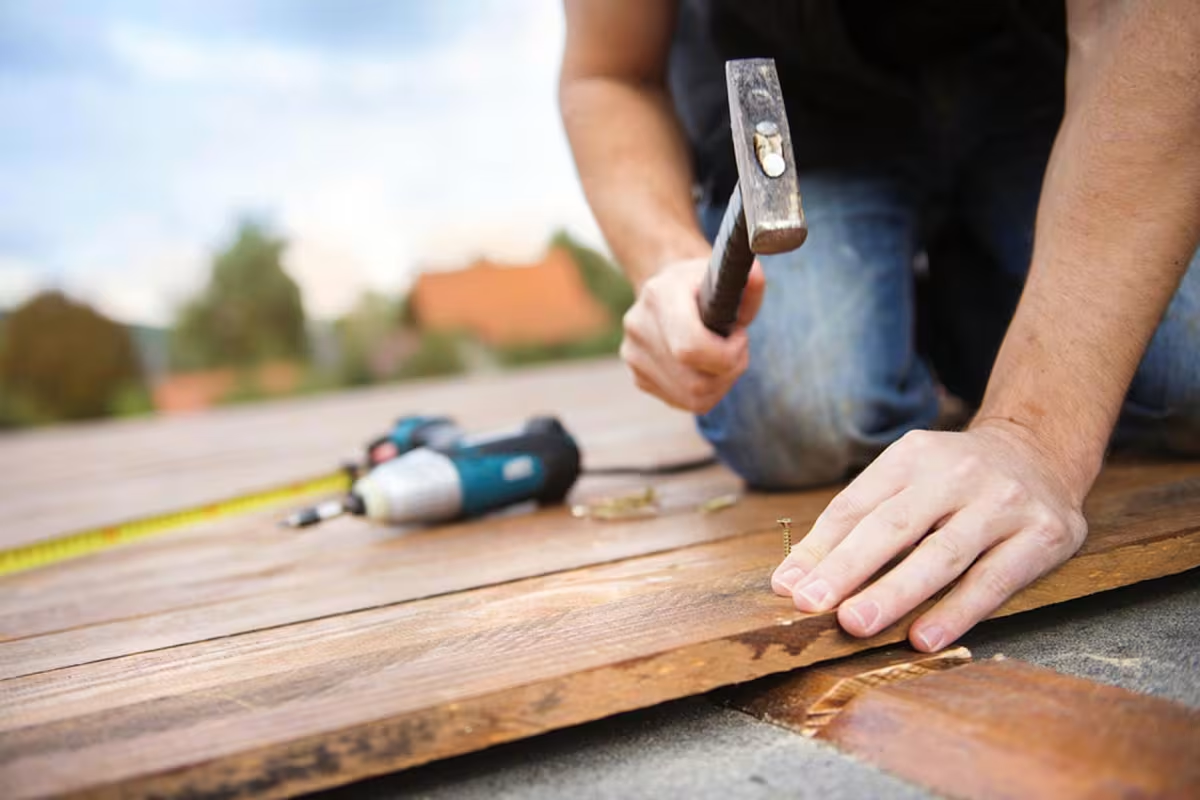
There’s much to consider when choosing the right decking material for your outdoor space. Before deciding, you’ll want to weigh maintenance needs, durability, costs, and environmental impact. While wood offers a classic, authentic look, it demands regular upkeep and is vulnerable to moisture and insect damage. On the other hand, composite decking requires minimal maintenance and provides long-term value with its extended warranties and eco-friendly composition. Understanding these differences will help you select the best deck that fits your lifestyle and budget.
Key Takeaways:
- Composite decking offers long-lasting durability with minimal maintenance, making it a cost-effective option despite higher initial costs.
- Wood decking provides a natural, authentic appearance and customization options, but requires regular upkeep and is more susceptible to moisture and insect damage.
- Composite materials tend to be more eco-friendly, utilizing recycled content and reducing the need for chemical treatments compared to traditional wood decks.
Understanding Composite Decking
Definition and Composition
Your journey into decking options starts with understanding composite decking. Among the various materials available, composite decking is engineered from a blend of recycled wood fibers and plastic polymers. This combination enhances durability and reduces environmental impact, making it an attractive alternative to traditional wood. The material’s unique makeup means you’ll experience less maintenance and a longer lifespan than natural wood decks. This translates into fewer repairs and a visually appealing deck for years.
Types of Composite Decking
Decking comes in several composite materials, each designed to meet different budgets, aesthetics, and performance needs. Generally, you will encounter:
- Extruded composite decking is made by melting raw materials and shaping them through a mold for uniformity.
- Molded composite decking is formed by pressing a mixture of materials into shapes, allowing for more varied textures.
- Capped composite decking features a protective outer shell for enhanced resistance to moisture and fading.
This variety will enable you to choose an option that fits your design and maintenance preferences.
| Type | Key Characteristics |
|---|---|
| Extruded Composite | Consistent shape, smooth surface, and generally more affordable |
| Molded Composite | Textured finish mimics natural wood grain |
| Capped Composite | Protective shell for improved durability and fading resistance |
| Fiberglass Reinforced | Enhanced structural strength, less common |
| Mixed Blends | Combines wood fibers and polymers in proprietary ratios |
With your decking options, capped composite decking like Trex Enhance® Basics stands out for its unique outer shell that guards against weather and wear. This makes it ideal if you prefer a deck with a wood-like appearance that requires minimal maintenance. When choosing your composite, consider these key points:
- Durability and resistance to moisture
- Appearance and finish options
- Cost relative to your budget
- Warranty coverage to protect your investment
- Environmental impact of the material
This tailored approach ensures you have decking that matches your style and practical requirements.
Advantages of Composite Materials
Composite materials’ low maintenance demands and long-lasting durability are essential benefits. Thanks to their weather-resistant composition, composite decks typically require only simple semi-annual cleaning, unlike wood, which needs frequent sealing and staining. For instance, Trex’s warranty of up to 50 years reflects manufacturers’ confidence in their product’s ability to withstand the elements without warping or insect damage.
For instance, by selecting composite decking, you can expect:
- Reduced maintenance costs and effort over time
- Resistance to moisture and pests that commonly plague wood decks
- Eco-friendliness through the use of recycled materials
- Variety in appearance with lasting color and texture
- Long-term cost savings despite a higher initial investment
This combination of benefits makes composite decking a wise choice if you want a reliable, sustainable, attractive deck that will serve your outdoor living space well for decades.
Maintenance and Care for Composite Decking
Cleaning Requirements
With composite decking, upkeep is straightforward and minimal. A simple semi-annual cleaning using a pressure washer or a thorough scrub with soap and water is usually all needed to keep your deck fresh. Unlike wood, composite decks don’t require sanding, staining, or sealing, saving you time and effort while providing a lasting, beautiful appearance.
Longevity and Warranties
One of the most significant advantages you experience with composite decking is its impressive lifespan. Top-tier composite materials, like those from Trex, come with warranties ranging from 25 to 50 years, offering peace of mind that your investment will endure beyond typical wood decks, even in harsh weather conditions.
Further, these warranties often cover issues like fading, staining, and structural integrity, reinforcing that your deck is protected against many common forms of damage. This long-term assurance means you’re less likely to face costly repairs or replacements than traditional wood decks, making composite decks a wise choice for lasting value.
Environmental Benefits
At the heart of your decision, composite decking is an eco-friendly option made from recycled materials such as plastic film and reclaimed sawdust. This means your deck reduces waste and minimizes ongoing maintenance’s environmental impact, as fewer chemicals and water are needed for upkeep than wood.
Warranties aside, the sustainability of composite decking extends beyond materials. Its durability reduces the need for frequent replacement, saving resources over time and decreasing your deck’s carbon footprint. By choosing composite, you support a greener lifestyle while enjoying a deck built to last.
Understanding Wood Decking
Unlike composite decking, wood decking relies on natural materials that require more upkeep but offer a timeless, authentic appeal. Against evolving decking technologies, wood remains a favored choice for those who value tradition, natural aesthetics, and the ability to customize through stains and paints. While wood decks demand more frequent maintenance, including sanding, sealing, and protection against moisture and insects, their distinct beauty and feel continue to attract many deck builders and homeowners. Knowing the specific types of wood and their characteristics helps you make an informed decision tailored to your needs.
Types of Wood Used in Decking
Against a variety of options, several common wood types dominate the decking market, each bringing unique strengths and weaknesses. Pressure-treated pine, cedar, redwood, tropical hardwoods like ipe, and bamboo offer different balances of durability, cost, and aesthetics. When choosing your decking wood, you should consider factors like resistance to decay, insect damage, and maintenance levels. Knowing these key varieties helps you select the material that fits your design vision and budget.
| Wood Type | Main Characteristics |
|---|---|
| Pressure-Treated Pine | Affordable, common, requires chemical treatment, prone to warping |
| Cedar | Naturally insect-resistant, medium durability, aromatic scent |
| Redwood | Rich color, decay-resistant, softer than hardwoods |
| Tropical Hardwoods (e.g., Ipe) | Extremely durable, dense, expensive, requires pre-drilling |
| Bamboo | Eco-friendly, fast-growing, strong, but requires proper treatment |
Natural Characteristics and Aesthetics
The natural grain, color variation, and texture of wood give your deck a unique, authentic look that many find unmatched by composites. Wood allows you to express evolving tastes by applying stains or paint, providing ongoing customization possibilities that composites cannot offer. However, wood’s appearance can change, often darkening or weathering without consistent care.
Understanding how sunlight, moisture, and temperature affect wood will help you maintain the deck’s visual appeal. This variability gives each wood deck its character, but keeping even color and surface integrity requires regular attention to avoid fading, cracking, or mildew.
Benefits of Traditional Wood Decks
Wood remains a popular decking option because it is generally more affordable upfront and offers a naturally warm feel to your outdoor space. Wood is versatile, allowing you to easily modify your deck’s appearance through sanding and staining over the years, adapting your deck to fit changing styles and preferences.
Traditional wood decks convey an undeniable sense of craftsmanship and authenticity. By choosing wood, you embrace a material that ages gracefully when well-maintained and can be repaired or refinished more easily than composites. This means you can preserve your investment and enjoy your deck for many years with the proper care while appreciating its organic beauty.
Maintenance and Care for Wood Decking
Routine Maintenance Needs
Among the various upkeep tasks for wood decking, regular sanding, staining, and sealing are crucial to protecting your deck from the elements. This work typically needs to be done every one to two years to preserve the wood’s appearance and durability. Cleaning your deck periodically and addressing any signs of wear early will help maintain its aesthetic appeal and structural integrity.
Risks of Damage
Wood decking faces risks such as moisture absorption, insect infestations, and natural deterioration. If not properly managed, these factors can significantly weaken your deck’s structure, especially in wetter climates where water damage accelerates decay and attracts pests like termites. Understanding these vulnerabilities is key to protecting your investment.
Wood’s natural susceptibility to environmental conditions is at the core of these risks. Water can cause rotting, warping, or cracking, while insect damage, particularly from termites, can undermine your deck’s safety and lifespan. You must regularly apply chemical treatments to waterproof and repel pests, which adds to your ongoing maintenance and ecological considerations.
Longevity and Sustainability
Routine care greatly influences how long your wood deck lasts, with a properly maintained deck often reaching 15 years or more. However, this longevity comes with sustained effort and costs for treatment and repairs. If you are committed to preservation, wood’s natural beauty can provide a timeless, authentic look that synthetic alternatives might not fully replicate.
In addition to maintenance, sustainability is a factor worth considering. Wood decks often require repeated applications of varnishes and chemicals that may impact the surrounding environment over time. While wood can offer a lower upfront cost, the environmental footprint of its upkeep may be higher than that of composite options.
Cost Analysis
Upfront Expenses for Composite vs. Wood
Expenses for composite decking are generally higher upfront than traditional wood, often causing hesitancy among potential buyers. While pressure-treated lumber remains a more affordable, composite materials like Trex Enhance® Basics demand a larger initial investment due to their specialized manufacturing. However, this cost can be seen as an investment in durability and reduced upkeep that pays off over time, especially if you prioritize long-term savings and low maintenance.
Long-Term Maintenance Costs
With composite decking, your maintenance expenses stay near zero, requiring only occasional cleaning without sanding, sealing, or staining. In contrast, wood decks demand consistent upkeep, including annual sanding, staining, and sealing to avoid deterioration. This results in higher costs and requires ongoing physical effort, which can accumulate significantly over the years.
Wooden decks can cost around $6,765 over 15 years at an estimated annual maintenance cost of approximately $451. These expenses may increase based on your deck size and local environmental factors. Additionally, treating wood for insect and moisture damage adds to both the cost and labor, which you won’t need to worry about with composite decking, making composites a more cost-effective solution in the long run.
Resale Value Considerations
Resale value is an essential factor when choosing decking materials. Composite decks, backed by 25- to 50-year warranties, often add value due to their durability and minimal maintenance requirements, which appeal to potential buyers seeking longevity and ease of care. Wood decks may attract those favoring authenticity, but they can depreciate faster because of required upkeep and susceptibility to damage.
Composite decking’s longevity and lower maintenance often translate into higher resale appeal, as buyers understand they will face fewer issues and costs over time. Wood decks, while classic in appearance, may require significant future investment to restore or maintain, which can be a deterrent during resale negotiations.
Aesthetic Considerations
After deciding on the practical aspects of decking material, your focus will likely turn to how your deck looks. The aesthetic appeal enhances your outdoor space and reflects your style. Choosing between composite and wood means weighing the differences in appearance, texture, and design flexibility. Each option offers unique advantages in creating the visual atmosphere you want for your deck that lasts over time.
Visual Appeal of Composite Decking
Above all, composite decking offers various hues, tones, and patterns you won’t find in traditional wood. Its weather-resistant shells provide lasting color and texture, meaning your deck maintains its fresh appearance without fading or peeling. While composite cannot be stained or painted later, it delivers a consistent, durable look designed to withstand the elements and keep your deck vibrant for decades.
Customization Options for Wood Decks
Above all, wood decks allow you to tailor your deck’s colors and finishes over time, thanks to their natural absorbency and compatibility with stains and paints. This lets you refresh or completely alter your deck’s appearance as your tastes evolve, something composite decks do not offer. Wood gives your outdoor space an authentic feel that some find unmatched by synthetic options.
Appeal for wood decking extends beyond initial beauty—it offers ongoing adaptability. You can choose from a broad palette of stains or paints, updated every one to two years with proper maintenance, allowing your deck to shift styles or restore its original charm. This freedom, combined with the rustic warmth of wood grain, helps make your deck a genuinely personal and evolving outdoor living area.
Trends in Deck Design
Among emerging trends, many homeowners favor the low-maintenance benefits of composite decking combined with innovative textures and color blends, creating modern yet natural aesthetics. Meanwhile, wood remains beloved for its timeless, organic appeal, especially when paired with custom railings or integrated lighting. These design choices shape outdoor spaces that balance beauty, function, and longevity.
Deck design today often incorporates mixed materials to leverage the strengths of both wood and composite. For instance, you might use composite decking for the primary surface to minimize upkeep, while accentuating areas with natural wood railings or trim for warmth and detail. This approach lets you enjoy the durability and eco-friendly aspects of composite, alongside the visual versatility and natural charm of wood.
Summing Up
Choosing between composite and wood decking depends on your budget, style preferences, and maintenance priorities. Whichever option you select, professional landscaping services can elevate your outdoor area into a functional and inviting space. Be Happy Property Services offers expert solutions to enhance your decking and landscaping. Contact us today to create the perfect outdoor environment for your property!
FAQ
What are the main maintenance differences between composite and wood decking?
Composite decking requires minimal maintenance, typically just a semi-annual cleaning with soap and water or a pressure wash, without sanding, sealing, or staining. In contrast, wood decking demands frequent upkeep, including sanding, staining, painting, and sealing every one to two years to protect it from water damage, insects, and weathering.
How do the durability and lifespan of composite decking compare to wood decks?
Composite decking is generally more durable and designed to last decades, often backed by 25 to 50 years of warranties. Wood decks, while able to last 15 years or more, rely heavily on regular maintenance to prevent deterioration and damage from moisture and pests. Without proper care, wood decks can degrade much faster than composite options.
Which decking option is more environmentally friendly and why?
Composite decking is considered more environmentally friendly because it is made from recycled materials such as reclaimed sawdust and plastic film, reducing waste and the carbon footprint. Additionally, its long lifespan and low maintenance lessen the use of chemicals and resources over time. Wood decking, while natural, often requires repeated chemical treatments for protection, which can negatively impact the surrounding environment.

Jacob Bishop is the founder and CEO of Be Happy Property Services. With a strong background in property management and customer service, Jacob has dedicated himself to creating a company that prioritizes client satisfaction and seamless property experiences. His extensive knowledge and hands-on approach have earned him a reputation for excellence in the industry. Jacob’s passion for real estate and commitment to happy living spaces make him a trusted leader in property services.