
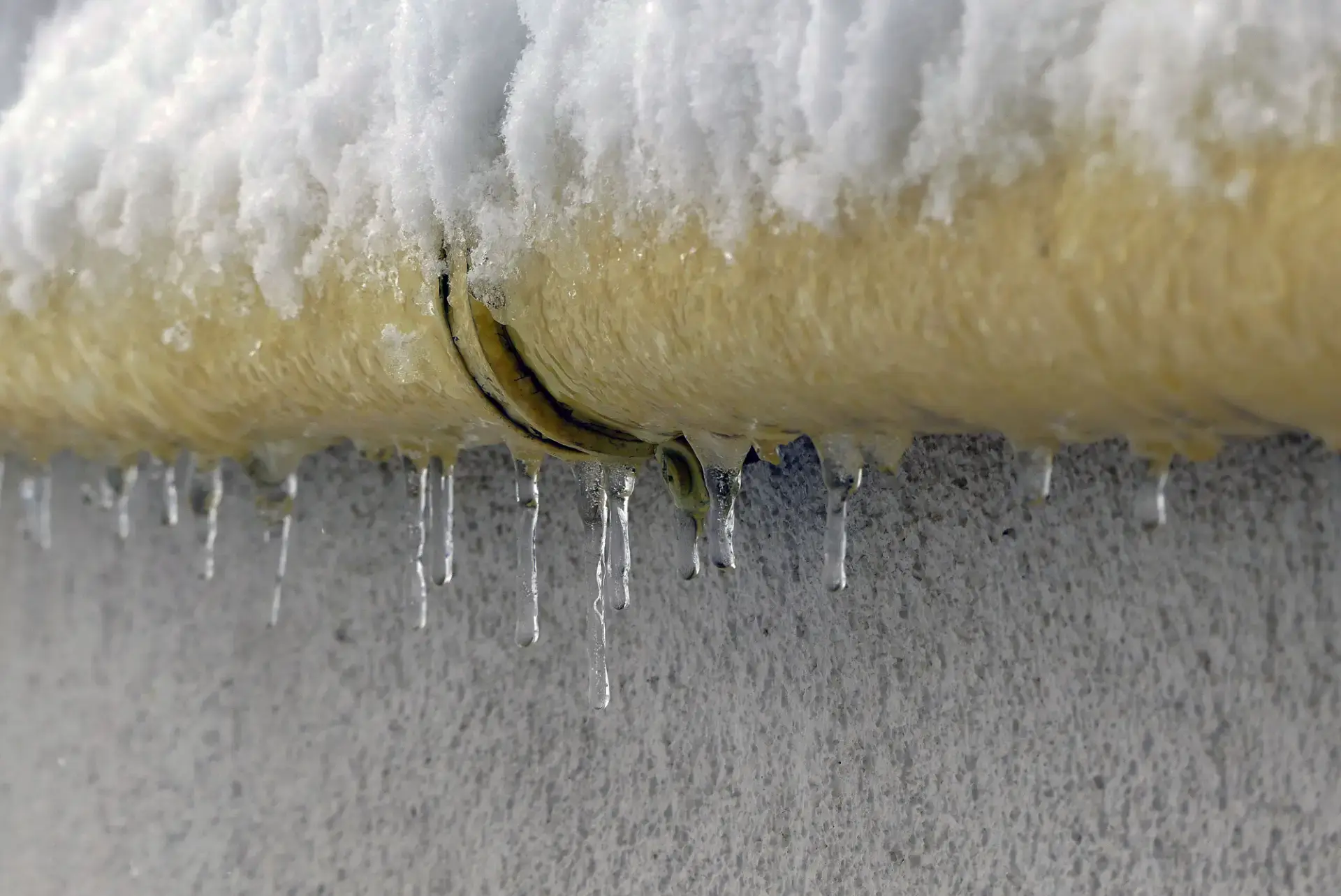
A frozen pipe is a quiet emergency. Water expands as it freezes, pressure builds, and a pipe that held fine all summer can split and flood a home the moment it thaws. In Anchorage, where deep cold is a given, preventing frozen pipes is one of the most important things a homeowner can do before winter sets in. This guide covers why pipes freeze, how to prevent it, and what to do if one freezes anyway.
Why Pipes Freeze (and Why It’s So Costly)
When water inside a pipe freezes, it expands and puts enormous pressure on the pipe walls. That pressure doesn’t just affect the ice — it builds between the blockage and a closed faucet until something gives. The result is often a crack or burst that releases water everywhere once things warm up.
The pipes most at risk are the ones exposed to cold:
- Pipes in unheated spaces — crawl spaces, garages, attics, and exterior walls
- Outdoor faucets and hose bibs left connected or undrained
- Pipes near air leaks where cold drafts reach them
- Lines in vacant or under-heated areas of the home
A single burst pipe can cause thousands of dollars in water damage, which is why burst pipe prevention is worth the small effort it takes.
How to Prevent Frozen Pipes
Most freeze damage is preventable with a few steps before and during cold snaps. Winterizing plumbing in Alaska comes down to insulation, air sealing, and keeping water moving.
Before winter:
- Insulate exposed pipes. Foam pipe sleeves on lines in crawl spaces, garages, and exterior walls are cheap insurance.
- Disconnect and drain hoses. Drain outdoor faucets and shut off their supply where possible.
- Seal air leaks. Close gaps where cold air reaches pipes — a job that pairs with overall weatherproofing your doors and windows.
- Know your main shutoff. Make sure you can cut the water fast if a pipe does burst.
During a cold snap:
- Let faucets drip. A trickle of water through at-risk pipes relieves pressure and resists freezing.
- Open cabinet doors. Let warm room air reach pipes under sinks on exterior walls.
- Keep the heat on. Never let the home drop too low, even when away — set the thermostat no lower than the mid-50s°F.
- Add warmth to cold spots. Keep vulnerable areas above freezing.
These habits are also part of a smart year-round home maintenance routine that keeps winter problems from piling up.
Signs a Pipe Has Frozen
Catch a freeze early and you may prevent a burst. Watch for:
| Sign | What it means |
|---|---|
| No water from a faucet | A line may be frozen upstream |
| Frost on a visible pipe | Ice is forming inside |
| Bulging or a strange smell | Possible crack or backup |
| Gurgling or banging | Ice moving through the line |
If only a trickle comes out when you open a tap on a cold morning, treat it as a frozen pipe and act before it worsens.
How to Thaw a Frozen Pipe Safely
If you find a frozen pipe that hasn’t burst, thawing a frozen pipe safely is the goal:
- Open the faucet so water can flow as the ice melts and pressure releases.
- Apply gentle heat with a hair dryer, heat lamp, or warm towels, starting near the faucet and working back.
- Never use an open flame. Torches and open flames are a serious fire risk and can damage the pipe.
- Warm the whole area if you can’t reach the frozen spot directly.
If you can’t locate the freeze, the pipe is inside a wall, or it has already burst, shut off the main water supply and call a pro right away.
When to Call a Pro
Some freeze situations call for professional help:
- A pipe has already burst or is leaking
- The frozen section is inside a wall, floor, or ceiling you can’t reach
- You want pipes properly insulated and air-sealed before winter
- You’ve had repeat freezes and need the underlying cold spots fixed
A burst pipe is an emergency; getting the water off and the line repaired fast limits the damage. And an ounce of prevention beats a flooded floor — having vulnerable pipes insulated and sealed before the deep cold is the smartest move of all.
How to Get Started
- Find your at-risk pipes — exposed, exterior, and unheated areas.
- Insulate and seal them before the first hard freeze.
- Drain outdoor faucets and disconnect hoses.
- During cold snaps, drip faucets and keep the heat on.
- Know your shutoff and call a pro for bursts or hidden freezes.
Want your home freeze-ready — or need a burst handled fast? A professional handyman service in Anchorage can insulate and seal vulnerable pipes before winter and respond when something goes wrong.
Which Approach Is Right for You?
If your pipes are accessible, insulating them, draining outdoor faucets, and dripping taps during cold snaps will carry most homes safely through winter. If you’ve had repeat freezes, have pipes you can’t reach, or you’re facing a burst, bring in a pro to fix the cold spots and repair the damage. Either way, preparing before the freeze is far cheaper than cleaning up after one.
Don’t wait for a burst pipe. Be Happy Property Services proudly serves Anchorage, AK and surrounding communities with clean, courteous, reliable handyman work. Call 907-336-7434 or visit our contact page to request a free, no-pressure estimate.
Frequently Asked Questions
At what temperature do pipes freeze in Anchorage?
Pipes are generally at risk once temperatures drop below freezing (32°F), but exposed pipes in unheated spaces can freeze faster in a hard cold snap. Because Anchorage sees sustained deep cold, preventing frozen pipes means insulating vulnerable lines and keeping the home heated well before the coldest stretches arrive.
How do I keep my pipes from freezing when I’m away?
Keep the heat on — set the thermostat no lower than the mid-50s°F even when away — and have someone check the home during cold snaps. Before leaving, insulate exposed pipes, drain outdoor faucets, and consider shutting off and draining the water supply for longer absences to eliminate the risk entirely.
What should I do if a pipe is frozen but not burst?
Open the faucet to relieve pressure, then apply gentle heat with a hair dryer, heat lamp, or warm towels, working from the faucet back toward the frozen spot. Never use an open flame. If you can’t reach or find the freeze, or the pipe is inside a wall, shut off the main and call a pro.
Which pipes are most likely to freeze?
The highest-risk pipes are those in unheated or exposed areas — crawl spaces, garages, attics, exterior walls — along with outdoor faucets left connected, and any lines near air leaks. Insulating these pipes and sealing nearby drafts are the core of burst pipe prevention in Alaska homes.
Should I let my faucets drip during a cold snap?
Yes. Letting at-risk faucets drip keeps water moving and relieves the pressure that actually causes a frozen pipe to burst. A small, steady trickle through pipes on exterior walls — combined with open cabinet doors and steady heat — is a simple, effective way to get through the coldest nights.