
Maintenance of your lawn involves more than mowing and watering; it requires careful attention when using pesticides and other chemical products. You must select the right product for your lawn problem while minimizing exposure to yourself, your family, and the environment. Proper application following the label instructions is necessary because all pesticides are poisonous. Understanding soil health, pest identification, and safe chemical use, you can keep your lawn green and healthy while protecting wildlife and water resources.
Key Takeaways:
- Identify and assess lawn problems carefully before using pesticides, considering nonchemical alternatives when possible.
- To minimize risk, always read and follow pesticide labels exactly, wear recommended personal safety equipment, and apply chemicals at the specified rates.
- Maintaining healthy soil through aeration, proper watering, thatch management, and soil pH adjustment helps reduce pest issues and the need for chemical treatments.
Understanding Lawn Care Chemicals
Importance of Chemical Selection
By choosing the proper lawn care chemical for your specific problem, you can effectively manage pests while reducing unnecessary exposure to yourself, your family, and the environment. Selecting a product for a particular pest avoids harming nontarget plants and wildlife. Always read the product label carefully since it is a legal document that guides proper and safe use. Assume that incorrect chemical choice or misuse could lead to ineffective results and increased risks to health and the surrounding ecosystems.
Types of Chemicals Used in Lawn Care
Lawn care chemicals include herbicides, insecticides, fungicides, fertilizers, and soil amendments. Each is formulated to address specific lawn needs, from controlling weeds and insects to promoting healthy growth. Products vary from synthetic to natural ingredients, with natural options often less toxic but still requiring caution. Identifying your lawn’s needs will help you select the most effective and safest product.
| Chemical Type | Main Purpose |
|---|---|
| Herbicides | Control unwanted weeds |
| Insecticides | Manage insect pests |
| Fungicides | Prevent or treat fungal diseases |
| Fertilizers | Provide imperative nutrients for growth |
| Soil Amendments (Lime) | Adjust soil pH and improve conditions |
Due to the diversity of lawn care chemicals, each type uniquely maintains a healthy and lush lawn. You should consider how these chemicals interact with your lawn’s soil, pest issues, and environmental conditions. For example, lime helps raise acidic Alaska soils to an optimal pH range of 6.0–6.5, encouraging better nutrient uptake. Understanding these types lets you develop a more effective care routine tailored to your lawn’s needs.
- Herbicides target weeds without harming grass.
- Insecticides control damaging lawn insects.
- Fungicides manage fungal infections.
- Fertilizers support growth and vitality.
- Lime corrects soil acidity to optimize growth.
Environmental Considerations
One crucial factor when using lawn chemicals is their potential impact on water resources, wildlife, and surrounding plants. Improper application, especially on slopes, can lead to runoff contaminating these sensitive areas. Using chemicals exactly as the label dictates helps reduce such risks. Protecting the environment also protects your lawn’s long-term health and safety.
Consequently, you should always consider how your lawn care chemical choices affect your grass, nearby trees, aquatic life, and the broader ecosystem. To prevent contamination, avoid applying chemicals near wellheads, septic systems, or storm drains. Wearing the appropriate personal protective equipment and following label directions minimizes harm to you and the environment, ensuring a greener lawn and a healthier community.
Initial Steps for Lawn Treatment
Gathering Information about Lawn Issues
Information is key when addressing lawn problems. If you encounter pests like insects or weeds you cannot identify, contact resources such as the Cooperative Extension Service or use their Integrated Pest Management (IPM) portal at www.uaf.edu/ces/invasives/. This will help you understand the exact nature of the issue before proceeding. Additionally, your local greenhouse or garden center can be a valuable source for advice on identifying problems and solutions tailored to your specific lawn.
Soil Testing and Analysis
Testing the soil at the start of lawn care can provide vital data about nutrient deficiencies and pH levels. Knowing your soil’s condition allows you to apply the right treatments that promote healthy root growth and a lush lawn. Extension offices often provide information on soil testing, and garden centers may offer convenient pH testing kits.
Also, maintaining an optimum soil pH of 6.0 to 6.5 benefits most Alaska lawn grasses. Proper soil testing ensures that amendments like lime are applied only when necessary, avoiding potential damage from overuse. Well-informed soil management reduces the need for chemical interventions and improves the long-term health of your lawn.
Assessing Pest Problems vs. Non-Chemical Solutions
Issues such as weeds or insects do not always require chemical treatment. Before choosing pesticides, assess whether non-chemical remedies might be sufficient to restore your lawn’s health. Weigh the risks and benefits carefully, remembering that all pesticides are poisonous and must be used cautiously to protect yourself, your family, and the environment.
Due to the sensitivity of Alaska’s ecosystem, including the risk of herbicide runoff affecting water sources and wildlife, you should explore alternatives like aeration, proper watering, and dethatching before turning to chemicals. Enhancing lawn health through these cultural practices can often minimize or eliminate pest problems without exposure to toxic substances.
Choosing the Right Pesticide
Unlike general lawn care products, pesticides must be selected carefully based on the specific pest you want to control and the environment where you will apply them. You want to pick products that effectively target the pest while minimizing risk to yourself, your family, pets, and the surrounding wildlife and water resources. Always opt for the least toxic option to achieve the desired results, and strictly follow the instructions on the product label to ensure safe and effective use.
Understanding Pesticide Toxicity
Along with effectiveness, understanding the toxicity of the pesticide you choose is necessary. Some pesticides are made with natural ingredients and can be less toxic to you and your environment, but all pesticides are inherently poisonous. Your goal should be to minimize exposure for yourself and others while effectively controlling the pest, so selecting a product with lower toxicity and targeted action helps achieve this balance.
Reading and Interpreting Labels
Toxicity information is one of the many essential details included on pesticide labels. The label is a legal document that provides clear instructions on safe and proper use, including how much to apply, the pests controlled, and precautions to take. By carefully reading the label, you minimize risks and avoid over-application, which does not improve pest control but increases dangers to health and the environment.
Reading a pesticide label thoroughly before purchase and use helps you understand the ingredients, safety recommendations, application rates, and any environmental warnings. The label will often specify the minimum personal safety equipment needed, how to mix and apply the product correctly, and what to do in case of accidental exposure. Treat the label as your primary guide for achieving the intended results and protecting yourself and those around you.
Necessary Personal Safety Equipment
About personal safety, even if the label does not specify detailed protective gear, you should at least wear long pants, a long-sleeved shirt, gloves made of chemical-resistant material, and closed-toe shoes to prevent exposure. Many labels will advise additional protection, such as respirators, if the pesticide’s vapors or spray mist pose inhalation risks.
Pesticide safety gear protects against unintended exposure and potential poisoning. Never assume minimal protection is enough; wearing the proper equipment protects your skin, eyes, and lungs from harmful chemicals. Always prepare according to the label, and when in doubt, add an extra layer of safety gear to maintain your health and safety during application.
Application Techniques
Mixing Pesticides Safely
Mix pesticides safely by measuring exactly according to the product label. It is against the law to apply pesticides at rates higher than recommended, and overapplication will not increase effectiveness. Wearing personal safety equipment before opening the container is essential, and if the label advises, additional gear like a respirator may be necessary. Use dedicated utensils for measuring and mixing pesticides only to prevent contamination. Following these guidelines protects you, your family, and the environment from unnecessary exposure.
Understanding Local Drainage and Runoff
Observing how water drains around your lawn before applying any pesticide is essential. Lawns on slopes can cause runoff that carries soil-active herbicides into areas where they may harm ornamental plants, water sources, fish, and wildlife. Applying pesticides carefully, away from wellheads, septic systems, and storm drains, will help reduce this risk and prevent unintended contamination.
For instance, soil-active herbicides and weed-and-feed products move through soil with water. If applied carelessly on sloped terrain, they can enter the roots of nearby trees or flow into local streams, threatening ecosystems and wildlife. Assessing your lawn’s drainage patterns helps you apply products responsibly, safeguarding your property and the surrounding environment from damage.
Timing and Weather Considerations
In addition to selecting the right product, timing your pesticide application according to weather conditions is essential. Avoid applying during windy or rainy weather to prevent drift and runoff, increasing the risk to nontarget areas. Pesticides should be used when rain is not expected for at least 24 hours to allow absorption and effectiveness while minimizing environmental contamination.
Weather significantly impacts pesticide performance and safety, and applying it on calm, dry days reduces the chance of chemical drift and runoff into sensitive areas like water bodies or neighboring plants. Additionally, appropriate timing helps ensure the product remains where it is needed, delivering effective pest control while protecting your lawn’s health and the surrounding ecosystem.
Alternatives to Chemical Treatments
Soil Health and Aeration
Along with chemical-free lawn care, you should improve your soil’s health. Aerating your lawn helps reduce soil compaction, allowing air, water, and nutrients to reach the grass roots more effectively. This encourages deep root growth and reduces runoff and the potential for chemical contamination. You can rent a lawn aerator or hire a professional to ensure your soil stays loose and fertile, making your lawn naturally more resistant to pests and diseases.
The Role of Thatch Management
The role of thatch in your lawn is often underestimated. A thick thatch layer can block imperative nutrients, water, and air from reaching the roots, increasing the risk of pest and disease problems. Keeping thatch under ½ inches maintains a healthy growing environment. Proper management helps you avoid issues that might otherwise lead to chemical treatments.
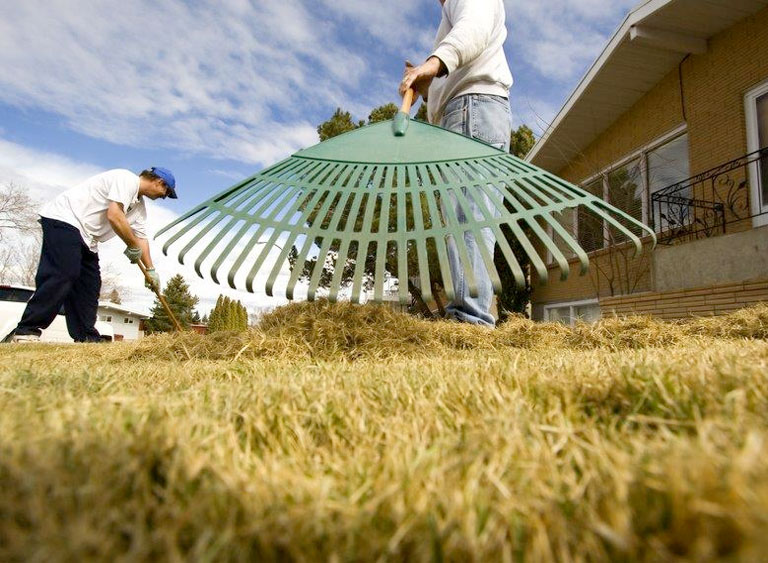
Regularly monitoring your thatch layer is essential, especially in Alaska, where slow decomposition can cause buildup. Using a mechanical dethatcher or raking can prevent excessive thatch. Leaving grass clippings on the lawn is generally beneficial for soil structure, but removing excess is necessary to protect your lawn’s health when thatch exceeds recommended limits.
Effective Watering Practices
For a healthy lawn, apply about ½ to 1 inch of water per week, focusing on deep, infrequent watering rather than frequent shallow watering. This encourages roots to grow deeper, helping your lawn withstand drought and reducing surface runoff that can carry chemicals into nearby ecosystems.
It is essential to consider the soil type in your lawn area. Sandy or rocky soils require more frequent watering than clay-rich soils. Proper watering supports root development and minimizes the need for pesticides by promoting a robust, healthy turf capable of naturally resisting pests and diseases.
Nutrient Management
After understanding the basics of lawn care, nutrient management becomes necessary to keep your lawn vibrant and healthy. Proper nutrient balance supports better growth, resilience against pests, and lawn vitality.
Importance of Soil pH
Across Alaska, soil pH significantly influences how well your lawn absorbs nutrients. Most lawn grasses thrive best when the soil pH is between 6.0 and 6.5. Nutrient availability decreases if the soil is too acidic or alkaline, affecting your lawn’s health. Testing soil pH ensures that you can take the proper steps to optimize nutrient uptake effectively.
The Role of Lime and Fertilizer
Sometimes, your lawn may require amendments like lime to adjust soil pH and fertilizers to provide necessary nutrients. Since most Alaska soils are acidic, adding lime can increase pH toward the ideal range, improving nutrient availability. Fertilizers labeled 22-11-11 are commonly recommended, requiring at least two applications annually for best results.
Apart from adjusting soil pH, lime and fertilizers are both corrosive chemicals. This means you must use proper personal safety equipment when handling them to protect yourself and your family. Using the correct amounts according to soil tests also prevents over-application, limiting environmental risks such as runoff into water resources.
Scheduling Fertilizer Applications
Below are some guidelines for timing your fertilizer applications to get optimum results. Applying fertilizer at the correct times promotes healthy root growth and helps your lawn withstand droughts and pests.
Consequently, most Alaska lawns benefit from at least two fertilizer applications annually, usually in spring, late summer, or early fall. In regions with heavy rainfall, an extra application might be necessary. Following these schedules helps maintain consistent nutrient levels and supports a lush, resilient lawn all season.
To wrap up
Proper lawn maintenance, including responsible pesticide use, is key to achieving a healthy, vibrant lawn. By addressing weeds and pests effectively, you can ensure your outdoor spaces thrive year-round. Be Happy Property Services offers professional lawn maintenance designed for your property’s needs. Contact us today to enjoy a lush, green lawn that leaves a lasting impression!
FAQ
How can I determine if my lawn needs pesticide treatment?
Before applying any pesticides, it is essential to assess the problem thoroughly. Start by identifying the pest or issue affecting your lawn. You can contact the Cooperative Extension Service or use their Integrated Pest Management portal for help with pest identification. Once identified, consider whether nonchemical methods could effectively resolve the problem. Only choose pesticides if other measures are inadequate and the pest is causing significant damage.
What personal safety precautions should I take when using lawn chemicals?
Always read the pesticide label carefully, as it provides legal instructions on proper use and safety requirements. At minimum, wear long-sleeved shirts, long pants, and gloves when handling pesticides. If the label advises avoiding inhalation of spray or vapors, include a respirator or mask in your protective gear. Measuring pesticides accurately and avoiding over-application helps reduce risk to yourself and the environment.
How can lawn maintenance practices reduce the need for pesticides?
Maintaining a healthy lawn can naturally discourage pests and diseases, limiting pesticide use. Aerating the soil helps improve air and water penetration to the roots, reducing compaction. Managing thatch buildup ensures nutrients and water reach the grass effectively. Proper watering techniques, such as deep but infrequent watering, strengthen root systems. Adjusting soil pH with lime and applying fertilizer based on soil tests supports overall lawn health, making it more resilient to pest pressures.

Jacob Bishop is the founder and CEO of Be Happy Property Services. With a strong background in property management and customer service, Jacob has dedicated himself to creating a company that prioritizes client satisfaction and seamless property experiences. His extensive knowledge and hands-on approach have earned him a reputation for excellence in the industry. Jacob’s passion for real estate and commitment to happy living spaces make him a trusted leader in property services.