
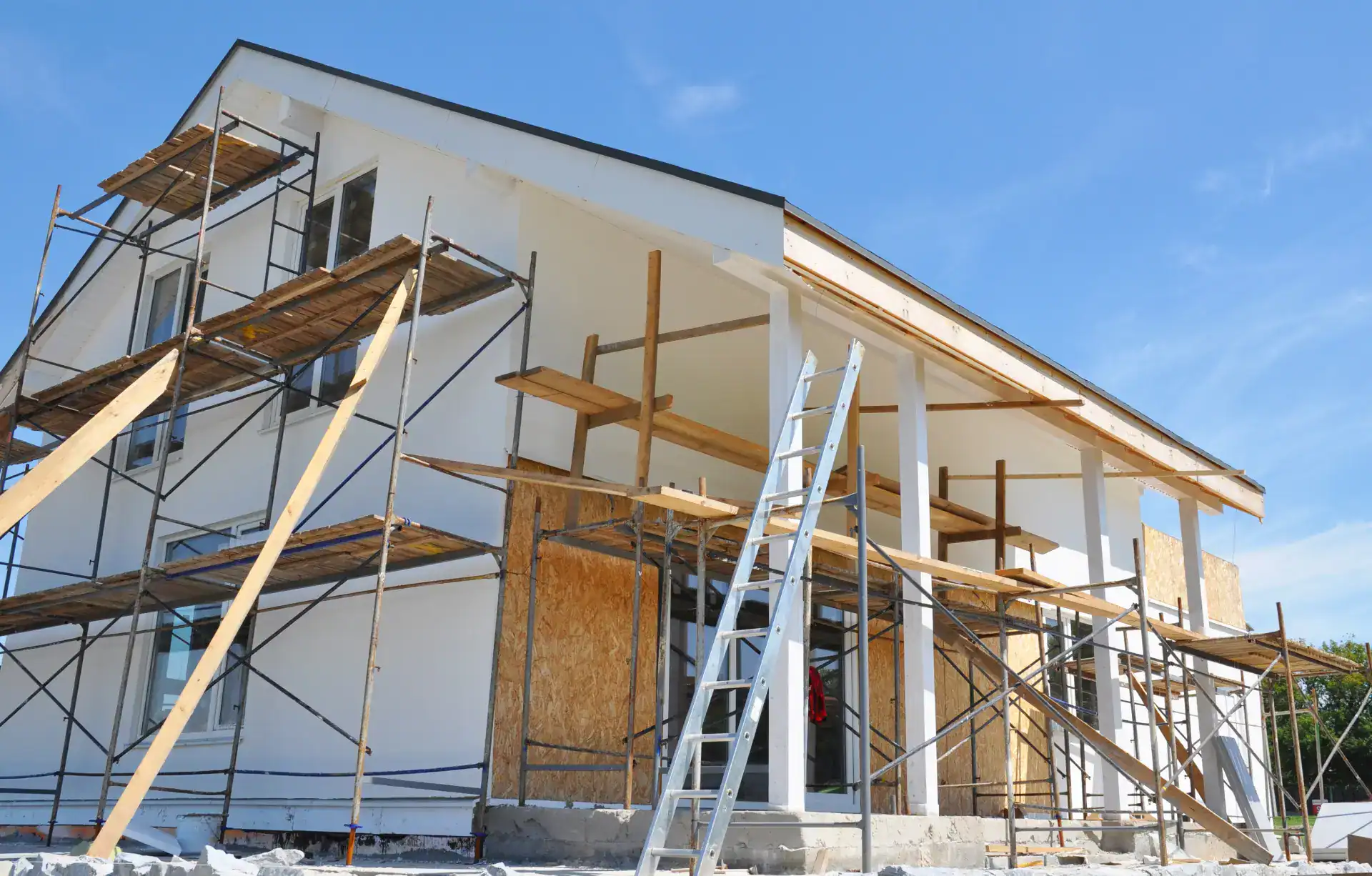
When your home starts to feel too small, moving is not always the best answer. Sometimes, the smarter option is to expand the home you already have. Home additions Anchorage homeowners consider can create more room for family life, work, storage, guests, hobbies, or everyday comfort.
A home addition can be a new bedroom, an expanded kitchen, a larger living room, a mudroom, a garage addition, a bathroom, a primary suite, a sunroom, or a finished living area connected to the existing home. Some additions are small and focused. Others change the entire layout and feel of the house.
Before starting, it is important to understand that an addition is more than extra square footage. It affects the structure, foundation, roofline, exterior, heating, electrical system, layout, property use, and sometimes plumbing. It also requires careful planning around Anchorage’s climate, local permitting, site conditions, and long-term home value.
In Anchorage, residential additions commonly require permit planning. The Municipality of Anchorage lists a checklist for new residential additions that includes a completed residential worksheet, drawings, structural calculations, plot plans, stormwater information, and a Building Safety Service Area map.
That does not mean the process has to feel overwhelming. It means homeowners should begin with a clear plan, a realistic scope, and a team that understands how to think through the details before work begins.
Why Homeowners Choose to Build an Addition
A simple problem often drives home additions: the home no longer fits the way the household lives.
A family may need another bedroom. A homeowner may need a private office. A kitchen may feel too tight. A living room may not have enough space for gatherings. A growing household may need a larger bathroom, better entryway storage, or a more useful mudroom for Alaska winters.
Some homeowners consider adding a room because they like their neighborhood and do not want to move. If the location works, expanding the current home can help preserve the property’s benefits while addressing space issues.
Others add space to improve long-term comfort. A first-floor bedroom, larger bathroom, or more open living area can make the home easier to use over time. A well-planned addition can support both current needs and future needs.
The most important step is to define the reason for the addition. More space alone is not the goal. Better use of space is the goal.
Start With the Purpose of the New Space
Before thinking about design, materials, or budget, start with the purpose of the addition.
Ask what the new space needs to do. Is it for sleeping, cooking, working, relaxing, storage, guests, laundry, hobbies, or daily entry and exit? Each purpose creates different design needs.
A home office needs quiet, outlets, lighting, and separation from busy areas. A mudroom needs durable flooring, storage, and easy access. A bedroom needs privacy, heating, egress, and layout planning. A bathroom addition needs plumbing, ventilation, waterproofing, and electrical planning.
A kitchen expansion may need new cabinets, counters, lighting, appliances, plumbing, and ventilation. A living room addition may require a strong connection to the existing floor plan and ample natural light.
When the purpose is clear, every decision becomes easier. Layout, budget, materials, windows, doors, utilities, and finishes can all be chosen to support the way the room will actually be used.
Think About How the Addition Connects to the Existing Home
A good home addition should feel like it belongs. It should not feel like a random room attached to the side of the house.
The connection between the new space and the existing home is one of the most important design decisions. The addition should improve the flow of the house rather than create awkward corners, tight transitions, or wasted space.
This may involve opening an existing wall, extending a hallway, expanding a kitchen, or creating a smoother connection between indoor and outdoor areas. It may also involve matching ceiling heights, flooring transitions, trim styles, siding, roofing, and window placement.
The exterior matters too. The roofline, siding, doors, windows, and foundation should be planned to make the addition look natural. A mismatched addition can affect curb appeal and long-term value.
In Anchorage, it is also important to think about winter use. Entry points, snow accumulation, roof drainage, ice concerns, and protected access can all affect how well the addition performs throughout the year.
Consider the Site and Lot Conditions
Every property has limits and opportunities.
Before planning home additions, Anchorage homeowners should carefully review the lot. The property’s shape, setback rules, slope, drainage, access, existing utilities, trees, driveway placement, and neighboring structures can all affect what is possible.
Some homes have plenty of room to expand outward. Lot size, easements, required yards, or site conditions may limit others. In some cases, building up may be considered instead of building out, but that brings its own structural questions.
Drainage is especially important. An addition changes the roof area, hard surfaces, and water movement around the home. Poor drainage can create foundation concerns, icy surfaces, or moisture issues. The Municipality of Anchorage’s addition checklist references stormwater information, which shows that water management may be part of the review process.
Soil and foundation conditions also matter. Anchorage homes may face site-specific challenges that should be reviewed before finalizing construction decisions. A strong addition starts with a stable base and a plan that fits the property.
Understand Anchorage Permit Requirements
Home additions usually require permits because they change the home’s size, structure, and systems.
In Anchorage, residential building permits apply to one- and two-family dwellings. Local guidance states that within the Building Safety Service Area, an owner or authorized agent must apply for and obtain required permits before covered construction, enlargement, alteration, repair, movement, demolition, occupancy changes, or regulated electrical, gas, mechanical, or plumbing work, unless exempted by code.
For new residential additions, Anchorage lists submittal items such as a completed residential worksheet, two sets of drawings, structural calculations that match the drawings, plot plans sealed by an Alaska-registered land surveyor, stormwater handout information, and the Building Safety Service Area map.
Outside the Building Safety Service Area, Anchorage guidance states that land-use permits are required for new buildings, additions, and changes in use or occupancy.
Permits help confirm that important work is reviewed and inspected when required. They also help protect homeowners from future problems during resale, insurance reviews, or inspections.
Budget Beyond the Room Itself
A home addition budget should include more than the walls and finishes of the new space.
The cost may include design planning, permit fees, site preparation, demolition, foundation work, framing, roofing, siding, windows, doors, insulation, drywall, flooring, trim, paint, heating, electrical work, plumbing, ventilation, and exterior repairs. If the addition affects the existing home, that interior connection work should also be included.
Permit and plan review fees may also apply. Anchorage’s residential worksheet lists a building permit fee based on valuation, with a minimum fee, along with plan review fees and other possible review-related charges.
A budget should also include a contingency for unexpected conditions. Once work begins, hidden issues may appear. These can include old wiring, framing concerns, foundation issues, water damage, insulation gaps, or utility conflicts.
Planning a realistic budget early helps prevent stress later. It also helps you decide which features matter most and which upgrades can be simplified or saved for another phase.
Choose the Right Type of Addition
There are many types of home additions, and each one has different planning needs.
A bedroom addition can help with a growing family, guests, or long-term living needs. It requires careful planning for privacy, heating, lighting, closet space, and safe exits.
A bathroom addition can improve comfort, especially in homes with too few bathrooms. It also requires plumbing, ventilation, waterproofing, fixture selection, and electrical planning.
A kitchen addition or expansion can make the home feel more open and functional. It may involve cabinets, countertops, appliances, lighting, plumbing, and changes to how the household gathers and cooks.
A living room addition can create more space for relaxing, hosting, or family time. The design should connect smoothly to the existing layout and allow enough natural light.
A mudroom addition can be especially practical in Anchorage. It can provide space for coats, boots, gear, storage, and a cleaner transition from outside to inside.
A garage addition can provide vehicle protection and storage, but it must be planned to accommodate driveway access, lot layout, foundation work, and connections to the home.
The right addition depends on the problem you are trying to solve.
Plan for Anchorage Weather
Anchorage weather should influence home addition planning from the beginning.
Cold temperatures, snow, freeze-thaw cycles, wind exposure, and moisture all affect design and construction decisions. An addition needs proper insulation, air sealing, heating, drainage, roofing, and exterior protection.
Roof design is especially important. Snow load, roof slope, roof valleys, drainage paths, gutters, and ice buildup should be considered. Poor roof planning can lead to maintenance issues or water problems.
Entry areas also need careful thought. If the addition includes a new exterior door, homeowners should consider snow buildup, safe walking surfaces, lighting, and protected access.
Windows can improve natural light, but they should be selected and placed with comfort and efficiency in mind. A room with too much heat loss or poor orientation may feel uncomfortable during colder months.
A home addition should not only look good in summer. It should work well through Anchorage winters, too.
Think About Heating, Electrical, and Plumbing
A new space needs more than finished walls. It needs systems that make it usable.
Heating is a major part of addition planning in Anchorage. The new room must be comfortable and properly connected to the home’s heating system. Depending on the project, this may involve extending existing heating, adjusting capacity, or adding a suitable heating solution.
Electrical planning should include outlets, switches, lighting, smoke alarms where required, and sufficient power for the room’s intended use. A home office, bedroom, bathroom, kitchen expansion, or living area will each have different electrical needs.
Plumbing applies when the addition includes a bathroom, laundry room, kitchen expansion, wet bar, or utility area. Plumbing can add cost and complexity, especially when drains, water lines, or venting need to be routed through the existing home.
Mechanical and ventilation planning also matter. Bathrooms, kitchens, and laundry areas need proper moisture and air management. Poor ventilation can lead to discomfort and moisture issues.
These systems should be planned early because they affect layout, budget, permits, and construction sequencing.
Match Materials Without Overspending
One challenge with home additions is matching the existing home.
The new siding, roofing, flooring, trim, doors, windows, and paint should blend as well as possible. If materials are no longer available, the project may need a practical alternative that looks intentional.
Inside the home, transitions matter. Flooring changes should feel smooth. Trim should be consistent. Paint colors and wall textures should work together. Door sizes and window styles should not look out of place.
However, matching does not mean overspending on every detail. The goal is to create a finished result that feels connected and durable. Some areas may deserve higher investment, while others can use practical materials that still look good.
For example, a mudroom may benefit more from durable flooring and smart storage than from expensive decorative finishes. A living room addition may benefit from better windows and lighting. A bathroom addition may require robust waterproofing before installing luxury finishes.
A balanced approach helps keep the budget focused on long-term performance and daily use.
Know How an Addition Affects Daily Life During Construction
A home addition can affect your household while work is underway.
There may be noise, dust, temporary access changes, material deliveries, exposed work areas, and schedule adjustments. If the addition connects to a kitchen, bathroom, bedroom, or main living area, daily routines may be disrupted.
Planning can make the process easier. Homeowners should think about where family members will sleep, cook, work, park, and enter the home during construction. Pets, children, remote work, and storage needs should also be considered.
Weather can affect scheduling, too. Seasonal conditions may influence exterior work, site preparation, foundations, roofing, and inspections. Anchorage homeowners should be realistic about timing and plan with flexibility.
Clear communication is important. When expectations are set early, the process is easier to manage.
Avoid Common Home Addition Mistakes
One common mistake is starting with a vague idea instead of a clear purpose. Saying “we need more space” is a start, but the project needs more detail. What kind of space? For whom? Used how often? Connected to which part of the house?
Another mistake is underestimating the cost of connecting the addition to the existing home. The transition area may involve demolition, framing, flooring, trim, electrical work, heating adjustments, and finish repairs.
A third mistake is ignoring the exterior. The addition must work with the roof, siding, drainage, foundation, and lot. A beautiful interior can still create problems if the exterior is poorly planned.
Some homeowners also forget about storage. Adding square footage is helpful, but without smart storage, the home may still feel cluttered.
Finally, do not treat permits as a last-minute detail. Anchorage residential additions can require drawings, structural calculations, plot plans, and stormwater information, so planning should begin early.
How Be Happy Property Services Can Help
Be Happy Property Services helps Anchorage homeowners think through remodeling and home improvement projects with a practical approach.
A home addition is a major investment, so planning matters. The project should begin with the homeowner’s goals, the condition of the existing home, the property layout, and the type of space being added.
From there, important questions can be addressed. How will the addition connect to the home? What systems are involved? Does the layout make sense? What materials are practical? What permit questions need to be reviewed? How can the project support daily life?
The goal is to create added space that feels useful, comfortable, and connected to the home. A successful addition should solve a real problem, not create new ones.
Whether you are considering a bedroom, bathroom, kitchen, living area, mudroom, or garage addition, a clear plan helps make the process more manageable.
Is a Home Addition Worth It?
A home addition can be worth it when it solves a long-term space problem and improves the way the home functions.
For many homeowners, the value is not only financial. It is also practical. More space can make mornings easier, reduce clutter, create privacy, support work-from-home needs, or make the home more comfortable for family life.
An addition may also help homeowners stay in a location they already love. If your neighborhood, lot, schools, commute, or daily routine works well, expanding may be more appealing than moving.
However, the project should be planned carefully. A poorly designed addition can feel awkward, cost more than expected, or fail to solve the original problem. A well-planned addition can improve both comfort and usability.
The best question is not simply whether you need more square footage. The better question is whether the new space will make your home work better every day.
Home Additions in Anchorage
Home additions: Anchorage homeowners’ plans should begin with purpose, not just size. The right addition can create a better bedroom, a larger living area, an improved kitchen, a practical mudroom, an extra bathroom, or more usable storage.
Before starting, think about layout, budget, site conditions, permits, heating, plumbing, electrical work, exterior design, and long-term use. Additions are more involved than basic remodels because they affect the home’s structure and systems.
Anchorage permitting requirements should also be reviewed early. Residential additions may require drawings, structural calculations, plot plans, stormwater information, and other permit-related documents.
With the right planning, a home addition can make your house more comfortable, useful, and better suited to your life. Be Happy Property Services can help homeowners in Anchorage think through the details and create a practical plan to expand their living space.
FAQs
Do home additions in Anchorage need permits?
Yes, home additions in Anchorage commonly require permits because they change the home’s size, structure, systems, or use. Anchorage’s residential addition guidance lists items such as drawings, structural calculations, plot plans, stormwater information, and a residential worksheet for new residential additions.
What should I consider before building a home addition?
Before building a home addition, consider the space’s purpose, how it connects to the existing home, the property layout, budget, permits, heating, electrical work, plumbing needs, exterior design, drainage, and long-term function.
What type of home addition is best for Anchorage homes?
The best type of addition depends on your needs. Many Anchorage homeowners benefit from practical additions such as bedrooms, bathrooms, kitchen expansions, living areas, mudrooms, garage additions, and storage-focused spaces.
How can I control the cost of a home addition?
You can control costs by defining the project scope early, avoiding unnecessary layout changes, choosing practical materials, carefully planning systems, preparing for permit requirements, and setting aside a contingency for hidden issues.
Who can help with home additions in Anchorage?
Be Happy Property Services can help Anchorage homeowners plan home additions based on their goals, property conditions, budget, and desired living space improvements.

Jacob Bishop is the founder and CEO of Be Happy Property Services. With a strong background in property management and customer service, Jacob has dedicated himself to creating a company that prioritizes client satisfaction and seamless property experiences. His extensive knowledge and hands-on approach have earned him a reputation for excellence in the industry. Jacob’s passion for real estate and commitment to happy living spaces make him a trusted leader in property services.