
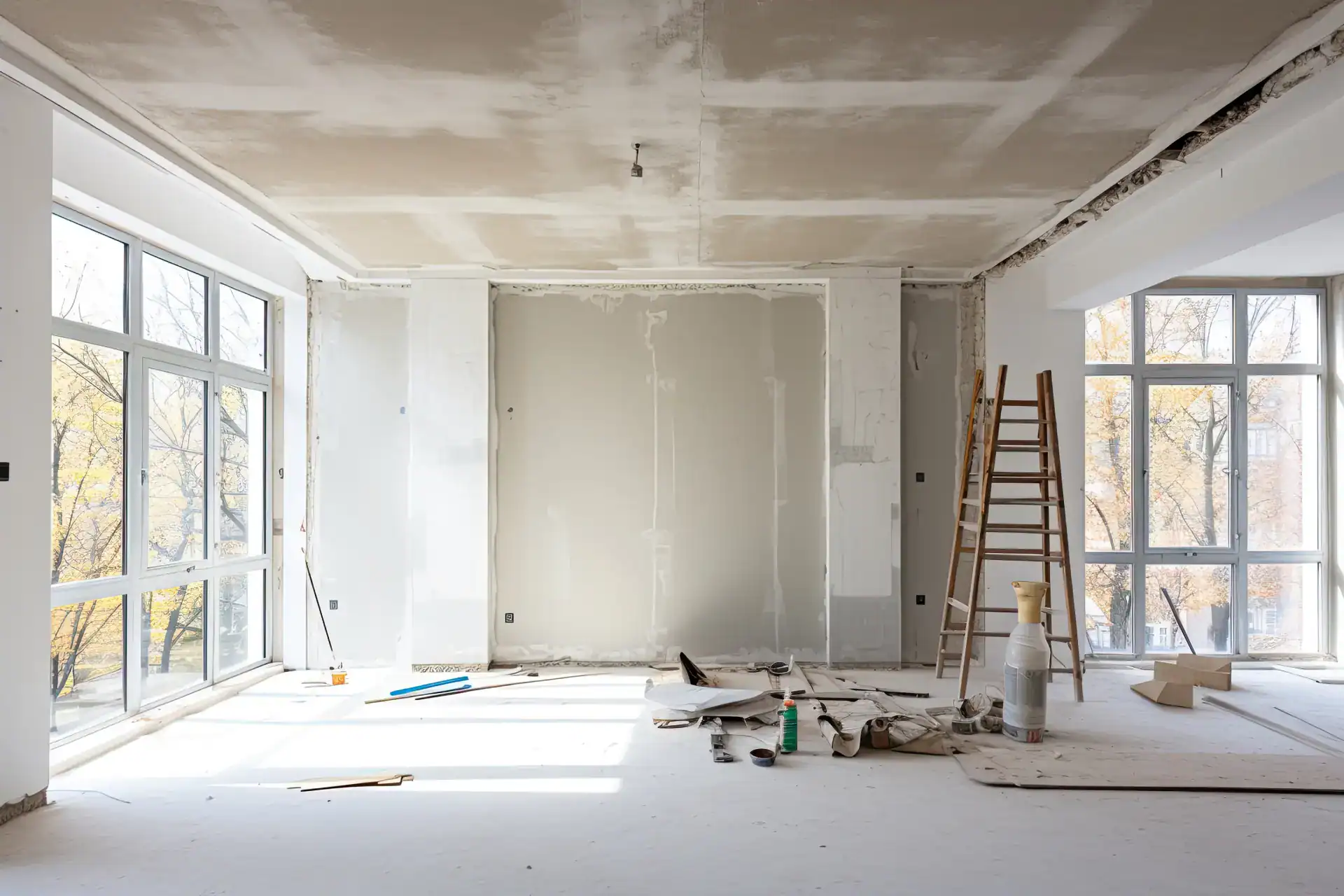
Planning a remodel is exciting, but before walls come down or fixtures get moved, it is important to understand whether your project may need approval. Anchorage remodeling permits can apply to many home improvement projects, especially when the work affects the structure, plumbing, electrical, mechanical systems, occupancy, or the home’s size.
For many homeowners, permits feel confusing because not every project is treated the same way. Painting a bathroom is very different from moving a shower drain. Replacing a countertop is different from removing a wall. Updating flooring is different from finishing a basement.
That is why the best answer is not simply yes or no. The real answer depends on the type of remodel, the scope of work, and the homeowner’s location.
For one- and two-family homes, residential building permits apply in Anchorage. Inside the Building Safety Service Area, an owner or authorized agent generally needs to apply for and obtain the required permit before constructing, enlarging, altering, repairing, moving, demolishing, changing occupancy, or working on regulated electrical, gas, mechanical, or plumbing systems unless the work is specifically exempted by code.
That wording matters because many remodels involve more than surface-level updates. A project may start as a kitchen refresh but turn into electrical updates, plumbing changes, wall removal, ventilation work, or structural repair. Once the scope reaches those areas, permit requirements may apply.
Why Remodeling Permits Matter
Permits are not just paperwork. They help confirm that important work is reviewed and inspected when required. This is especially important for remodeling projects that affect safety, structure, moisture control, electrical systems, plumbing, or mechanical systems.
A remodel can look beautiful on the surface and still have problems behind the walls if the work is not done correctly. Electrical mistakes can create safety concerns. Plumbing errors can cause leaks. Poor ventilation can lead to moisture problems. Structural changes can affect how the home distributes weight.
Permits also help protect future resale. If you sell your home later, unpermitted work may raise questions during inspections, appraisals, or buyer reviews. Even if the work was done with good intentions, missing permits can create stress when documentation is needed.
For Anchorage homeowners, it is better to ask early than to find out later that the project should have been permitted. A clear plan helps avoid delays, rework, and unexpected issues.
Projects That Often Need Anchorage Remodeling Permits
Many remodeling projects may need permits when they involve construction, alteration, repair, demolition, or changes to regulated home systems. This includes work on electrical, plumbing, gas, and mechanical systems when those systems are covered by code.
Common examples include moving walls, changing the home’s layout, adding rooms, finishing basements, relocating plumbing, adding electrical circuits, replacing or modifying mechanical equipment, and building additions.
A permit may also be needed when a remodel changes how a space is used. For example, converting unfinished basement space into finished living space is not the same as painting an already finished room. Changing use can create requirements for safety, egress, heating, electrical, insulation, and other building standards.
The safest approach is to treat any deeper remodel as a project that may need review. If the work goes beyond cosmetic finishes, it is worth confirming the permit path before the project begins.
Be Happy Property Services can help homeowners think through the scope of a remodel so the right questions are asked before work starts.
Projects That May Not Need a Building Permit
Some smaller home updates may not require a building permit. Anchorage’s residential permit handout lists several types of work that may be exempt from a building permit, including painting, papering, tiling, carpeting, cabinets, countertops, and similar finish work.
This means many surface-level updates may be simpler from a permit standpoint. For example, replacing cabinet hardware, repainting a room, installing carpet, updating tile finishes, or replacing countertops may not require the same approval as deeper construction work.
However, there is an important warning. Even when a building permit is not required for certain exempt items, separate plumbing, electrical, and mechanical permits may still be required unless those parts of the work are also exempt.
That detail is easy to miss. A countertop replacement may be a finish update, but if the project also includes moving a sink, changing electrical outlets, adding lighting, or modifying ventilation, the permit question changes.
This is why homeowners should consider the full scope, not just the main project name.
Kitchen Remodel Permits in Anchorage
Kitchen remodeling can range from a simple visual update to a full renovation. Permit requirements depend on what is being changed.
A light kitchen update may include painting, replacing cabinet hardware, updating countertops, or installing new flooring. These types of finish upgrades may be exempt from a building permit if they remain within the finish-work categories listed in local guidance.
A larger kitchen remodel is different. If the project includes moving plumbing, adding or changing electrical work, altering walls, changing ventilation, replacing gas-related systems, or modifying structural elements, permits may be needed.
For example, moving a sink can involve plumbing work. Adding new outlets or lighting can involve electrical work. Removing a wall can raise structural questions. Installing or modifying a range hood may involve mechanical or ventilation considerations.
Even if the kitchen layout seems simple, older homes can have hidden conditions. Once cabinets and walls are opened, outdated wiring, plumbing issues, or framing problems may become apparent. If those areas need repair or replacement, the permitting scope may expand.
Before starting a kitchen remodel, homeowners should separate cosmetic updates from system changes. That one step can make the permit conversation much clearer.
Bathroom Remodel Permits in Anchorage
Bathroom remodels often involve plumbing, electrical work, ventilation, waterproofing, and fixture installation. Because so many systems are packed into a small room, bathroom projects often need closer review than homeowners expect.
A simple bathroom refresh may include paint, a new mirror, updated cabinet hardware, or a new vanity that does not require major plumbing changes. Some finish work may fall under exemptions, depending on the exact scope.
However, many bathroom remodels go further. Replacing a tub, converting a tub to a shower, moving a toilet, changing a vanity location, adding outlets, installing new lighting, or upgrading ventilation may trigger permit requirements.
Plumbing is a major factor. Moving water lines or drains is different from replacing a faucet in the same location. Electrical work is also important because bathrooms have moisture and safety requirements. Ventilation matters because bathrooms need proper moisture control.
If the remodel includes opening walls, repairing water damage, or rebuilding parts of the room, the scope may also include building-related work.
For homeowners, the key question is this: are you only updating finishes, or are you changing the systems behind the finishes? If systems are involved, Anchorage remodeling permits may be part of the project.
Basement Remodel Permits in Anchorage
Basement remodeling can be one of the most permit-sensitive home improvement projects because it may change unfinished or lightly used space into a finished living area.
Finishing a basement may involve framing walls, adding insulation, installing electrical circuits, adding heating, changing plumbing, building a bathroom, creating bedrooms, installing drywall, adding egress, and improving ventilation. These are not just cosmetic updates.
A basement project can also affect life safety. Bedrooms and finished living spaces may require proper exits, smoke alarms, heating, ceiling height considerations, and other code-related details. Moisture control is also important because basements are more vulnerable to dampness, leaks, and insulation issues.
Anchorage’s residential worksheet includes categories for finished, partially finished, and unfinished basement square footage, indicating that basement condition and use are part of residential permit documentation.
If you are only painting an already finished basement or replacing flooring, the permit question may be simpler. If you are framing new rooms, adding a bathroom, changing electrical systems, or creating a finished living space, you should expect permit requirements to be part of the planning process.
A basement remodel should always start with a careful scope review. The cost of doing it correctly is usually far better than dealing with unpermitted finished space later.
Home Addition Permits in Anchorage
Home additions are among the clearest examples of projects that usually require permits.
An addition changes the size, footprint, structure, and often the systems of the home. It may involve foundation work, framing, roofing, siding, insulation, heating, electrical, plumbing, zoning review, drainage, and site planning.
Anchorage’s residential permit guidance lists a checklist for new residential additions. Items include a completed residential worksheet, drawings, structural calculations, plot plans, stormwater information, and a map of the Building Safety Service Area.
That level of documentation shows that additions are more involved than interior updates. They affect not only the inside of the home, but also the lot, structure, drainage, and exterior conditions.
Outside the Building Safety Service Area, local guidance requires land use permits for new buildings, additions, and changes in use or occupancy.
If you are planning an addition in Anchorage, you should consider permits from the very beginning. Waiting until design decisions are already made can cause delays or force changes.
What About Like-for-Like Replacements?
Some projects are not full remodels but still involve replacing important equipment or fixtures.
Anchorage identifies retrofit permits as official documents or certificates for like-for-like replacement of an appliance, electrical service, plumbing fixture, or modification of existing equipment with parts developed or made available after the original installation.
This can matter when a homeowner is not changing the full room but is replacing a regulated item. A project may feel small, but if it involves an appliance, fixture, electrical service, plumbing fixture, or equipment covered by permit rules, it may still need the correct permit path.
Like-for-like does not always mean “no permit.” It means the project may fall into a different permit category than a full remodel.
For homeowners, the best approach is to clearly describe the work. Are you replacing something in the same location? Are you changing size, capacity, fuel type, venting, wiring, or plumbing? Those details can affect what is required.
Inside vs. Outside the Building Safety Service Area
Permit requirements may differ depending on whether the property is inside or outside the Building Safety Service Area.
For residential projects inside the Building Safety Service Area, permits are generally required before covered construction, alteration, repair, demolition, occupancy changes, or regulated electrical, gas, mechanical, or plumbing work unless the work is exempted by code.
Outside the Building Safety Service Area, the local guidance identifies land use permits for new buildings, additions, and changes in use or occupancy.
This distinction is important because homeowners may assume that all Anchorage-area properties follow the same process. The correct path can depend on the property location and the type of work being done.
If there is any doubt, homeowners should confirm before construction begins. The permit office can help clarify requirements, and a remodeling team can help organize the project scope so the right information is available.
What Can Happen If You Skip a Permit?
Skipping a required permit can create problems during the project and later.
Work may need to be stopped, opened for inspection, corrected, or documented after the fact. This can be more expensive and stressful than handling the permit properly from the start.
Unpermitted work can also create resale concerns. Buyers, inspectors, and lenders may ask questions if finished rooms, additions, plumbing changes, or electrical upgrades do not match available records.
Safety is another major issue. A permit is not just a formality when the work affects wiring, plumbing, structure, or ventilation. Those systems can affect the long-term safety and performance of the home.
Even if a project seems small, it is better to check. The goal is not to slow down the remodel. The goal is to make sure the work is done correctly and documented when needed.
How to Plan a Remodel Around Permits
The best time to think about permits is before the remodel begins.
Start by writing down the full scope of work. Include everything you want changed, repaired, replaced, added, removed, or relocated. Do not only list the visible finishes. Include plumbing, electrical, mechanical, walls, floors, ceilings, fixtures, and layout changes.
Next, separate cosmetic updates from system-related work. Cosmetic updates may include paint, flooring, cabinets, countertops, and similar finish work. System-related work may include plumbing, electrical, gas, mechanical, ventilation, structural changes, or additions.
Then, confirm whether your home is inside or outside the Building Safety Service Area. This may affect the type of permit or review needed.
After that, gather the right project details. Additions, drawings, calculations, plot plans, and stormwater information may be included in the checklist. For smaller interior remodels, the required information may differ.
Be Happy Property Services can help homeowners organize remodeling plans so the project starts with a clearer understanding of what may be required.
How Inspections Fit Into Remodeling
Permits and inspections often go together. A permit authorizes covered work, while inspections confirm that required stages are completed properly.
The local permits and inspections page includes information on what requires a building permit, how to apply, the types of building inspections, and how to schedule, cancel, or contact inspections.
For remodels, inspections may be needed at different stages depending on the work. Electrical, plumbing, mechanical, framing, insulation, and final inspections may apply to different project types.
This is one reason planning matters. Some work must be inspected before it is covered by drywall, tile, flooring, or finishes. If the schedule is not planned properly, finished work may need to be reopened.
Homeowners should understand that inspections are part of the process, not an obstacle. They help protect the investment and support safe, code-aware work.
When to Ask Before Starting Work
You should ask about permits before starting work if your remodel includes any of the following:
Moving or removing walls.
Changing plumbing locations.
Adding or changing electrical wiring.
Installing new mechanical or ventilation equipment.
Building a bathroom in a basement.
Finishing unfinished space.
Adding square footage.
Changing the use of a room.
Replacing equipment or fixtures that may fall under retrofit permit rules.
Repairing hidden structural, water, or system damage.
Even if one part of the project is exempt, another part may require a separate permit. For example, cabinets and countertops may be listed as finish work, but related plumbing or electrical work may still need separate permits.
The safest approach is to check the full scope, not just the project title.
Working With Be Happy Property Services on a Remodel
A successful remodel starts with a clear plan. That includes budget, materials, layout, timeline, and permit considerations.
Be Happy Property Services helps Anchorage homeowners look at the project as a whole. A kitchen remodel, bathroom remodel, basement finish, or home addition may all involve different levels of planning. The right approach depends on the existing space, the desired changes, and the systems involved.
For simple finish updates, the process may be more straightforward. For larger remodels, the project may require more review, documentation, and inspections.
The goal is to help homeowners avoid confusion before work begins. When the project scope is clear, the permit path is easier to understand.
Final Thoughts on Anchorage Remodeling Permits
Anchorage remodeling permits may be required for many home remodels, especially when the work affects the structure, plumbing, electrical, gas, or mechanical systems, home additions, occupancy, or finished living space.
Not every update needs the same type of permit. Painting, tiling, carpeting, cabinets, countertops, and similar finish work may be exempt from a building permit in certain cases. However, separate plumbing, electrical, and mechanical permits may still be required when those systems are involved.
Kitchen remodels, bathroom remodels, basement finishes, and additions should always be reviewed based on scope. A simple refresh may be different from a full renovation. A surface update may be different from moving plumbing or changing walls.
Before starting your remodel, take time to clarify what is changing. Be Happy Property Services can help you plan your Anchorage remodeling project with a practical approach that considers the work, the home, and the permit questions that may apply.
FAQs
Do I need a permit for a kitchen remodel in Anchorage?
You may need a permit for a kitchen remodel in Anchorage if the project includes plumbing, electrical, gas, mechanical, structural, or layout changes. Simple finish work, such as painting, cabinet or countertop updates, or similar work, may be exempt from a building permit in certain cases. However, related plumbing or electrical work may still need separate permits.
Do I need a permit for a bathroom remodel in Anchorage?
A bathroom remodel may need a permit if it includes moving plumbing, replacing or changing electrical work, modifying ventilation, rebuilding a shower, or opening walls for deeper repairs. A light cosmetic refresh may be simpler, but the full scope should always be reviewed before work begins.
Do I need a permit to finish a basement in Anchorage?
Finishing a basement may require permits because it can involve framing, electrical work, heating, insulation, plumbing, drywall, egress, and changes to living space. Basement projects should be checked early because they often involve more than surface-level finish work.
Do home additions in Anchorage need permits?
Yes, home additions commonly require permits because they change the home’s size, structure, and footprint. Anchorage’s residential addition checklist includes items such as a residential worksheet, drawings, structural calculations, plot plans, and stormwater information.
Who can help me understand Anchorage remodeling permits?
Be Happy Property Services can help Anchorage homeowners review the scope of a remodeling project and identify permit-related questions before work begins. For official requirements, homeowners should also confirm details with the local permit office.

Jacob Bishop is the founder and CEO of Be Happy Property Services. With a strong background in property management and customer service, Jacob has dedicated himself to creating a company that prioritizes client satisfaction and seamless property experiences. His extensive knowledge and hands-on approach have earned him a reputation for excellence in the industry. Jacob’s passion for real estate and commitment to happy living spaces make him a trusted leader in property services.