Alaska’s landscape is dramatic—towering mountains, endless summer daylight, and soils that can swing from glacier-ground silt to pure gravel in a single shovelful. Those extremes make spring lawn care and planting both thrilling and intimidating: your window for success is narrow, but the payoff can be spectacular. The guide below walks you through everything you need to know for a healthy, vibrant yard and garden this season, weaving together horticultural science, local know-how, and professional tips that work north of the 60th parallel.
The Alaska Advantage—and Challenge
Before a single seed is sown, it pays to grasp what makes Alaskan growing unique. The state’s short frost-free season, cool soils, and wildly variable microclimates demand hardy genetics, careful timing, and intensive soil preparation. Long daylight hours in June and July can turbo-charge growth once plants are established, but only if roots are warm and nutrient-rich. Your strategy: front-load the work in spring so your lawn and beds can sprint through summer.
Know What You’re Planting
Spring optimism often leads gardeners to impulse-buy whatever looks pretty on the nursery bench. Resist the urge. Instead, align your plant list with proven performers for northern gardens—species that handle cold soils, rebound from the occasional late frost, and capitalize on extra summer light.
-
Perennial flowers: tulips, pansies, columbine, forget-me-nots, lupine, and arctic poppies provide color and can overwinter reliably in many regions.
-
Cold-tolerant edibles: peas, salad greens, beets, kale, collards, and root crops germinate well in soil temperatures down to the upper 30s.
-
Turf varieties: fine fescue blends and perennial ryegrass establish quickly and stay green with minimal heat stress.
Matching species to conditions saves water, fertilizer, and frustration. When in doubt, tap local trial data from the Cooperative Extension or compare notes with neighboring gardeners.
Start Indoors, Finish Strong Outside
Alaska’s clock is merciless: a late-May freeze can be followed by 75 °F sunshine the first week of June. To hit the ground running:
-
Sow seeds indoors six to eight weeks before your region’s average last frost. Use sterile mix, bottom heat, and full-spectrum lights to keep seedlings stocky instead of leggy.
-
“Harden off” transplants for one week by setting trays outside during the day and bringing them in at night, gradually exposing them to wind and lower temps.
-
Schedule transplanting for a still, overcast day—or create temporary shade with row covers—to minimize shock.
Test and Tweak Your Soil
Permafrost pockets, thin topsoil, and glacial gravel mean no two Alaskan yards are alike. A $20 soil test kit can reveal pH, nitrogen, phosphorus, and potassium levels in minutes. Armed with that data:
-
Raise pH and discourage moss by applying lime if soils test acidic.
-
Add organic matter—compost, well-rotted manure, or peat—to boost water retention and microbial life.
-
Correct specific deficiencies with balanced fertilizers or mineral-specific blends (e.g., 16-16-16 at 10 lb per 1,000 sq ft once grass reaches two inches tall).
Prep the Site Like a Pro
Successful lawns and garden beds start with meticulous site preparation:
-
Sunlight: aim for six hours of direct sun; cool-weather crops tolerate partial shade on northern exposures.
-
Windbreaks: a fence or shrub line 4–6 ft high cuts desiccating winds and raises air temperature near the ground.
-
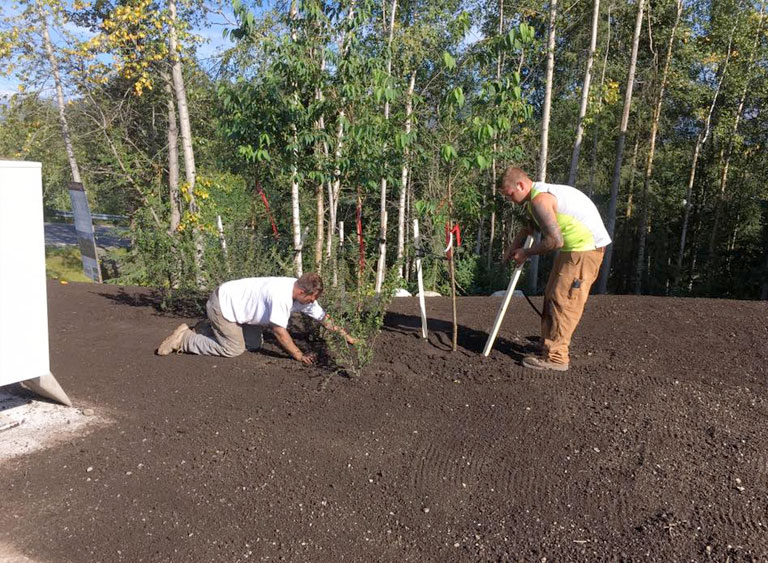
Raised beds: mounding soil or building framed boxes accelerates thawing and improves drainage—a priceless benefit in cold, wet springs.
-
Clear plastic mulch: lay transparent polyethylene on prepared beds two weeks pre-planting to trap solar heat; slit holes to plant warm-season crops like tomatoes or squash.
Spring Lawn Revival Step by Step
Winter can leave snow mold patches, compacted soil, and soggy thatch. Follow this sequence once the snow vanishes:
-
Evaluate winter damage: walk the yard, flag dead spots, note low areas, and document with photos for later comparison.
-
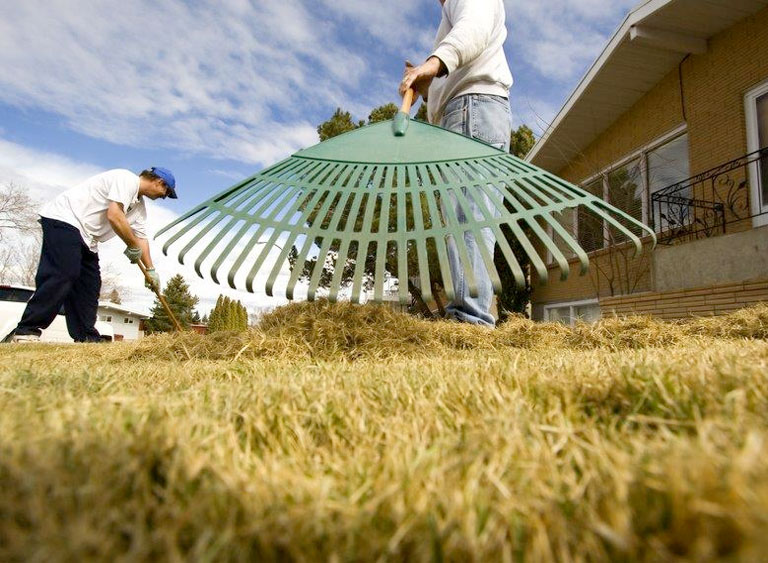
Clean up: rake leaves, twigs, and matted grass; remove thatch thicker than half an inch to improve air flow.
-
Aerate: core-aeration relieves compaction and lets water and nutrients reach roots; early spring, as lawns green up, is prime time.
-
Overseed: choose northern grass mixes, broadcast evenly, and lightly rake for seed-to-soil contact.
-
Water delicately: mist newly seeded areas two to three times daily until germination, then shift to deeper, less frequent watering once blades reach one inch.
-
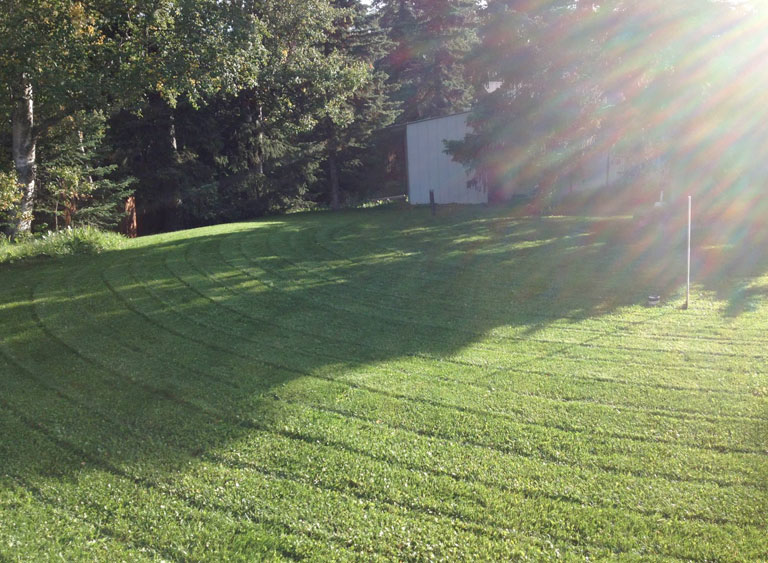
First mow: wait until grass hits three inches, mow down to two, and keep blades sharp to avoid tearing tender shoots.
Water Wisdom in the Far North
Snowmelt saturates soils in April, but by June many yards dry fast in constant sun. Stick to “infrequent but deep” irrigation after establishment—one to three soakings per week depending on rainfall—and aim sprinklers for early morning to curb evaporation. Stressed lawns invite weeds and chinch bugs; hydrated turf resists both.
Fertilize, Fertilize, Fertilize—Intelligently
Fertilizer isn’t a magic wand; it’s targeted nutrition. After your soil test:
-
Starter lawns: incorporate a high-phosphorus starter fertilizer before seeding (per label rates), then top-dress with balanced 16-16-16 once blades hit two inches.
-
Established turf: split applications—one in late spring, one midsummer, one early fall—to avoid flushes of weak, succulent growth that attract pests.
-
Vegetable beds: side-dress heavy feeders (cabbage, corn, squash) every four weeks with a compost-based blend or liquid fish emulsion for steady growth.
Weed and Pest Management Without Chemicals
New lawns and gardens often sprout volunteer weed seeds. Skip herbicides during lawn germination; mowing alone removes most interlopers. In beds, use:
-
Landscape fabric or straw mulch to smother annual weeds.
-
Hand weeding after rain, when roots pull easily.
-
Row covers over brassicas to bar cabbage moths while boosting warmth.
Wildlife is a separate battle: moose footprints can crater tender turf. Lightly top-dress depressions with soil and reseed once germination is complete; deer browsing may require eight-foot fencing or repellents.
Shop Smart: Your Local Nursery Advantage
Dimond Greenhouses, Tryck Nursery, Far North Garden Supply, and dozens of smaller operations nurture plants in conditions similar to your yard. When you visit:
-
Ask for varieties field-tested in your region.
-
Check root systems—transplants should be white-rooted and not pot-bound.
-
Inquire about acclimatization; greenhouse plants forced in high heat may struggle outside, so choose stock hardened to cooler temps.
Establishing a relationship with nursery staff becomes an ongoing source of troubleshooting and insider tips.
Design Ideas: Marrying Lawn and Garden
A vibrant yard isn’t just grass. Integrate beds and borders that frame the lawn, conserve space, and add biodiversity:
-
Mixed perennial islands—lupine, columbine, fireweed, and native roses—provide continuous bloom and forage for pollinators.
-
Edible edging—low blueberries or alpine strawberries—doubles as ornament and snack station.
-
Boulder features native to glacial moraine soils blend hardscape with flora while retaining heat for adjacent plants.
Sustainable Practices for Long-Term Success
-
Compost on-site: convert kitchen scraps and grass clippings into humus that feeds beds and reduces landfill waste.
-
Capture rainwater: barrels on downspouts supply chlorine-free irrigation during dry spells.
-
Rotate crops: shuffling vegetable families blocks disease cycles and balances nutrient draw.
When to Call the Pros
Even seasoned gardeners occasionally need heavy equipment or specialized expertise:
-
Full-scale excavation for drainage correction.
-
Hydroseeding large areas quickly.
-
Retaining walls or stonework that require structural engineering.
-
Year-round property management while you fish, hunt, or travel.
Local companies like Be Happy Property Services field crews familiar with Alaska’s quirks—from managing permafrost heave to repairing moose-damaged beds—so you can enjoy results without burnout.
Closing Thoughts
Spring in Alaska is a race; the thaw sounds the starting gun, and successful gardeners sprint through soil prep, seeding, and transplanting before the midnight sun takes over. By choosing hardy species, nursing seedlings indoors, amending soil thoughtfully, and following a disciplined lawn-revival routine, you will set roots that dive deep, blades that stay emerald, and blooms that keep neighbors staring until the first golden leaves of September.
Stop tiptoeing—dig in, plant smart, and watch your northern paradise flourish.
Frequently Asked Questions
1. When should I start seeds indoors for an Alaska garden?
Count back six to eight weeks from your area’s average last frost (late May for Anchorage, early June for Fairbanks). That typically means sowing indoors between mid-March and early April.
2. Which grass seed mix performs best in Alaska’s cool summers?
Fine fescue blends, often combined with perennial ryegrass, establish quickly in cold soil, stay green under 24-hour light, and require less water than Kentucky bluegrass.
3. How often should I water newly seeded lawns?
Mist lightly two to three times per day to keep the surface consistently moist until most seedlings reach one inch. Then shift to deeper waterings one to three times per week, depending on rainfall.
4. What’s the easiest way to prevent moose or deer damage?
Install an eight-foot fence around high-value areas. For smaller plots, motion-activated sprinklers or scent-based repellents can deter browsing, but fencing remains the surest solution.
5. My soil is gravelly and acidic—how do I improve it?
Till in two to three inches of compost, apply agricultural lime if pH is below 6.0, and use a balanced granular fertilizer at label rates. Raised beds lined with weed cloth and filled with a loamy mix can bypass poor native soil altogether.

Jacob Bishop is the founder and CEO of Be Happy Property Services. With a strong background in property management and customer service, Jacob has dedicated himself to creating a company that prioritizes client satisfaction and seamless property experiences. His extensive knowledge and hands-on approach have earned him a reputation for excellence in the industry. Jacob’s passion for real estate and commitment to happy living spaces make him a trusted leader in property services.