
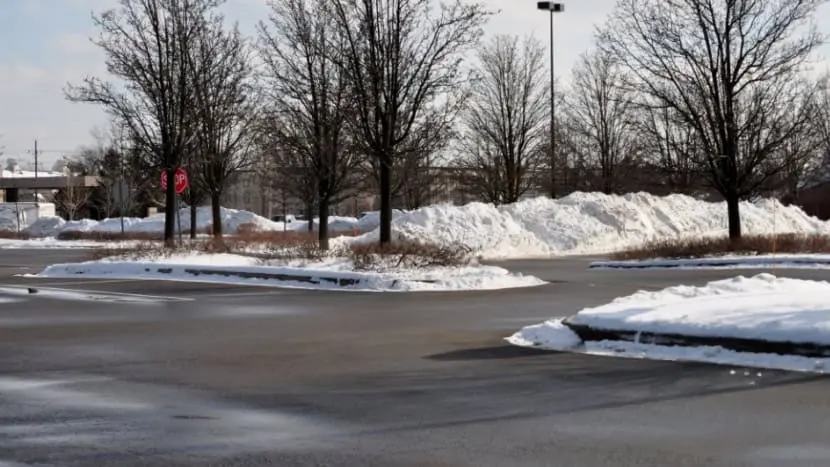
Winter brings both beauty and challenges, especially for commercial property owners. Snow and ice accumulation can lead to hazardous conditions, property damage, and costly disruptions to business operations. Investing in a professional snow removal contract ensures your property remains safe, accessible, and compliant with local regulations throughout the season. This comprehensive guide will help you navigate the different contract types, key considerations, and best practices for selecting the ideal snow removal solution for your commercial property.
Understanding the Importance of a Snow Removal Contract
A well-structured snow removal contract is more than just a service agreement—it’s a vital part of your property’s risk management and operational planning. With a contract in place, you gain:
-
Consistent, timely snow clearing tailored to your property’s needs
-
Reduced liability from slips, falls, and property damage
-
Predictable costs and minimized disruptions to business operations
-
Clear expectations and accountability for both parties
Whether you manage a retail center, office complex, or industrial site, a reliable snow removal contract is essential for maintaining safety and efficiency during the winter months.
Types of Snow Removal Contracts for Commercial Properties
There are several contract options available, each with distinct benefits and ideal use cases. Understanding these differences will help you select the right fit for your property.
1. Per-Push (Pay-Per-Event) Contracts
-
How It Works: You pay for each individual snow removal event, typically triggered when snow reaches a specified depth (e.g., 2 inches). The contractor clears the snow and bills you per service.
-
Best For: Properties in regions with unpredictable or light snowfall, or businesses seeking flexible, pay-as-you-go service.
-
Pros:
-
Only pay when service is needed
-
No upfront costs
-
Ideal for mild winters
-
-
Cons:
-
Costs can escalate during heavy snowfall seasons
-
Budgeting can be challenging due to unpredictable weather
-
2. Seasonal (Flat-Rate) Contracts
-
How It Works: Pay a fixed fee for the entire winter season, covering all services regardless of the number of storms.
-
Best For: Properties in areas with consistent or heavy snowfall, or businesses wanting predictable costs and comprehensive coverage.
-
Pros:
-
Fixed, predictable budgeting
-
Unlimited service calls during the season
-
Peace of mind with consistent service
-
-
Cons:
-
Higher upfront cost
-
No refunds for mild winters
-
3. Full-Service (All-Inclusive) Contracts
-
How It Works: Comprehensive coverage including plowing, shoveling, de-icing, salting, and ongoing monitoring. The contractor may offer 24/7 response and tailored solutions.
-
Best For: Large properties, high-traffic areas, or businesses requiring maximum safety and accessibility.
-
Pros:
-
Highest level of service and reliability
-
Customizable solutions for unique property needs
-
Proactive monitoring and rapid response
-
-
Cons:
-
Most expensive option
-
May be unnecessary for smaller or low-traffic properties
-
Snow Removal Contract Comparison Table
| Contract Type | Payment Model | Best For | Pros | Cons |
|---|---|---|---|---|
| Per-Push | Pay per event | Unpredictable snowfall | Flexible, pay-as-you-go, low upfront | Unpredictable costs, budgeting issues |
| Seasonal | Fixed seasonal fee | Consistent/heavy snowfall | Predictable costs, unlimited service | Higher upfront, no refunds for mild winters |
| Full-Service | Comprehensive fee | Large/high-traffic properties | Maximum coverage, tailored service | Expensive, may be overkill for small properties |
Key Elements to Include in Your Snow Removal Contract
To ensure your contract meets your property’s needs and protects your interests, include these essential components:
-
Parties Involved: Clearly identify both the contractor and client, including contact details and business information.
-
Scope of Services: Specify which areas will be cleared (parking lots, sidewalks, entrances, loading zones, etc.) and the types of services provided (plowing, shoveling, salting, de-icing, emergency response).
-
Snow Event Definition: Define what triggers a service call (e.g., 2 inches of snow) and set response time expectations.
-
Property Description: Detail the property boundaries and any special instructions, such as priority areas or surfaces requiring extra care.
-
Payment Terms: Outline pricing, payment schedules, and any additional fees for emergency services or special requests.
-
Insurance and Liability: Include clauses covering insurance coverage and liability in the event of property damage or accidents.
-
Duration and Termination: Specify the contract start and end dates, renewal options, and termination conditions.
Factors to Consider When Choosing a Snow Removal Contractor
Selecting the right contractor is as important as choosing the right contract type. Consider these factors:
-
Experience and Reputation: Look for contractors with proven experience in commercial snow removal and positive customer reviews.
-
Licensing and Insurance: Ensure the contractor is properly licensed and carries adequate insurance.
-
Equipment and Maintenance: Inquire about the types and condition of their equipment, as these factors affect their ability to respond quickly and effectively.
-
References and Reviews: Request references and read customer feedback to assess reliability and service quality.
-
Response Time: Confirm their ability to respond promptly during severe weather events.
-
Communication: Choose a contractor who communicates proactively and keeps you informed about service status and any issues.
With Be Happy Property Services, you can rely on professional and tailored solutions to manage winter challenges effectively. Our expert team ensures your property remains operational and hazard-free, providing peace of mind throughout the season. Trust Be Happy Property Services to deliver reliable services your business needs for uninterrupted functionality.
Frequently Asked Questions
1. How can I ensure my snow removal contract is tailored to my property’s unique needs?
A tailored contract should reflect your property’s specific characteristics, such as size, layout, foot traffic, and operational hours. Ask the contractor if they conduct a thorough site assessment and customize their approach accordingly. For example, do they plan for clearing not just parking lots but also sidewalks, steps, and hard-to-reach areas? Do they accommodate your business hours or holiday operations? A contract that specifies these details and includes provisions for equipment readiness and timely deployment shows a commitment to your property’s unique needs.
2. What hidden costs or extra charges should I be aware of before signing a snow removal contract?
Many contracts include base pricing but add fees for additional snowfall, special equipment use, or services such as hauling away excessive snow piles or hand-chipping thick ice. It’s essential to review the contract’s fine print for such clauses to avoid surprises. Ask about trigger depths for service, hourly rates for above-and-beyond tasks, and whether salt or de-icing materials are included or extra. Transparency about pricing variations helps you budget accurately and assess the contract’s true value.
3. How important is the contractor’s equipment fleet and maintenance?
The quality, quantity, and maintenance of a contractor’s equipment fleet directly impact their ability to respond promptly and effectively. Inquire about the types of equipment they use—ranging from large plows to sidewalk blowers and snow haulers—and whether they own or rent these machines. Also, ask about the age and upkeep of their vehicles to ensure reliability during critical snow events. A well-equipped and maintained fleet reduces the risk of service delays and incomplete snow removal.
4. What role do liability and insurance play in choosing a snow removal contractor, and why should I insist on clear contract terms here?
Snow removal involves risks, including property damage and personal injury. A contract should clearly define who is responsible for incidents during service and confirm that the contractor carries adequate liability insurance and complies with workers’ compensation laws. Understanding these terms protects you financially and legally. Additionally, inquire about the use of ice-melting chemicals and their potential effects on your property, as contracts often address these concerns separately.
5. How can I evaluate the quality and reliability of a snow removal contractor beyond just their price?
Beyond cost, assess the contractor’s reputation, experience, and communication practices. Look for companies with proven track records, positive reviews, and references from similar commercial properties. Ask about their snow removal process, including how they monitor weather forecasts, their response times during storms, and their communication plans for keeping you informed. A contractor who provides detailed service explanations and maintains open, proactive communication is more likely to deliver consistent, high-quality results.

Jacob Bishop is the founder and CEO of Be Happy Property Services. With a strong background in property management and customer service, Jacob has dedicated himself to creating a company that prioritizes client satisfaction and seamless property experiences. His extensive knowledge and hands-on approach have earned him a reputation for excellence in the industry. Jacob’s passion for real estate and commitment to happy living spaces make him a trusted leader in property services.