
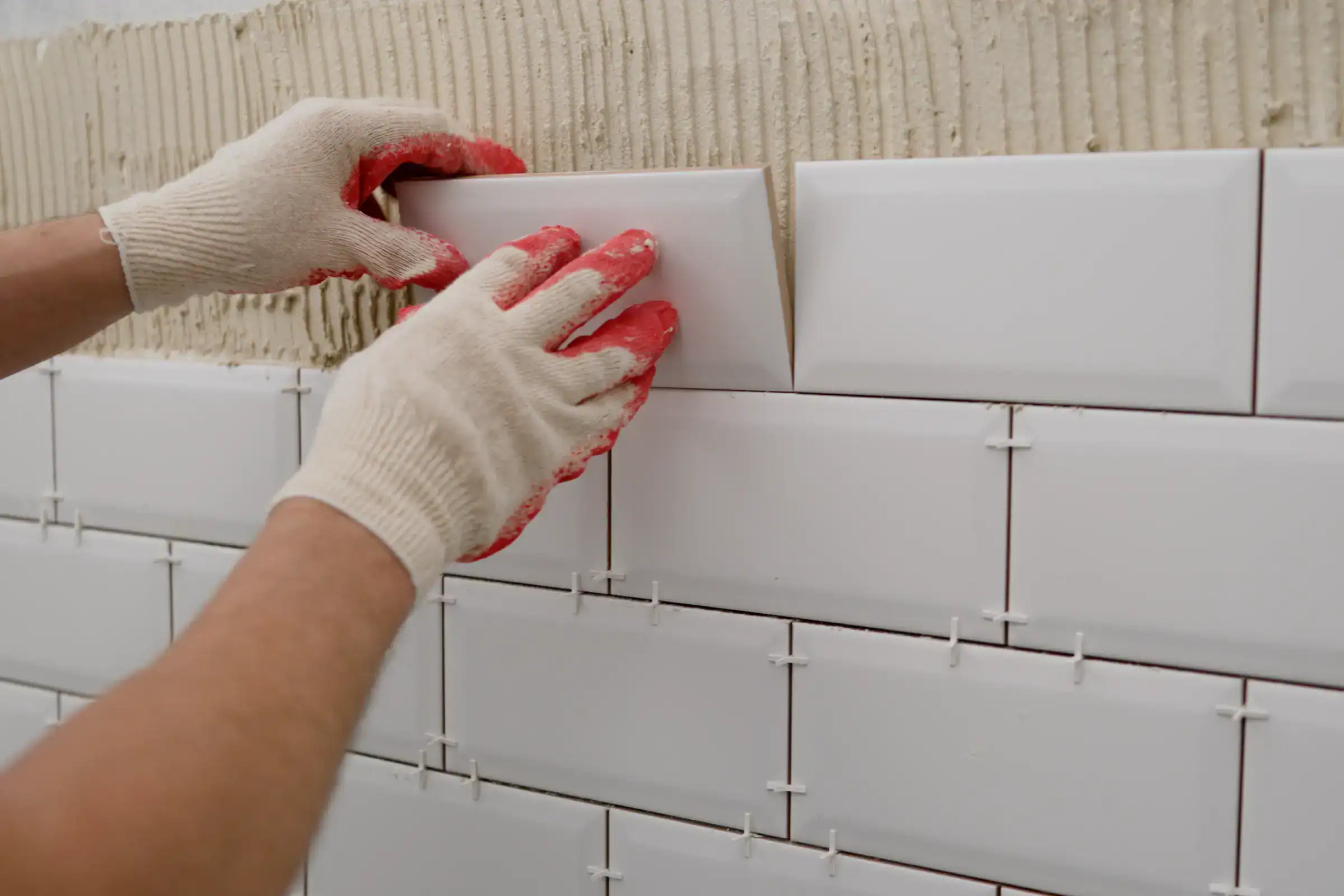
Bathroom tile does more than improve how the room looks.
It also helps protect walls, floors, and other surfaces from daily moisture. When tile starts cracking, shifting, or coming loose, the problem is not always just cosmetic. In many bathrooms, damaged tile is an early sign that water, movement, wear, or poor adhesion is starting to affect the surface underneath.
That is why homeowners should not ignore even a small tile issue.
One cracked tile may not seem urgent at first. A single loose floor tile may feel like something you can deal with later. But bathrooms deal with water, humidity, steam, and frequent use. Once the tile starts failing, the damage can spread faster than many people expect.
This is where a handyman for bathroom tile repair can be the right choice.
Not every tile problem requires a full remodel. In many cases, a skilled repair can prevent the issue from worsening, improve the space’s appearance, and help protect the bathroom from further damage. The key is knowing when the problem is minor, when it is getting more serious, and when it is time to stop putting it off.
This guide explains when to call a handyman for bathroom tile repair for cracked or loose tiles, what causes tile damage, what warning signs to watch for, and why early repair often saves time, stress, and money.
Why does bathroom tile start cracking or coming loose
Tile usually does not fail for no reason.
When bathroom tile cracks or loosens, there is often an underlying issue that needs attention. Sometimes the cause is simple wear over time. Other times, the damage points to moisture problems, shifting surfaces, or poor installation from the start.
One common cause is movement underneath the tile.
If the surface below the tile shifts even slightly, the tile can crack or loosen. This can happen on floors, around tubs, or on walls where the backing is no longer holding as firmly as it should.
Moisture is another major factor.
Bathrooms are subject to repeated exposure to water and steam. If water gets behind the tile through worn grout lines, gaps, or failed seal areas, it can weaken the bond holding the tile in place. Over time, that can lead to loose tiles, cracked grout, soft spots, and surrounding damage.
In some homes, age is simply part of the issue.
Older tile surfaces may start to wear down after years of use. Adhesive can weaken. Grout can crack. Repeated cleaning, foot traffic, and changing moisture levels can slowly wear the surface down until the tile begins to show visible signs of failure.
Why small tile damage should not be ignored
It is easy to delay a tile repair.
A homeowner may look at one chipped corner or one slightly loose tile and assume it can wait. The problem is that bathrooms are one of the worst places to leave surface damage untreated.
Even a small opening can let in moisture.
Once water gets below the tile, the problem often stops being just about the visible tile itself. It can start affecting the material underneath, which may lead to a larger repair later.
A loose tile can also create more movement around nearby tiles.
That means one problem tile can slowly turn into several. Cracked grout lines can widen. Adjacent tiles can start shifting. The area may become harder to clean and more likely to trap moisture or dirt.
Floor tile damage also creates a safety issue.
A loose or raised tile can become a tripping point. Sharp, cracked edges can become a hazard, too. In a bathroom, where surfaces are already more slippery than other parts of the home, that is not something homeowners should leave unresolved for long.
Signs it is time to call a bathroom tile repair handyman
Not every bathroom tile issue requires major immediate work.
But there are several clear signs it is time to bring in a bathroom tile repair handyman, rather than hoping the problem stays small.
The tile moves when touched
Tile should feel solid.
If a tile rocks, shifts, lifts, or sounds hollow when tapped, there is a good chance the bond underneath has weakened. That means the tile is no longer secure the way it should be.
You see cracks spreading across one or more tiles
A single surface crack may start small.
But when cracks widen, branch out, or show up in multiple nearby tiles, the issue may be more than surface-level. Movement, moisture, or support problems may be involved.
Grout keeps cracking in the same area
Grout failure is often treated like a minor cosmetic issue.
But when grout repeatedly cracks around the same tiles, that can point to movement underneath. Replacing grout without dealing with the real cause usually does not solve the problem for long.
The tile sounds hollow
A hollow-sounding tile often indicates the bond beneath is failing or incomplete.
That does not always mean the tile will come loose right away, but it is usually a warning sign that the area needs attention.
Water may be getting behind the tile
If the tile damage is near a shower, tub, sink, or splash-prone area, the risk is higher.
Once water gets beneath the surface, repair becomes more urgent because the damage may no longer be visible on the outside.
The damage is getting worse over time
That is often the biggest sign of all.
If the tile looked minor a month ago and now looks worse, feels looser, or has spread, the repair is no longer something to keep delaying.
Common bathroom areas where tile problems show up
Bathroom tile damage can happen almost anywhere.
Still, some spots tend to show problems sooner because of regular moisture or repeated stress.
Shower walls
These areas deal with water every day.
If grout lines open up or tiles start loosening here, water can move behind the tile more easily than many homeowners realize.
Around the tub
Tile around tubs often gets splashed, steamed, and moved where different surfaces meet.
If seal areas wear down, the tile around the tub can start showing signs of trouble.
Bathroom floors
Floor tiles are constantly under pressure from foot traffic.
If the surface beneath shifts or moisture seeps beneath the tile, cracks and loose spots can appear.
Behind the sink
This area may not look as exposed as a shower wall, but regular splashing and daily use still wear down grout and surface protection over time.
Around the toilet area
Moisture, cleaning products, and floor movement can all affect tile in this part of the bathroom.
If a tile near the toilet feels loose, it should be checked sooner rather than later.
What a bathroom tile repair handyman can usually handle
A bathroom tile repair handyman is often a good fit for focused repair work.
That is especially true when the issue is limited to a specific area and the goal is to restore function and appearance without turning the job into a full renovation.
In many cases, a handyman can:
- Replace cracked tiles
- Re-secure loose tiles
- Remove damaged grout in problem areas
- Re-grout tile sections
- Repair minor backing issues tied to the damaged spot
- Re-caulk edges where needed
- Address small finish problems around the repair area
- Help spot whether the issue appears surface-level or points to a bigger problem
This kind of repair work is often ideal when the bathroom does not need to be fully redone, but certain tile areas clearly need attention.
When a bathroom tile problem may be bigger than a basic repair
Not every tile issue stays within the range of a simple repair.
That is why it helps to recognize the signs of a larger problem.
If a wide section of tile is loose, the wall or floor beneath feels soft, or there are visible signs of ongoing moisture damage, the repair may go beyond replacing a few tiles. Staining, swelling, a musty odor, repeated grout failure, or a larger pattern of movement can all suggest that the issue beneath the tile requires more work than expected.
This does not mean homeowners should panic.
It just means the tile is acting like a warning sign.
A bathroom tile repair handyman can often help identify when the repair seems localized and when the condition of the area suggests something more involved should be addressed.
Why homeowners often wait too long
Bathroom tile problems are easy to postpone.
They do not always stop the room from being usable. The shower may still work. The floor may still seem mostly fine. The crack may not look dramatic at first.
That is exactly why these problems often get ignored.
Homeowners tend to delay repairs that feel small, especially when the bathroom still looks mostly normal from a distance. But tile damage in a wet area is not the same as a scuffed wall or loose baseboard somewhere else in the house.
Moisture changes the timeline.
A problem that sits quietly for weeks or months can slowly spread below the surface. By the time the damage is obvious, the repair may already be larger than necessary.
Repair versus replacement: what homeowners should think about
Many people assume damaged bathroom tile means everything has to be replaced.
That is not always true.
If the issue is limited to a few cracked or loose tiles, a repair may be the most practical solution. A focused repair can improve the bathroom’s appearance, restore stability, and help prevent further damage without the cost and disruption of replacing the entire tiled area.
The main question is whether the problem is isolated.
If only a small section is affected and the surrounding area is still sound, repair often makes sense. If the tile failure is widespread, recurring, or tied to a larger moisture issue, replacement may be the better long-term decision.
That is one reason homeowners often benefit from having a bathroom tile repair handyman take a look before assuming the whole room needs to be redone.
What happens during a typical tile repair visit
Homeowners often feel more comfortable when they know what to expect.
A handyman who repairs bathroom tiles will usually begin by closely inspecting the damaged area. The goal is to determine whether the issue is limited to the tile itself or whether the area underneath is involved as well.
The condition of the surrounding grout, nearby tiles, edge transitions, and moisture exposure all matter.
From there, the damaged tile or loose section can be carefully removed. The surface underneath may need cleaning, prep, or minor repair before replacement tile is set. If grout or caulk has failed around the area, that may also be addressed as part of the repair.
The exact steps depend on the location and extent of the damage.
But in general, the process is less about rushing to swap out one piece and more about ensuring the surrounding area is stable enough to support the repair.
Why matching tiles can be part of the challenge
One thing homeowners do not always expect is that matching tile can be difficult.
If the bathroom tile is older, the exact style, shade, or size may be hard to find. That does not always stop the repair, but it can affect how the finished result looks.
This is another reason to act early when possible.
When the problem is limited to one or two tiles, there may be more flexibility in how the repair is handled. If the damage spreads and more tile needs replacement later, matching the area can become more difficult.
Some homeowners still have leftover tile from the original project.
If you do, it is worth checking the garage, basement, or storage area before starting the repair.
The value of early bathroom tile repair
Timing matters with bathroom repairs.
A quick response to loose or cracked tile often keeps the job smaller and more manageable. It can also help protect nearby surfaces that have not yet been affected.
Early repair may help homeowners avoid:
- More tile coming loose
- Moisture reaching deeper surfaces
- Repeated grout failure
- Worsening appearance
- Harder matching issues later
- A larger repair bill down the line
The longer the damaged tile is left in place, the harder it becomes to contain the problem to a single small area.
Why a handyman can be the practical choice
Homeowners do not always need a large renovation team for a tile issue.
When the problem is cracked or loose bathroom tile, a handyman can often be a practical middle ground between ignoring the issue and overcomplicating it.
That is especially true when the bathroom needs repair, not a full redesign.
A bathroom tile repair handyman can help restore problem areas, improve how the tile feels and looks, and deal with the repair in a way that fits everyday home maintenance rather than turning the issue into a full construction project.
For homeowners, that often means less disruption and a more direct path to getting the bathroom back in shape.
How to know it is time to stop waiting
Sometimes the hardest part is simply deciding that the repair needs to happen now.
A good rule is this: if you can see the damage, feel movement, or suspect moisture may be getting in, it is time to stop watching and start addressing it.
Waiting rarely improves tile problems.
Cracks do not close on their own. Loose tiles do not reattach themselves. Failed grout does not become stronger with more time. In a bathroom, delays usually mean more wear, greater exposure, and a higher risk that the repair will grow.
Knowing when to call a handyman for bathroom tile repair comes down to recognizing that tile damage is not always just about appearance.
Cracked or loose bathroom tile can point to wear, moisture exposure, shifting surfaces, or failing adhesion. In many cases, the issue starts small and becomes more serious only because it is left alone too long.
That is why early action matters.
If the tile moves, sounds hollow, shows spreading cracks, or sits in an area where water is likely getting behind the surface, it is a good time to have the problem addressed. A focused repair can often restore the area, improve stability, and help prevent a much larger bathroom repair later.
For homeowners, the goal is not to panic over every crack.
It is important to understand when a bathroom tile problem warrants attention rather than waiting.
FAQs
1. Can a bathroom tile repair handyman fix just one loose tile?
Yes, a handyman specializing in bathroom tile repair can often fix a single loose tile or a small damaged section if the surrounding area is still in good condition.
2. Is cracked bathroom tile only a cosmetic problem?
Not always. In bathrooms, cracked tile can allow moisture to reach the surface below, which may lead to more extensive repair issues over time.
3. What causes bathroom tile to come loose?
Loose bathroom tile can occur due to moisture, weakened adhesive, surface movement, aging materials, or wear in the area beneath the tile.
4. Should I wait if the tile damage seems minor?
It is usually better to address it early. Small tile problems in bathrooms can spread and become more expensive if moisture starts getting behind the surface.
5. How do I know if my tile issue is too big for a simple repair?
If many tiles are loose, the area underneath feels soft, damage keeps recurring, or there are clear signs of moisture problems, the repair may be larger than a simple tile fix.

Jacob Bishop is the founder and CEO of Be Happy Property Services. With a strong background in property management and customer service, Jacob has dedicated himself to creating a company that prioritizes client satisfaction and seamless property experiences. His extensive knowledge and hands-on approach have earned him a reputation for excellence in the industry. Jacob’s passion for real estate and commitment to happy living spaces make him a trusted leader in property services.